Trump's $5,000 Dividend Promise Faces Bipartisan Scrutiny on Election Day
The president's pledge to pay adults if Republicans keep Congress is legally sound but fiscally complex, according to experts.
By Giulia Donovan ·

President Donald Trump stands at the center of a fiscal debate on Election Day, having promised a $5,000 payment to every American adult if the Republican Party retains control of both chambers of Congress. The pledge, labeled the Trump Dividend, was delivered during the Republican Midterm Convention in Dallas last week. The administration argues the payment is a reward for voters who support the party’s economic record, a strategy intended to boost enthusiasm among key voter groups in the final stretch of the campaign.
The proposal is not without legal precedent, but it is far from a guaranteed check. Election law professor Rick Hasen of the University of California, Los Angeles, noted that the promise is likely protected by the First Amendment as a campaign promise. He compared it to historical pledges made by candidates regarding taxes or social programs. Despite the legal viability, the mechanics of delivering such a large sum remain unclear, with the White House providing limited details on the distribution timeline or the specific eligibility criteria for citizens residing abroad.
Fiscal experts have raised significant concerns about the source of the funds. The payment could cost the federal treasury more than $1 trillion, a figure that would place additional strain on the nation's nearly $1.8 trillion annual budget deficit. Vice President JD Vance suggested that tariff revenue could help fund the initiative, but the Tax Foundation estimated that new tariffs are projected to bring in only about $208 billion in 2026. Erica York, a senior economist at the Tax Foundation, stated that the cost of the checks would spend almost all the revenue that the new tariffs are projected to bring in over a decade.
House Speaker Mike Johnson, R-Louisiana, addressed the logistics of the plan on Sunday, confirming that congressional approval is required. He stated that while the idea is creative, the president would need Congress to act to make it happen. Johnson pledged to work through the proposal with the small Republican majority, emphasizing a commitment to finding consensus on the issue. The speaker appeared on multiple news programs to reassure voters that the administration is serious about implementing the president’s big ideas, despite the slim margins in the House.
Criticism of the plan has emerged from both sides of the aisle. Republican Texas Congressman Chip Roy questioned the logic of the payment, writing on social media that dependency is evil and soul-sucking in all its forms. His comments reflect a faction within the party that worries about long-term fiscal discipline. Democratic leaders have framed the dividend as a vote-buying tactic, arguing that the administration is using public funds to influence the outcome of the election rather than addressing the root causes of the high prices that voters face daily.
The economic backdrop for this promise is mixed. The Associated Press reported that about 35 percent of U.S. adults approve of Trump’s job performance, with only 25 percent approving of his handling of the economy. Most Americans blame the president for high prices, a sentiment that has been amplified by rising gasoline prices linked to the war with Iran. Trump has argued that the strong economy makes the payment easy to handle, claiming the country is taking in so much money that it can easily afford the dividend without significant impact.
PolitiFact has analyzed the feasibility of the $5,000 dividend and found that it is far from certain. The fact-checking organization noted that the administration has announced no formal plan for the checks, and fiscal experts cast doubt on the proposal during a time of existing economic challenges. The payment is one of three recent promises of government payouts, including a $90 payment for certain Medicare enrollees and a $500 refund for some Affordable Care Act subscribers, but it is the largest and most complex of the three.
The timing of the promise has intensified the focus on the midterms. With all 435 House seats and 35 Senate seats up for grabs, the election is seen as a referendum on the president’s second term. Republicans are fighting to hold the Senate and maintain their House majority, while Democrats are aiming for a net gain of three House seats and four Senate seats to achieve control. The outcome will determine the balance of power in Washington and the ability of the administration to pass its legislative agenda, including the proposed dividend.
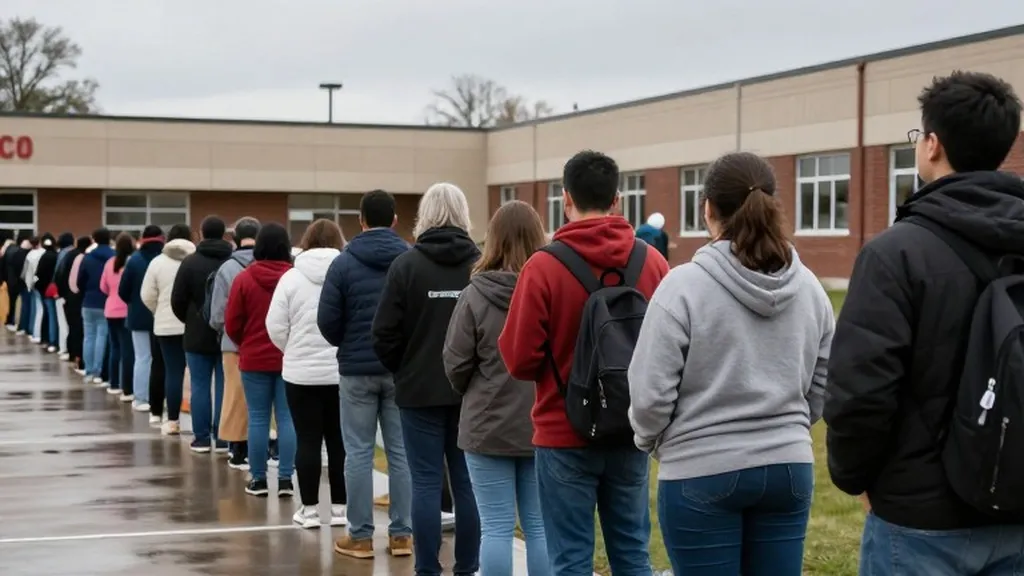
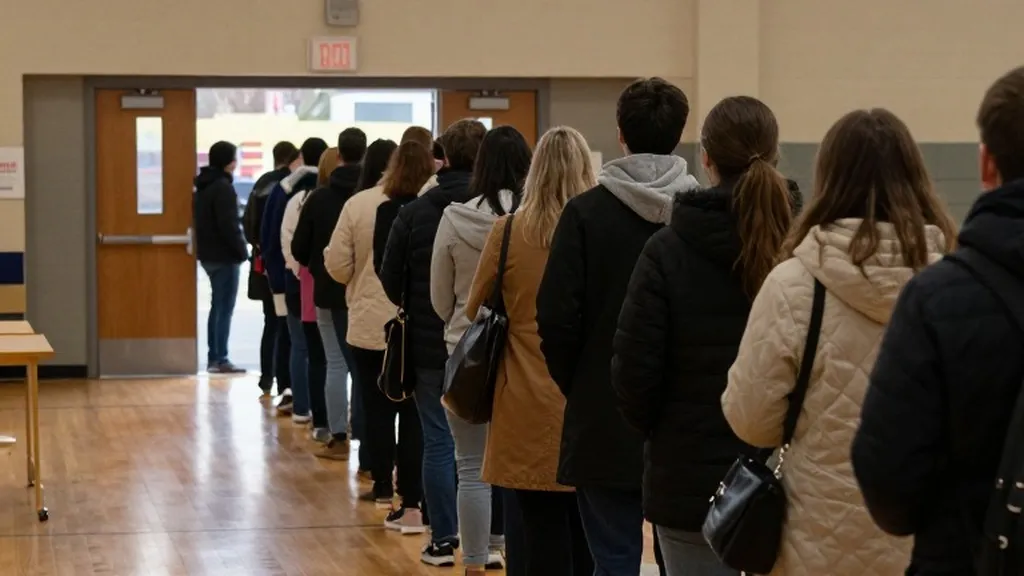
As voters head to the polls, the $5,000 dividend remains a prominent talking point in debates and on social media. The promise highlights the high stakes of the election, where every vote could determine whether the Republican Party has the legislative power to turn the president’s financial pledges into reality. The coming days will reveal whether the American public is willing to support the party that has promised them a significant financial boost, or if they will prioritize other issues in the race for congressional control.