Governor races split 18 to 18 as voters weigh cost of living
With 19 open seats and nine battleground states, the 2026 midterm decides who holds the majority in governor's offices after Republicans have dominated since 2010.
By Giulia Donovan ·
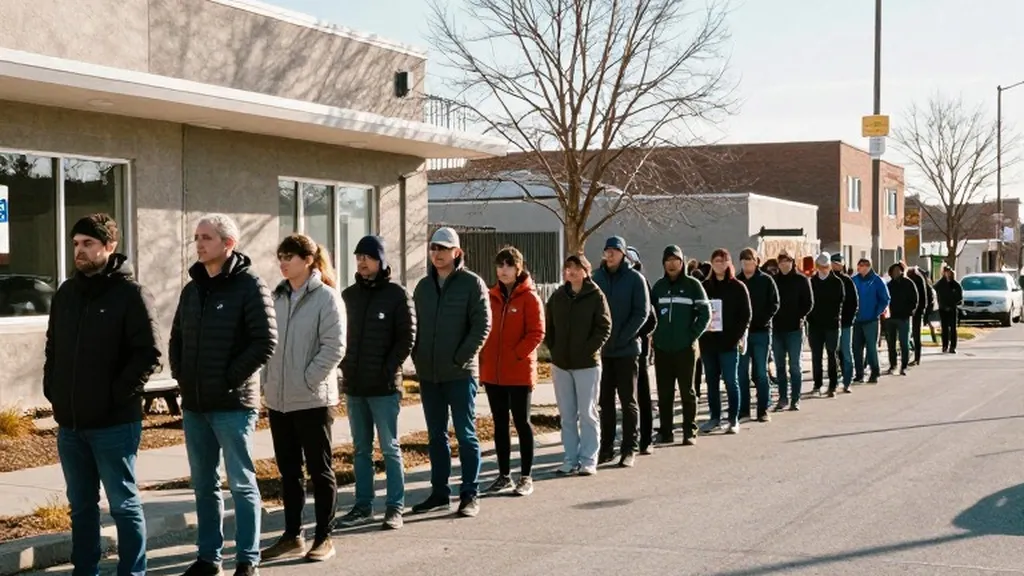
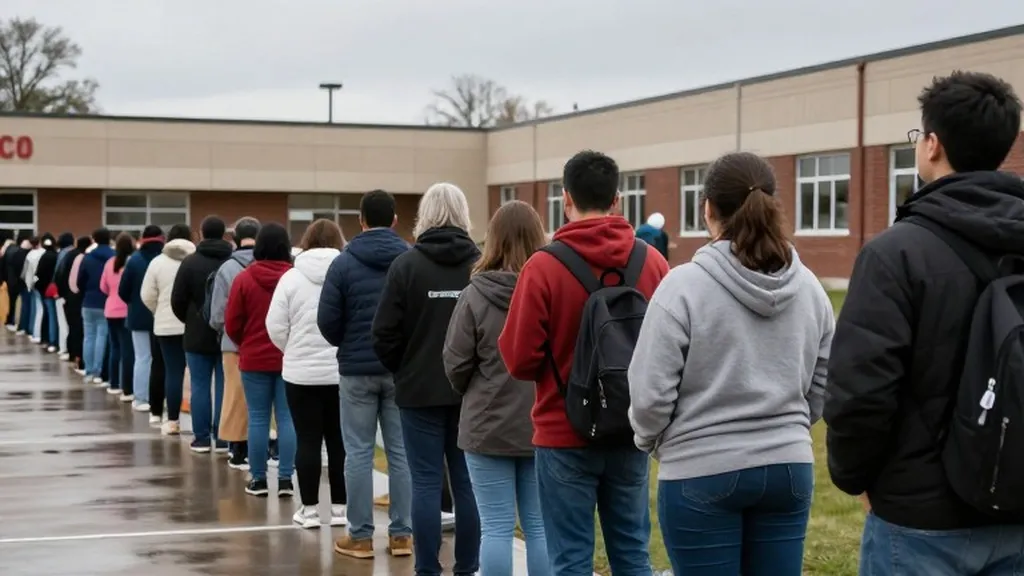
Election Day in 2026 brings a critical test for the nation's executive branches, as voters in 36 states head to the polls to decide the next generation of state leadership. The current landscape is perfectly balanced, with Republicans holding 18 governor's offices and Democrats holding 18 among the races on today's ballot. This even split sets the stage for a decisive outcome, as the party that gains control of these offices will wield significant influence over state budgets, education policy, and infrastructure projects for the next four years.
The stakes for Democrats are particularly high because they have not held a nationwide majority of governorships since 2010. To achieve a national majority, Democratic candidates need a net gain of just two governorships from the current 18 to 18 split. This requirement makes every contest vital, especially in the nine battleground states identified by Ballotpedia, which include Alaska, Arizona, Georgia, Iowa, Kansas, Michigan, Nevada, Ohio, and Wisconsin. In these states, the margin of victory could determine which party controls the majority of state governments heading into the final two years of President Donald Trump's second term.
A defining feature of this cycle is the number of open seats, with 19 of the 36 races featuring no incumbent on the ballot. Ballotpedia notes that 15 governors are term limited, meaning they are constitutionally barred from seeking another term. In addition, three sitting governors chose not to run, including Iowa's Kim Reynolds, Minnesota's Tim Walz, and Wisconsin's Tony Evers. Rhode Island's Daniel McKee is the fourth open seat, having lost his primary challenge. This high turnover rate allows new faces to emerge and offers voters a chance to break from established political patterns.
Democrats are defending five governorships in states that Donald Trump won in the 2024 presidential election. These states are Arizona, where Katie Hobbs is running for re-election; Kansas; Michigan; Pennsylvania, where Josh Shapiro seeks another term; and Wisconsin. The challenge for these incumbents is to maintain their mandates in states that voted for the opposing party's presidential candidate. Conversely, Republicans are defending two governorships in states that Kamala Harris won in 2024, specifically New Hampshire and Vermont. Kelly Ayotte and Phil Scott, respectively, face the task of holding their seats in these lean Democratic territories.
The election is being viewed as a referendum on the cost of living and the administration's handling of economic issues. Polling from AP-NORC indicates that only 25% of U.S. Adults approve of Trump's handling of the economy, while about 7 in 10 say the country is heading in the wrong direction. Voters in the nine battleground governor races are likely weighing these national sentiments against local economic conditions. In Georgia, former Atlanta Mayor Keisha Lance Bottoms faces Republican health care executive Rick Jackson in a race to succeed Brian Kemp.
In Ohio, the governor's race features Republican Vivek Ramaswamy against Democrat Amy Acton. The Associated Press notes that Ramaswamy's campaign faced recent backlash over an advertisement featuring Acton's estranged mother, a development that has drawn significant attention to the contest. Meanwhile, in Nevada, Republican Governor Joe Lombardo is challenging Democratic Attorney General Aaron Ford. These matchups represent the core of the Democratic effort to flip control of the governor's offices and establish a new majority in state capitols.
Republican candidates have the advantage of a significant financial edge in the overall election. The Associated Press analysis of AdImpact data shows that 88.1% of Republican general election TV ad spending went to states and districts that Trump won in 2024. This includes more than $850 million spent in areas where he won by 10 points or more. While Democrats outraised their opponents at the candidate level, the broader party spending by Republican committees, aided by Trump-affiliated groups and Elon Musk, has created a substantial resource disparity that Democratic candidates must overcome in the final days of the campaign.
Redistricting has also played a role in shaping the political landscape, with six states using new congressional maps after mid-decade redistricting. These states are California, Florida, Missouri, North Carolina, Tennessee, and Texas, with Ohio also utilizing a new map. Although these maps primarily affect House and Senate races, they reflect a broader strategy by Republicans to secure long-term advantages. However, new districts in places like Florida may not vote as originally drawn, adding an element of uncertainty to the overall midterm outcome.
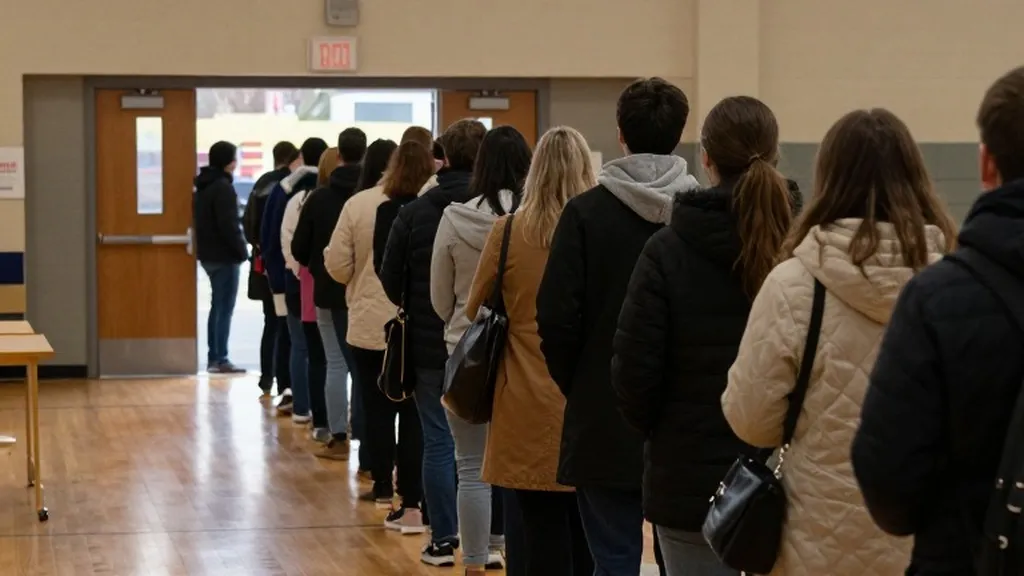
Voters across the country are casting ballots with a focus on immediate economic pressures. James Moore, a 57-year-old librarian in Raleigh, North Carolina, said that he is paying more for taxes, healthcare, and general goods. His sentiment mirrors the findings, which show most adults blame the president for high prices. In contrast, Mark Barker of Palm Beach Gardens, Florida, expressed support for the administration's performance, highlighting the deep divisions among the electorate. As polls close, the focus shifts to whether Democrats can convert their anger over the cost of living into the two net gains needed for a governor's majority.
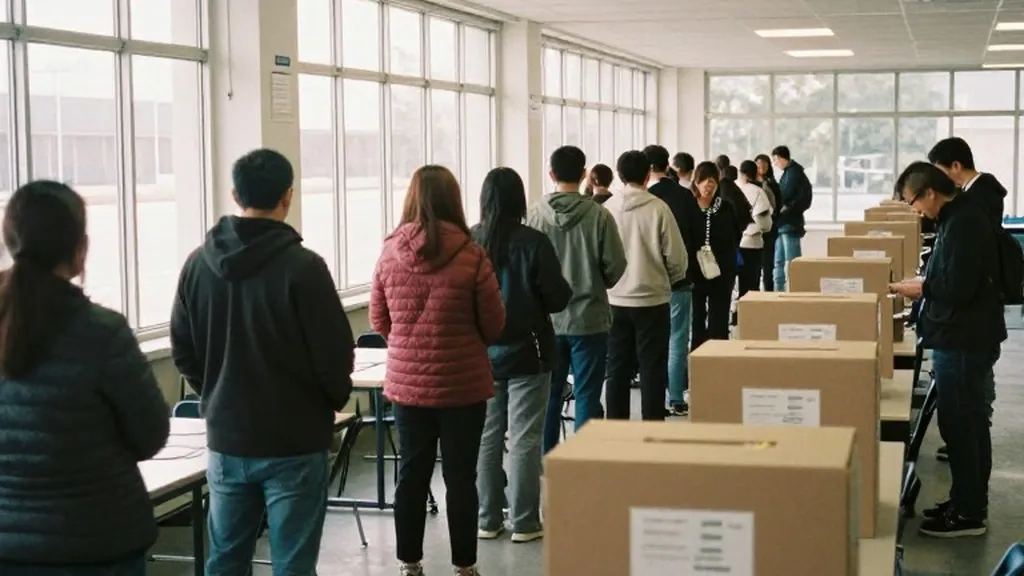
The administration of the election has also been a point of contention, with a federal judge temporarily barring the Trump administration from carrying out a plan it says would prevent noncitizen voting. Critics argue this move risks disenfranchising eligible voters and infringes on state authority. The U.S. Postal Service has added staff and special lines to ensure mail ballots are counted on time, a crucial step given that more than 57 million people had already voted as of Monday. As results begin to trickle in, the 18 to 18 split in governor's offices will be the first major indicator of which party is gaining momentum in the broader fight for congressional control.