57 Million Early Votes Set Stage for Historic Midterm Turnout
With polls open, party chairs emphasize the critical importance of ground game and voter engagement in a high-cost election cycle.
By Giulia Donovan ·
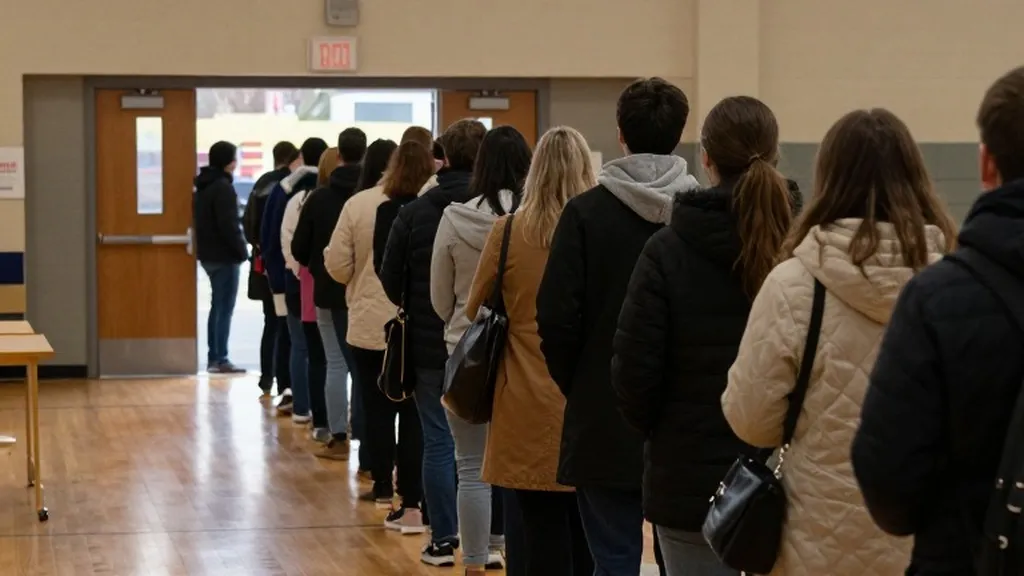
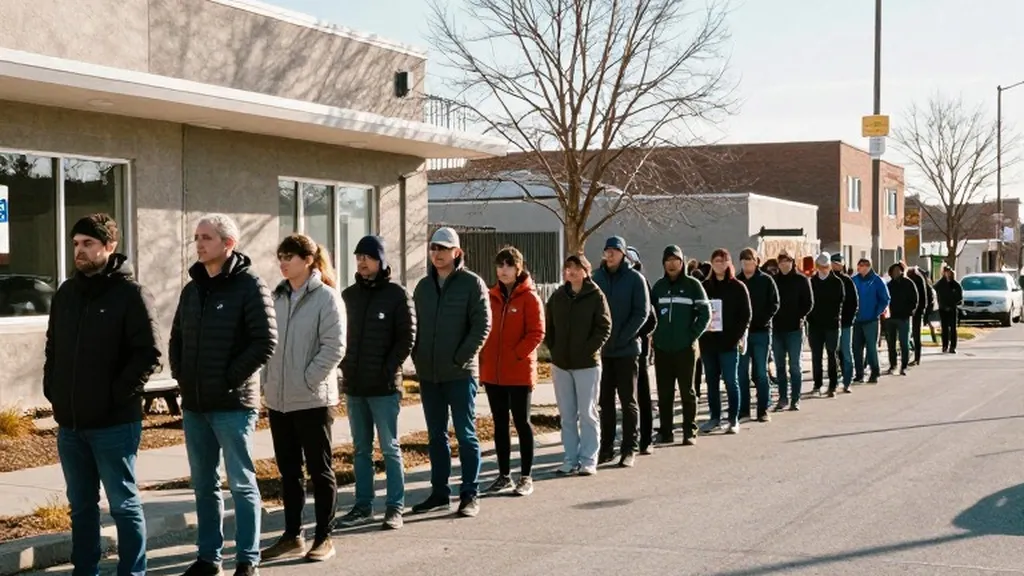
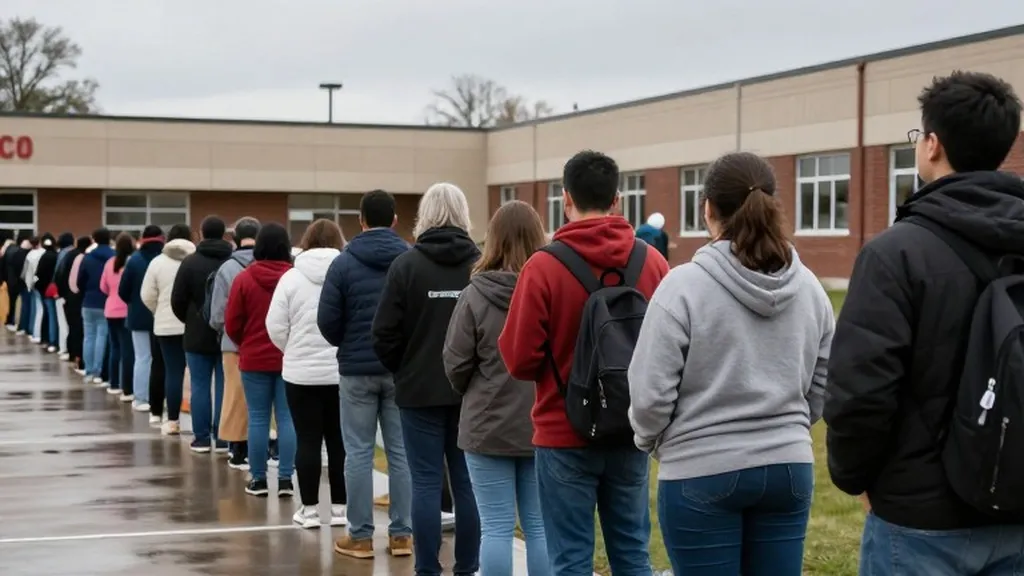
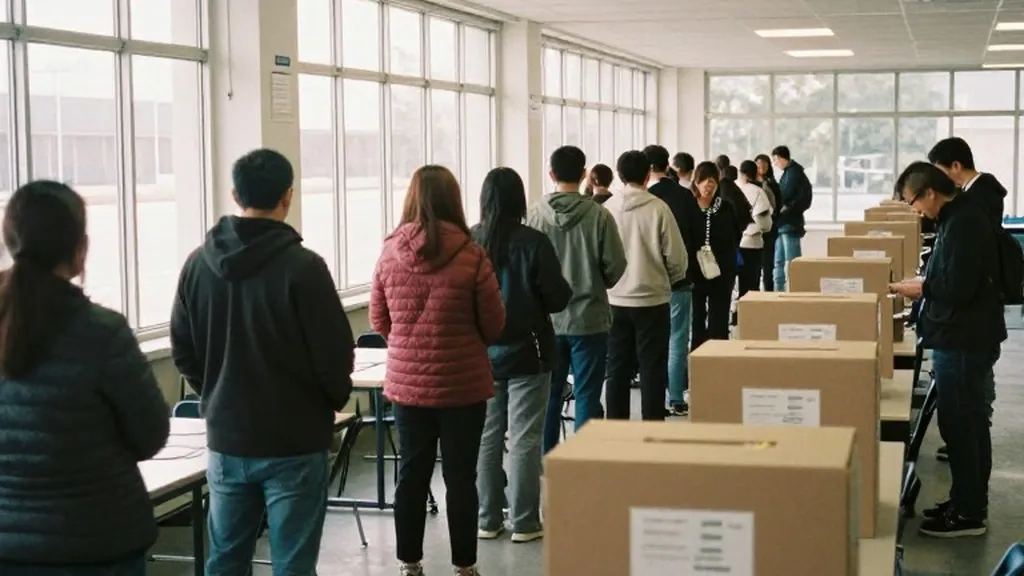
It is Tuesday, November 3, 2026, and the United States is in the midst of deciding the balance of power in Congress for the final two years of President Donald Trump's second term. More than 57 million people had already cast their ballots as of Monday. This figure surpasses the early vote totals from four years ago in many closely watched states. The sheer volume of early participation suggests that the final outcome will hinge heavily on who shows up at the polls today.
The Associated Press describes this election as a referendum on the administration's performance, with voters reportedly struggling with high prices and expressing anger over an unpopular war with Iran. In a recent AP-NORC poll, only 35% of U.S. Adults approved of President Trump's job performance, while about 7 in 10 said the country was heading in the wrong direction. Most respondents in that survey blamed the president for the high cost of living. These sentiments appear to be driving the intense focus on voter turnout across the nation.
Republican National Committee Chairman Joe Gruters emphasized the decisive role of voter participation in a recent statement. He said, "Everything depends on turnout. If we turn out our voters, we win, and that's what we've been planning for." Gruters's comments highlight the strategic priority for the GOP, which is bracing for the possibility of losing the House while fighting to hold the Senate. The party has invested heavily in its ground game to ensure that their base shows up in sufficient numbers to maintain their majority in at least one chamber.
On the other side of the aisle, Democratic Congressional Campaign Committee Chair Rep. Suzan DelBene framed the election around voter sentiment. She stated, "The American people are angry. They want change." DelBene's remarks reflect a cautious optimism among Democrats, who are looking to capitalize on economic frustration. The Democratic strategy relies on mobilizing voters who are dissatisfied with the current state of the economy and the direction of the country under the current administration.
The financial scale of this election is unprecedented. Reuters notes that the 2026 elections are likely to be the most expensive in history. Republican committees have outraised and outspent their Democratic counterparts, aided by Trump-affiliated groups and significant contributions from Elon Musk. However, at the candidate level, Democrats have managed to outraise their opponents. An analysis of AdImpact data shows that 88.1% of Republican general election TV ad spending went to states and districts that President Trump won in 2024. This includes more than $850 million spent in areas where he won by 10 points or more.
Voters on the ground are expressing their priorities in direct terms. James Moore, a 57-year-old librarian in Raleigh, North Carolina, said, "I'm paying more taxes. I'm paying more for my healthcare. I'm paying more for everything." His comments mirror the broader Democratic focus on the cost of living and health care as central issues. In contrast, Mark Barker of Palm Beach Gardens, Florida, said, "I've just been following Trump the whole time. I really think he's doing an awesome job." These individual voices capture the divided sentiment that defines this election day.
The ground game remains a crucial component of the campaign. Both parties have deployed massive resources to get voters to the polls. The U.S. Postal Service has added hours, staff, and special lines to ensure that mail-in ballots are counted on time. This logistical effort is critical given the high volume of early and mail-in votes. Any delays or disruptions could impact the final tally, making the administration of the election as important as the campaign itself.
Legal challenges have also shaped the environment for this vote. A federal judge temporarily barred the Trump administration from carrying out a plan to prevent noncitizen voting, a move that critics said risked disenfranchising eligible voters. Additionally, a judge ordered the administration to stop demanding that California election officials segregate ballots cast by people on its lists of suspected noncitizens. These legal developments have added a layer of complexity to an already high-stakes election, with both parties closely monitoring the process for any signs of interference.
The stakes extend beyond just control of Congress. If Democrats win even one chamber, investigations and possible impeachment proceedings become likely. House Democratic Leader Hakeem Jeffries has outlined a 100-day agenda focused on the cost of living and oversight of the administration. A strong Democratic performance would also boost potential 2028 candidates such as Gavin Newsom, JB Pritzker, and Pete Buttigieg. For Republicans, holding onto the Senate is essential to blocking such oversight and maintaining their legislative agenda.
As polls open across the country, the focus shifts from campaigning to the mechanics of voting. Ballotpedia provides detailed poll hours for all states, ranging from 6 a.m. To 9 p.m. Depending on the location. Anyone in line when polls close is entitled to vote. Voters are encouraged to check their specific state's ID rules and find their polling place at vote.gov. The final result will not be known until all votes are counted, but the early turnout indicates a deeply engaged electorate ready to make its voice heard.