Record Spending: GOP Committees Lead, Democrats Edge Out at Candidate Level
Republicans lead in committee spending while Democrats outpace rivals at the candidate level, with over 850 million dollars directed at districts Trump won by wide margins.
By Ana Castro ·

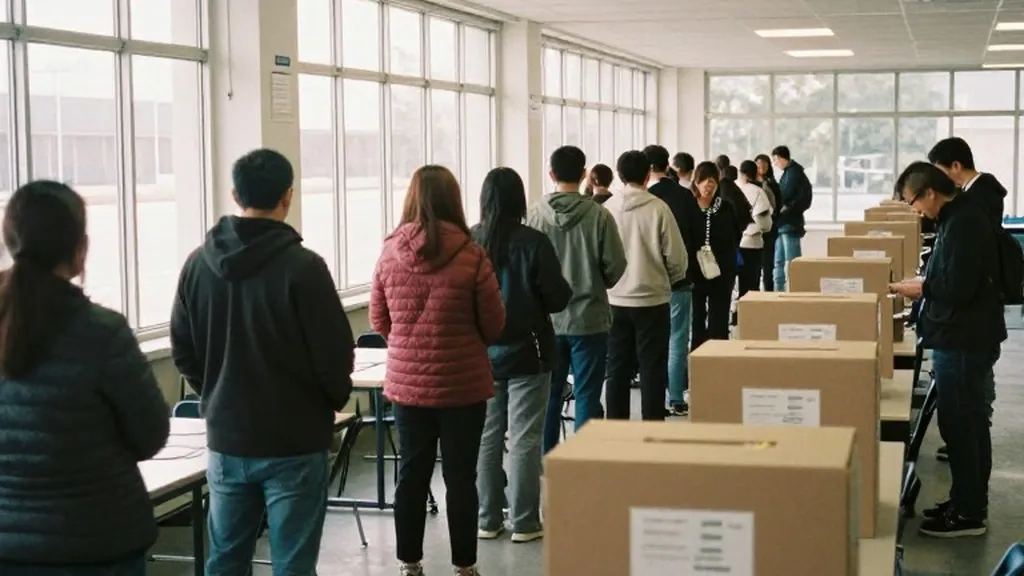
As voters head to the polls across the nation on Election Day, the financial scale of the 2026 midterm election has reached historic proportions. The Associated Press reports that this cycle is likely to become the most expensive in American history. This surge in spending reflects the high stakes involved in determining who controls Congress for the final two years of President Donald Trump’s second term. The sheer volume of money flowing into the race underscores the intensity of the contest for both chambers.
The flow of funds has not been evenly distributed between the two major parties. Republican committees have outraised and outspent their Democratic counterparts at the committee level. This advantage has been bolstered by significant contributions from groups affiliated with President Trump and the tech billionaire Elon Musk. These financial resources have allowed Republican committees to maintain a broad and sustained advertising presence throughout the general election period.
However, the picture changes when looking at individual candidate campaigns. Democrats have managed to outraise their Republican opponents at the candidate level. This creates a complex dynamic where party committees hold a spending edge, but individual Democratic candidates have secured more funds for their specific races. This split in fundraising success suggests that while the party infrastructure is well-funded, the grassroots candidate efforts have also generated substantial support.
An analysis of television advertising data by the Associated Press using AdImpact data reveals where the Republican spending has been concentrated. Eighty-eight point one percent of Republican general election television ad spending went to states and districts that President Trump won in 2024. This strategic focus indicates an effort to solidify support in areas where the president already had a strong base of voters.
A particularly large portion of this advertising budget was directed toward districts where President Trump won by ten points or more in the previous election. More than 850 million dollars in television ad spending was directed at these specific areas. This heavy investment in safe Republican territory contrasts with the competitive nature of many other districts on the ballot, raising questions about the efficiency of the spending strategy in a tight midterm environment.
The concentration of funds in areas with large Republican margins suggests a defensive posture aimed at protecting seats. By pouring resources into districts where the president performed well, Republican committees may be attempting to ensure that their candidates are the visible face of the party in those regions. This approach stands in contrast to the need for Democrats to net gains in order to secure a majority in either chamber.
Democrats, meanwhile, have focused their candidate-level fundraising efforts on battleground districts. The party needs a net gain of three districts in the House and four seats in the Senate to take control. The ability to outraise opponents at the candidate level provides a crucial tool for competing in these tight races. This funding allows Democratic candidates to run their own advertisements and conduct local outreach in key districts.
The contrast between committee spending and candidate spending highlights the different strategies employed by each party. Republican committees have leveraged their larger war chests to dominate the media landscape in certain regions. Democratic candidates have used their fundraising strength to compete directly in head-to-head matchups. Both approaches aim to influence the outcome of the 435 House seats and 35 Senate seats up for election.
Voters in these districts will have the final say on whether the money translates into votes. The high cost of the election is a result of the close margins in many races. With polls open, the allocation of these funds is a critical factor in the ongoing battle for congressional control. The financial edge of Republican committees and the candidate-level edge of Democrats will both play a role in the final tallies.
The Associated Press notes that one or two seats could tip the balance in either chamber. This narrow margin of error makes every dollar of campaign spending significant. The historic levels of expenditure in 2026 reflect the urgency felt by both parties to control the legislative agenda. As the day progresses, the impact of this massive financial investment will become clearer in the results.
The money in the 2026 election is a defining feature of the contest. From the 850 million dollars spent in high-margin Trump districts to the candidate-level fundraising success of Democrats, the financial landscape is complex. As voters cast their ballots, the legacy of this record-breaking spending cycle will be measured by the composition of the next Congress.