Courts and Courts of Public Opinion: The Legal Battles Defining the 2026 Midterm Vote
Federal judges have issued temporary orders regarding noncitizen voting and ballot segregation, adding legal complexity to a high-stakes midterm election.
By Gabriela Ivanov ·
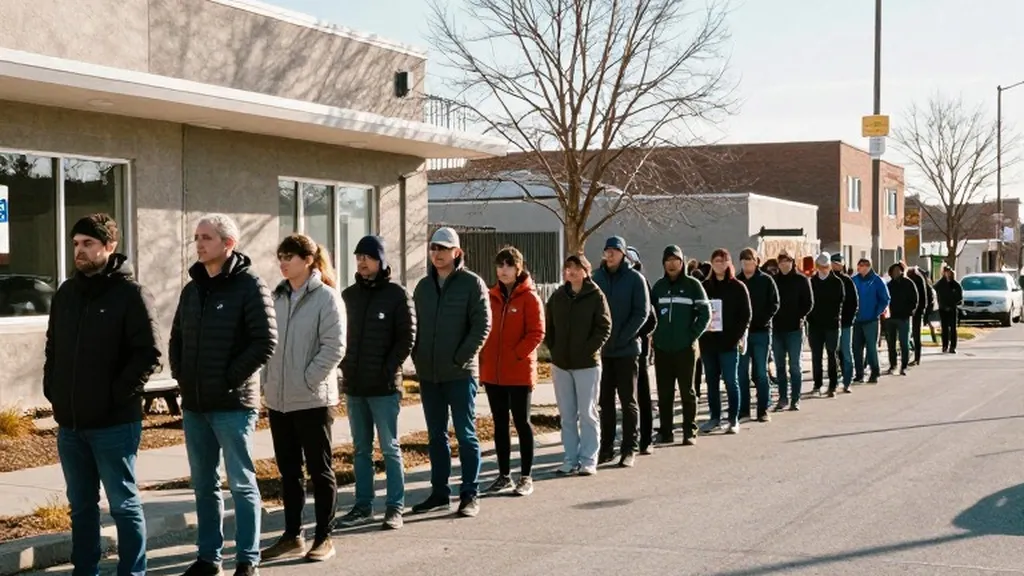
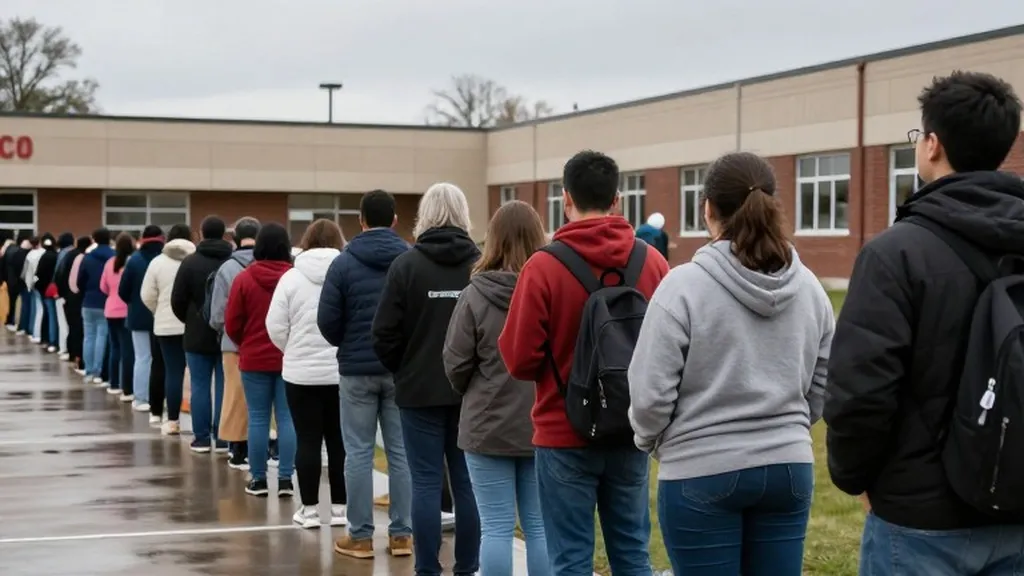
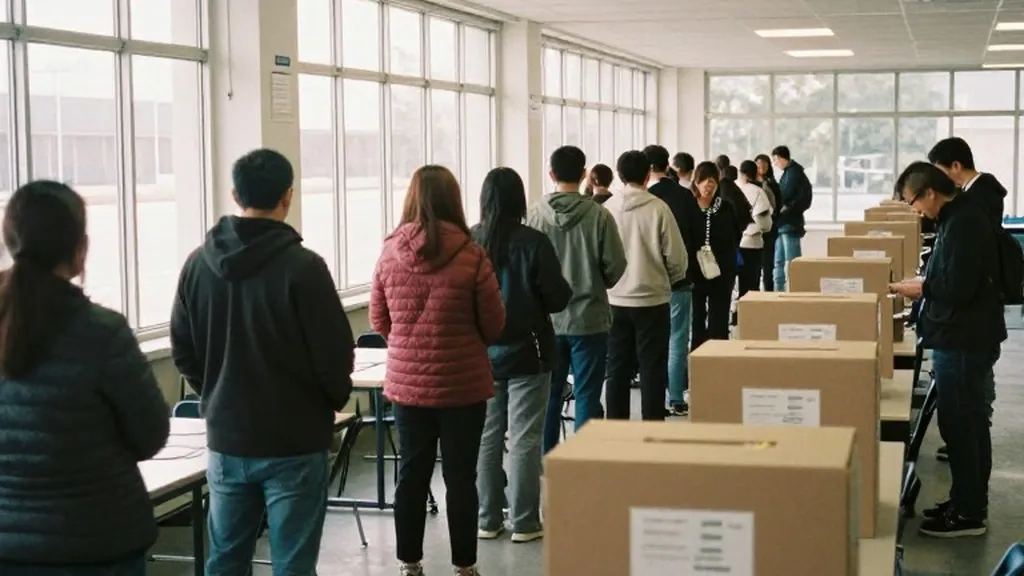
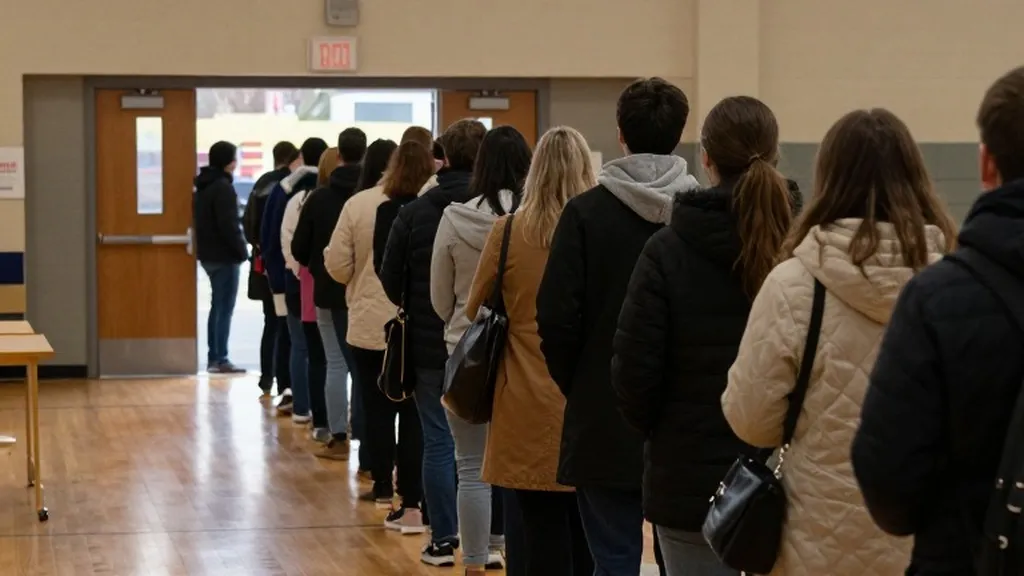
Voters across the United States are heading to polling places on Tuesday, November 3, 2026, to decide the composition of Congress in the final two years of President Donald Trump's second term. The election is widely viewed as a referendum on the administration's handling of high prices and the ongoing war with Iran. While the political stakes are high, the administrative and legal framework governing the vote has become a focal point of contention. Federal courts issued significant rulings on Monday that could influence how votes are counted and verified in key states.
A federal judge temporarily barred the Trump administration from executing a plan designed to prevent noncitizen voting on Monday. Critics of the administration's strategy argue that the plan risks disenfranchising eligible voters and infringes on the authority of states to manage their own elections. The ruling comes as the administration has continued to make claims about voting fraud, including assertions that noncitizens vote in large numbers. These legal moves have raised concerns among Democrats about potential interference and intimidation, particularly as the Justice Department has threatened to prosecute local election officials.
In a related development, a judge ordered the administration to stop demanding that California election officials segregate ballots cast by individuals on lists of suspected noncitizens. This order adds to the legal pressure on the federal government's involvement in state election processes. The California ballot order is part of a broader pattern of litigation that includes a lawsuit filed by the Trump administration in Alaska regarding the certification of the Senate result. These cases highlight the increasing role of the courts in shaping the mechanics of the 2026 midterm election.
The U.S. Postal Service has also taken specific measures to ensure the timely processing of mail ballots. The agency added extra hours, increased staffing, and established special lines to facilitate the counting of mail-in votes. These logistical steps are critical in states that rely heavily on mail voting, such as California, Colorado, Hawaii, Nevada, Oregon, Utah, Vermont, and Washington. The Postal Service's actions aim to prevent delays that could impact the final tally of votes in these jurisdictions.
The legal battles occur against a backdrop of intense fundraising and strategic positioning. The 2026 elections are expected to be the most expensive in history. Republican committees have outraised and outspent their Democratic counterparts, aided by Trump-affiliated groups and Elon Musk. However, at the candidate level, Democrats have managed to outraise their opponents. 88.1% of Republican general election TV ad spending went to states and districts that Trump won in 2024. This includes more than $850 million spent in areas where he won by 10 points or more.
Democrats are cautiously optimistic about their chances, driven by voter anger over the cost of living and healthcare. Representative Suzan DelBene, chair of the Democratic Congressional Campaign Committee, stated that the American people are angry and want change. House Democratic Leader Hakeem Jeffries has outlined a 100-day agenda focused on the cost of living and oversight if his party gains control of the House. He would become the first Black speaker of the House. A strong Democratic performance could also boost the 2028 presidential prospects of figures such as Gavin Newsom, JB Pritzker, and Pete Buttigieg.
Republicans are bracing for a potential loss in the House while fighting to hold the Senate. RNC Chairman Joe Gruters emphasized that everything depends on turnout, noting that winning requires mobilizing their base. The Republican strategy has relied heavily on redistricting in states such as Florida, Texas, and North Carolina. However, new district maps may not guarantee the same voting patterns as drawn. The AP notes that one or two seats could tip the balance in either chamber, making the outcome of the midterms highly competitive.
Voters are grappling with economic realities that have shaped their attitudes toward the administration. AP-NORC polling indicates that 35% of U.S. Adults approve of President Trump's job performance, while only 25% approve of his handling of the economy. About seven in 10 Americans say the country is heading in the wrong direction. Many voters, including James Moore, a librarian in Raleigh, North Carolina, cite higher taxes and healthcare costs as primary concerns. In contrast, other voters, such as Mark Barker of Palm Beach Gardens, Florida, remain supportive of the president's leadership.
The Senate race is particularly tight, with 35 seats up for election. Democrats need a net gain of four seats to take the majority, while Republicans can lose only two. Key battlegrounds include Alaska, Florida, Georgia, and Michigan. In Alaska, the Trump administration's lawsuit regarding the certification of the Senate result adds another layer of legal complexity to an already contentious race. The state's Senate seat, currently held by Dan Sullivan, is rated as a toss-up to lean Democratic by major race rating services.
As polls open across the country, with hours varying by state, the focus remains on both the political outcomes and the procedural integrity of the vote. The temporary court orders in California and the broader noncitizen voting ruling will likely be closely watched by legal experts and political analysts in the coming days. The U.S. Postal Service's expanded operations and the high level of pre-election voting, with more than 57 million people having already cast ballots, underscore the scale of this midterm contest. The results will determine the balance of power in Washington for the next two years.