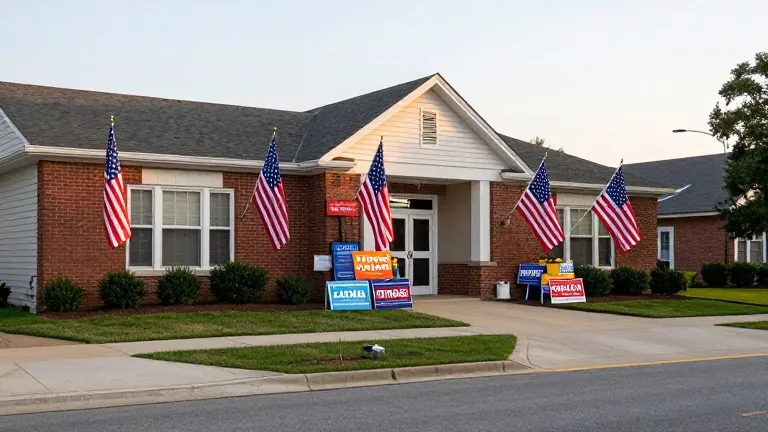
Democrats seize Senate and House control as Republican governors fall
New midterms deliver Democrats a 54-44 Senate majority and a 250-157 House lead, reshaping oversight and state leadership in key battlegrounds.
By Giulia Donovan ·
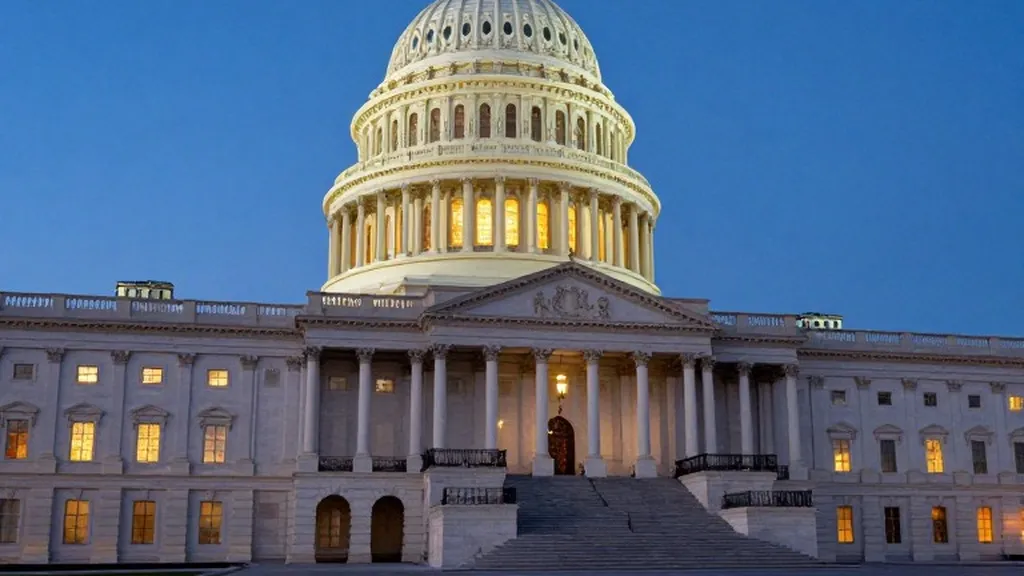
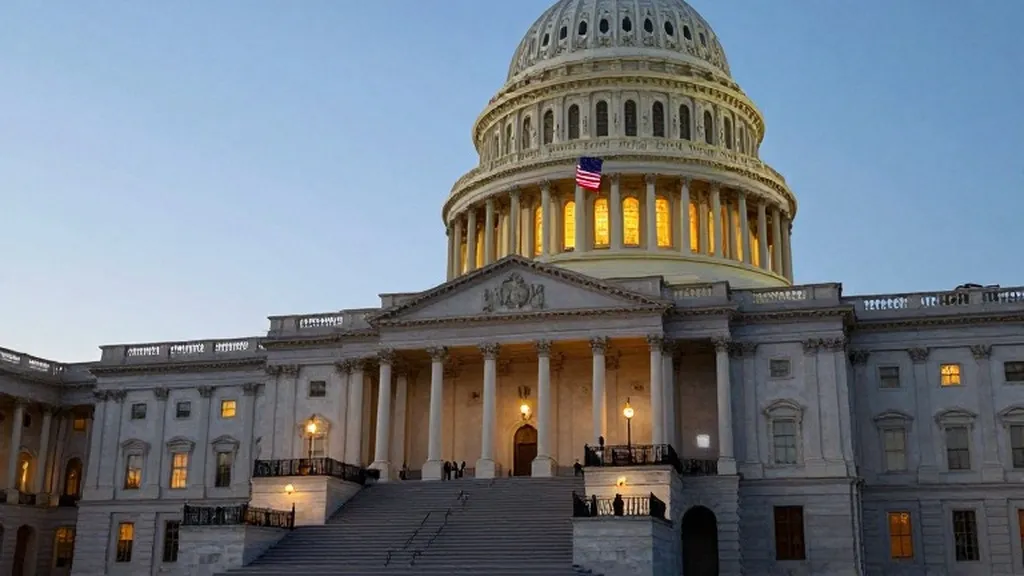
The 2026 midterm elections concluded with a decisive shift in power, as Democrats secured majorities in both chambers of the U.S. Congress and a majority of governorships for the first time since before the 2010 elections. According to election results compiled by Ballotpedia, Democrats picked up at least 43 House seats and seven Senate seats, all of which were previously held by Republicans. This performance places the election in the top 20% of historical election years in terms of seat swings against a sitting president's party, a threshold often defined as a wave election. The new congressional balance stands at at least 250-157 in the House and 54-44 in the Senate, providing the Democratic Party with the leverage needed to initiate significant oversight actions.
In the U.S. Senate, the gain of seven seats from the Republican column marks a substantial rebalancing of power. This majority allows Democrats to control committee assignments and legislative calendars, setting the stage for immediate scrutiny of federal agencies. The shift is particularly notable given the previous gridlock that had hampered legislative progress. With control of the chamber, Democrats can now prioritize investigations into the administration's handling of foreign policy and domestic spending. The results signal a clear voter mandate for increased accountability and a reevaluation of executive branch decisions made in the final years of the current term.
The House of Representatives saw a net loss of at least 42 seats for Republicans, a significant decline that reflects broader voter dissatisfaction. While this number falls short of the 48 seats needed to qualify as a wave election by specific historical standards, the shift is undeniable. Democrats now hold a 250-157 majority, which grants them the ability to pass legislation and override vetoes with relative ease. This majority was built on the recovery of 42 seats previously held by Republicans and one seat held by an independent. The composition of the new House will likely focus heavily on cost of living issues and health care reforms, responding to the primary concerns of voters who drove this shift.
Beyond the federal chambers, Democrats also won a plurality of state government trifectas and a majority of governorships. This state-level control complements the federal gains, creating a coordinated front for policy implementation. The election results indicate that voters favored Democratic candidates in both federal and state races, suggesting a unified preference for the party's platform. This alignment between state and federal leadership will facilitate the passage of bills that require state cooperation, such as infrastructure projects and environmental regulations. The new governors will have the authority to influence state budgets and policies, further extending the reach of the Democratic agenda.
In California, the election of Xavier Becerra as governor continues a streak of Catholic leadership in the state, marking the fifth consecutive Catholic governor. Becerra, a Democrat and former U.S. health and human services secretary, won the support of Catholic voters, including a significant portion of Latino Catholics. According to the AP Voter Poll, about 6 in 10 Catholic voters supported Becerra, while white Catholics were split between him and his Republican opponent, Steve Hilton. This result underscores the complex political dynamics of religious groups in California, where Catholicism is deeply woven into the cultural fabric. The state remains home to more Catholics than any other U.S. state, with 25% of adults identifying as Catholic according to a 2024 Pew Research Center poll.
The new congressional majority is already preparing to use its oversight powers to scrutinize the Trump administration's education policies. Rep. Bobby Scott of Virginia, the top Democrat on the House Committee on Education and the Workforce, has pledged to leave no rock unturned in investigating the dismantling of the U.S. Education Department. He plans to use the committee's authority to issue subpoenas and hold hearings, focusing on the administration's handling of federal student loans and anti-discrimination policies. Sen. Elizabeth Warren of Massachusetts has also called for accountability, emphasizing the need to hold the administration responsible for its actions. These efforts aim to uncover how decisions were made and to apply political pressure on the executive branch.
Democrats are also exploring the use of federal funding as a lever to rein in the administration's agenda. Sen. Chris Van Hollen of Maryland, a member of the Senate Appropriations Committee, indicated that there is interest in using the power of the purse to establish guard rails. This approach involves adding conditions to spending bills aimed at preventing abusive practices in education and other sectors. Although legislative countermeasures may be limited by the president's veto power, the appropriations process offers a viable path to influence policy. Democrats hope to use this tool to stop the bleeding in areas where the administration has made significant changes, such as the restructuring of higher education funding.
The election results also set the stage for a dramatic impeachment vote in the House, as Rep. Thomas Massie of Kentucky moved to force a vote to impeach Defense Secretary Pete Hegseth. The resolution, introduced on the first day of the new session, focuses on the war in Iran and other military actions. House Speaker Mike Johnson, a Republican, warned against impeaching a cabinet secretary during active hostilities, but the move signals the intensity of the new congressional dynamic. Most House Democrats are expected to support the impeachment, with Democratic Leader Hakeem Jeffries stating it is time for the defense secretary to go. This action highlights the new Democrats' willingness to use their majority to assert control over the executive branch.