Midterm Wave: Democrats Flip 7 Senate Seats, Defying Historical Presidential Penalty
Democrats secured majorities in both chambers, marking one of the top 20% of seat losses for a president's party in modern history.
By Ana Castro ·
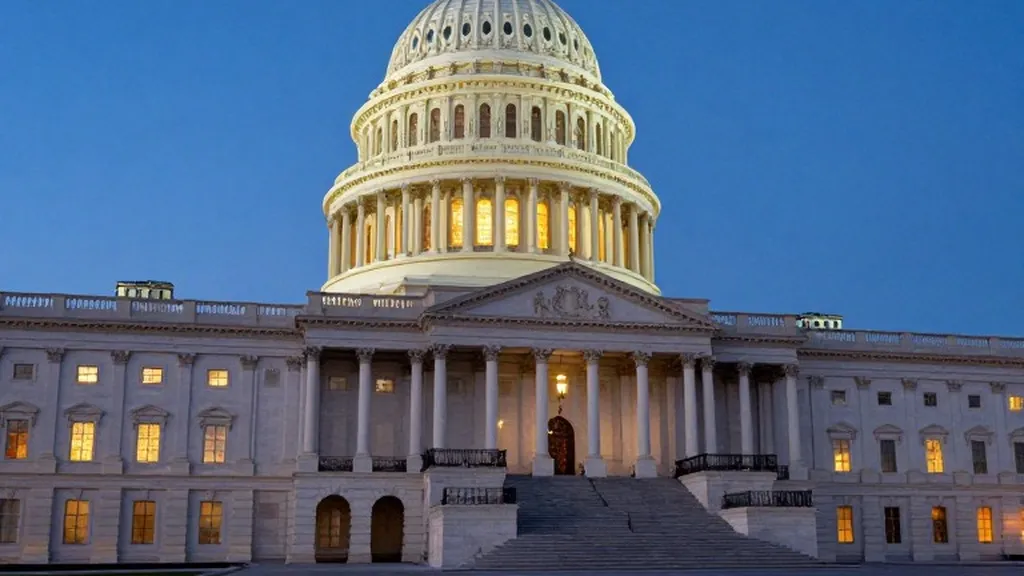
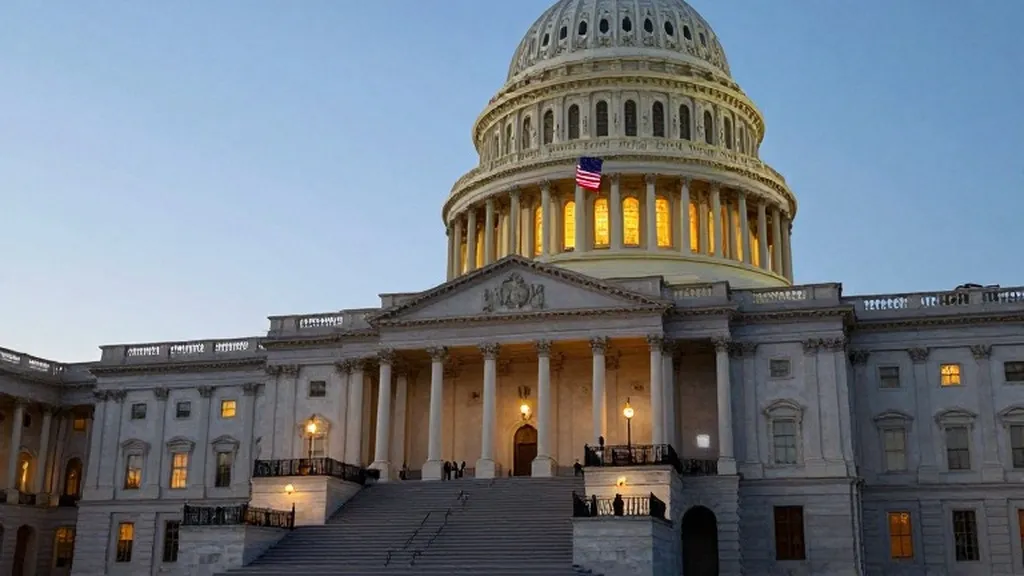
The historical pattern that a president's party almost always loses seats in midterm elections played out dramatically on Tuesday, November 3, 2026. Democrats won majorities in both the U.S. House and the U.S. Senate, securing a decisive victory that shifted the balance of power in Washington. According to results compiled by Ballotpedia, Democrats picked up at least 43 House seats, with 42 of those previously held by Republicans and one held by an independent. In the Senate, the Democratic Party captured seven seats, all of which had been held by Republicans until now. This performance places the election in the top 20% of election years in terms of seat swings against a sitting president's party, a threshold often defined as a wave election.
The shift in the House is substantial, with Democrats holding at least a 250-157 majority as of 4 p.m. EST on November 6. While the net loss of 42 seats for Republicans is significant, it is short of the 48 seats needed to qualify as a wave election by that specific metric, though uncalled races could still alter that total. The Senate result is equally pivotal, giving Democrats a 54-44 majority. This change in control means that the legislative agenda, including oversight of the administration and budgetary priorities, will be shaped by the party of the opposition rather than the party of the president.
Both parties entered this election cycle attempting to counter the historical trend of midterm losses. Republicans, holding the White House, sought to maintain their legislative footing despite the general headwinds facing the president's party. Democrats, in the minority for the past two years, aimed to capitalize on voter dissatisfaction to regain control of Congress. The outcome suggests that the Democratic strategy resonated with voters, who rewarded the party with a net gain of seats in both chambers. This result is particularly notable because it breaks the streak of Republican gains or holds in recent midterms where the president was a Republican.
The implications of this shift are immediate and far-reaching. With a majority in both chambers, Democrats have the power to pass legislation, confirm appointments, and conduct investigations with greater ease. The new Congress will convene in January, but the political dynamics have already begun to shift. Democrats are preparing to use their new majorities to oppose some of President Donald Trump's marquee policies, including the dismantling of the U.S. Education Department. Rep. Bobby Scott of Virginia, who is set to lead the House Committee on Education and the Workforce, has stated that he plans to leave no rock unturned in his investigation of the administration's actions.
Sen. Elizabeth Warren of Massachusetts has called on fellow Democrats to hold the Trump administration accountable for its handling of the Department of Education. The White House has responded with criticism, with spokesperson Liz Huston accusing Democrats of failing American students with disastrous leadership. However, the election results indicate that voters were receptive to the Democratic message of oversight and accountability. The new majority in the Senate will also play a crucial role in the confirmation process, potentially blocking or modifying presidential nominations for key administrative positions.
The election also saw significant shifts in state government. Democrats won a plurality of state government trifectas and state legislative chambers, as well as a majority of governorships for the first time since before the 2010 elections. This indicates that the national trend was not isolated to federal offices but was reflected across the country. The success of Democrats in state races suggests a broad-based appeal to voters who were concerned about the cost of living, health care, and the administration's handling of foreign policy, including the Iran war.
The Iran war was a central issue in the campaign, with many Republicans blaming their election wipeout on the conflict. Rep. Thomas Massie of Kentucky, a Republican, moved to force a vote to impeach Defense Secretary Pete Hegseth, citing his role in the war. This move highlights the internal tensions within the Republican Party as they process their losses. House Speaker Mike Johnson had warned against impeaching a Cabinet secretary during active hostilities, but the pressure from within the party may force a vote. The outcome of the midterm elections has set the stage for a more contentious relationship between the executive and legislative branches.
The results also reflect a shift in voter behavior regarding religious affiliations. In California, Xavier Becerra, a Democrat and former U.S. health and human services secretary, won the governor's race, becoming the state's first elected Latino governor. His victory was supported by Catholic voters, with about 6 in 10 Catholic voters supporting Becerra. This result underscores the complex and diverse nature of religious voting patterns in the United States. The election of five consecutive Catholic governors in California highlights the enduring influence of Catholicism in the state's politics, even as the state maintains its progressive reputation.
The Democratic victory in the midterms is a significant check on the presidential agenda, but it is not a blanket mandate. Democrats will face challenges in passing legislation, as the president is likely to veto bills he sees as harmful. However, with majorities in both chambers, they have more leverage to push for changes and conduct investigations. The new Congress will also need to address the budget, with Democrats on the Senate Appropriations Committee exploring ways to use federal funding as leverage to rein in the administration's policies. This approach could be a key tool in shaping the next two years of governance.