Democracy's New Guardrails: Democrats Win Control and Historic Firsts
With healthy majorities in both chambers and a mandate for oversight, the new Congress prepares to confront the White House on cost of living and executive power.
By Giulia Donovan ·
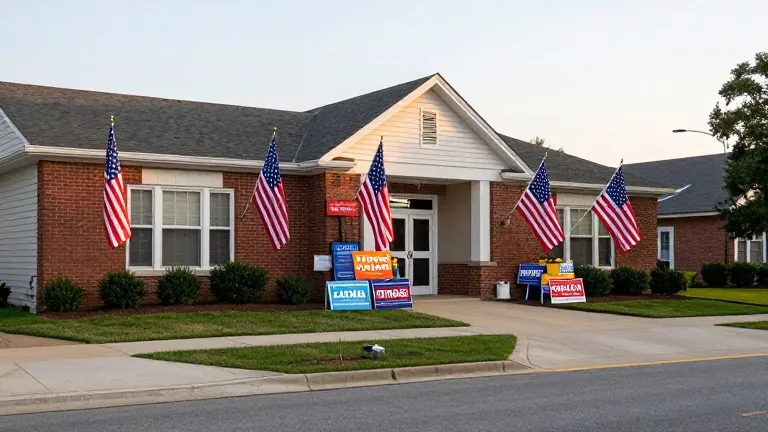
Democratic voters have delivered a decisive message to Washington, electing lawmakers who promise aggressive oversight of the executive branch and a renewed focus on the cost of living. The midterms concluded with Democrats securing healthy majorities in both the House and the Senate, a result that positions them to implement significant checks on the presidency. This outcome reflects a broad coalition of voters who felt that Congress had not done enough to provide balance against the White House. The victory is not merely about partisan control; it is a mandate for action on economic stability and institutional accountability.
The new congressional leadership is already signaling a combative stance toward the current administration. Representative Robert Garcia, who is poised to chair the House Oversight Committee, stated that the days of not fighting back are over. He described the current executive team as a crime family and warned that Democrats would not be intimidated by threats. This rhetoric sets the stage for a defining conflict in the president's remaining two years in office. The incoming majority is preparing for a rigorous investigation into the executive branch, aiming to restore public confidence in the checks and balances of the government.
President Donald Trump has responded with a defiant posture, declaring that the investigative requests made by Democrats amount to extortion at the highest level. Attorney General Todd Blanche echoed this sentiment, suggesting that criminal investigations of Democratic members of Congress are possible. This early exchange highlights the friction that will characterize the relationship between the new Congress and the White House. Both sides are positioning themselves for a long and intense political battle that will test the limits of congressional power.
Among the most significant outcomes of the election is the historic rise of Native American women in political leadership. Crystalyne Curley was elected as the first woman president of the Navajo Nation, a tribe with the largest land base of any federally recognized group. Her victory marks a turning point in a community where women's leadership has rarely translated into formal political power. Curley plans to transition the nation away from coal development and reassert its role in federal Indian policy discussions. Her win is part of a broader wave of milestones for Native women across the country.
Peggy Flanagan has also made history by becoming the first Native American woman elected to the U.S. Senate. A citizen of the White Earth Nation, Flanagan credited the support of Native women in her community for her victory in Minnesota. Her election adds to a small but growing group of Native people serving in the Senate. In New Mexico, Deb Haaland became the first female Native governor of a U.S. state. Haaland, a Laguna Pueblo citizen, is tasked with making life more affordable for struggling residents and addressing education outcomes. These victories represent a seismic shift in the political landscape for Native communities.
Democrats are also preparing to address the economic anxieties that drove many voters to the polls. About seven in ten voters nationally said Congress was not doing enough to provide checks and balances on the presidency. This sentiment aligns with the party's central promise to lower the cost of living. While some new members like Senator Adam Hamilton have expressed skepticism about spending all their time on impeachment, there is a consensus that guardrails are necessary. The incoming majority aims to balance the need for oversight with the urgent task of delivering tangible results for working-class families.
The election also saw a significant shift in the representation of other demographics in Congress. Claire Valdez of New York and Sean McCann of Michigan became the first Native Americans elected to represent their states in the House. In the Senate, the potential for three Native people to serve simultaneously has been highlighted, with Mary Peltola's race in Alaska remaining a point of attention. These milestones underscore a broader trend of diversification in American political leadership. The new members bring diverse perspectives and experiences that are expected to influence the legislative agenda in the coming years.
Despite the victory, tensions exist within the Democratic caucus regarding the best approach to dealing with the White House. Some members warn that conflict with the president should not define the entire agenda. They emphasize the need to prioritize legislation that directly impacts voters' daily lives, such as healthcare and economic relief. This internal debate highlights the challenge of maintaining unity while pushing for a strong oversight agenda. The new leadership will need to navigate these competing priorities to maintain the momentum gained in the election.
President Trump's appointment of Stephen Miller as his new chief of staff has further complicated the dynamic between the branches. House leader Hakeem Jeffries, who is on the cusp of becoming the first Black House speaker, criticized the choice as an awful selection. He expressed doubt about the prospect of working with Miller, whom he described as representing the extremism that the administration has unleashed. This criticism reflects a broader Democratic view that the administration's approach to immigration enforcement has gone too far, a sentiment shared by about six in ten voters.
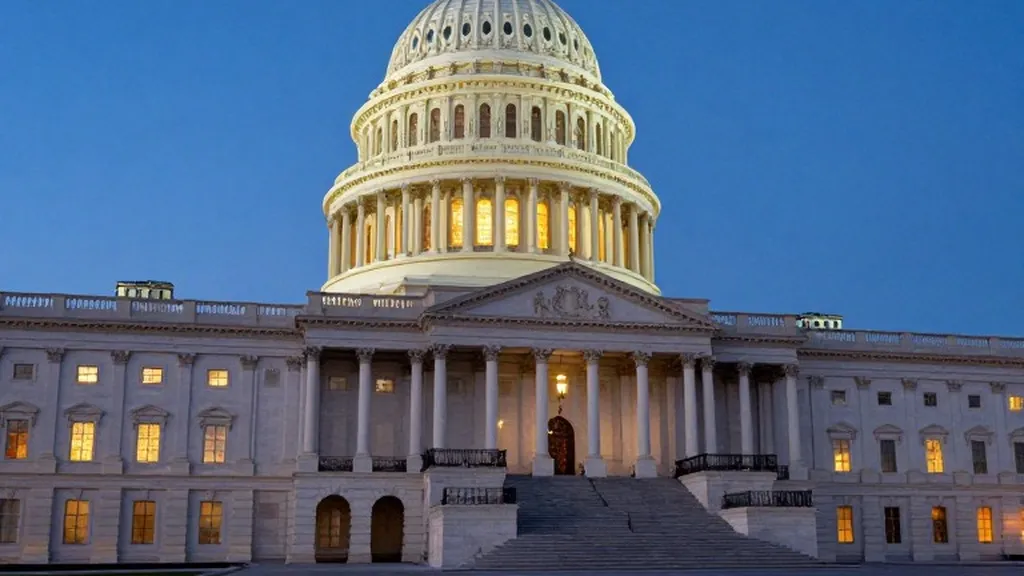
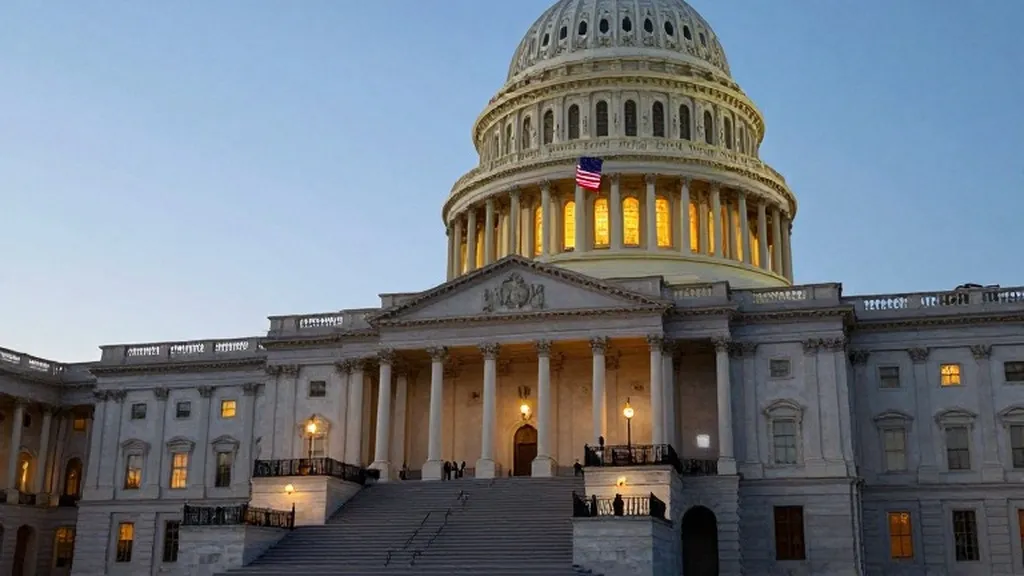
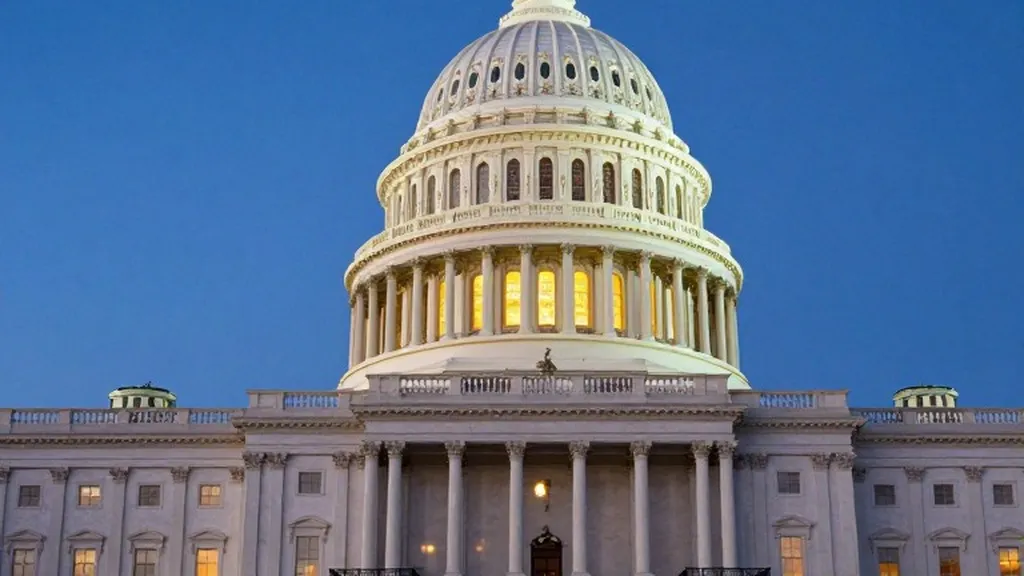
The new Congress is expected to return to the Capitol this week to begin the process of organizing committees and setting the legislative calendar. The focus will be on passing resolutions and establishing the framework for the next two years. With a mandate for accountability and economic relief, the incoming majority faces a complex task. They must balance the desire for a strong oversight role with the need to pass legislation that addresses the immediate needs of the American people. The coming months will reveal whether the new guardrails can effectively check the power of the presidency and deliver on the promises made to voters.