Price pressure drives voters as AP poll shows deep economic discontent
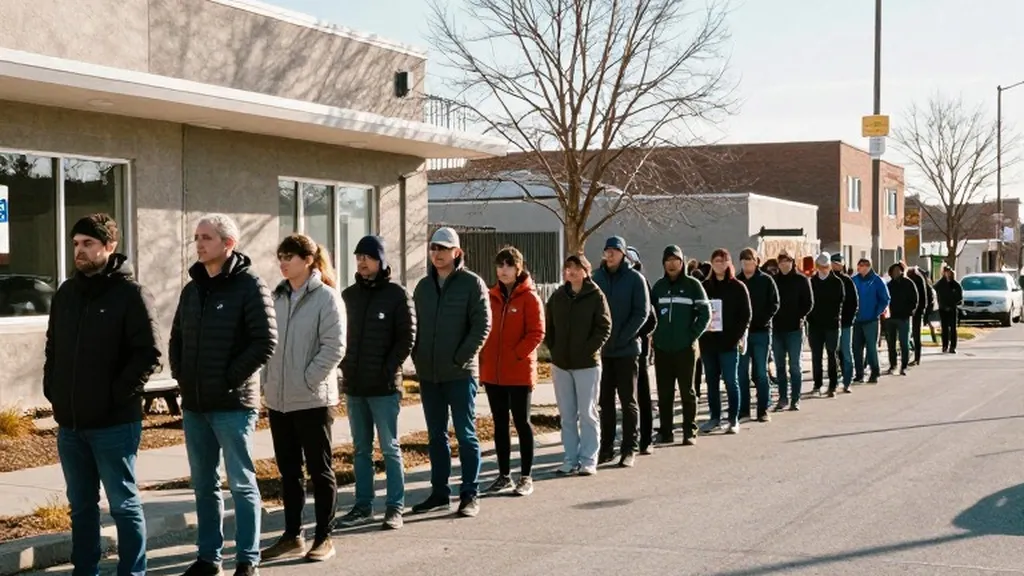
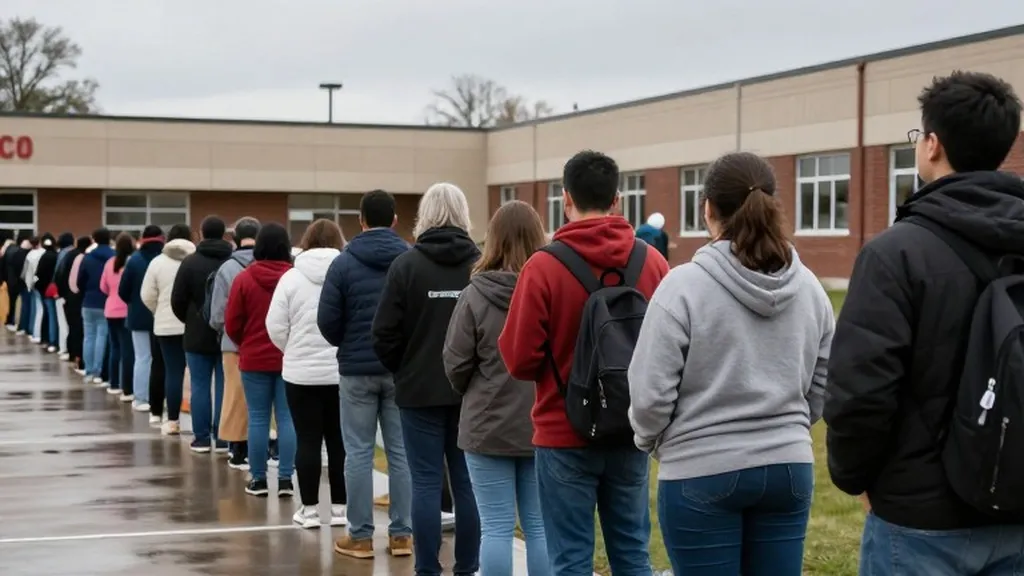
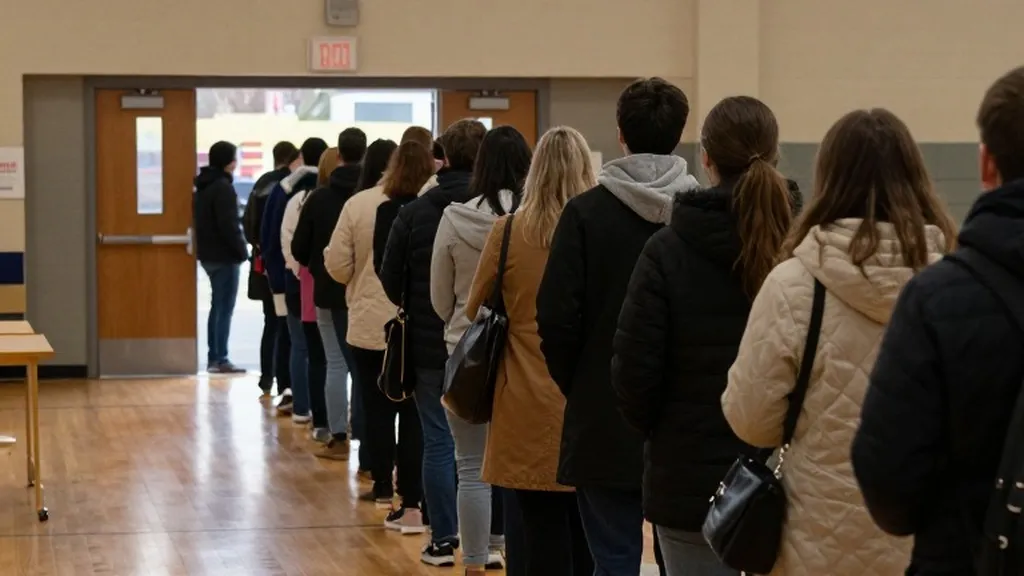
High costs and tariffs are dominating the national conversation on Election Day, with significant early vote totals already cast in key states.
By Ana Castro ·
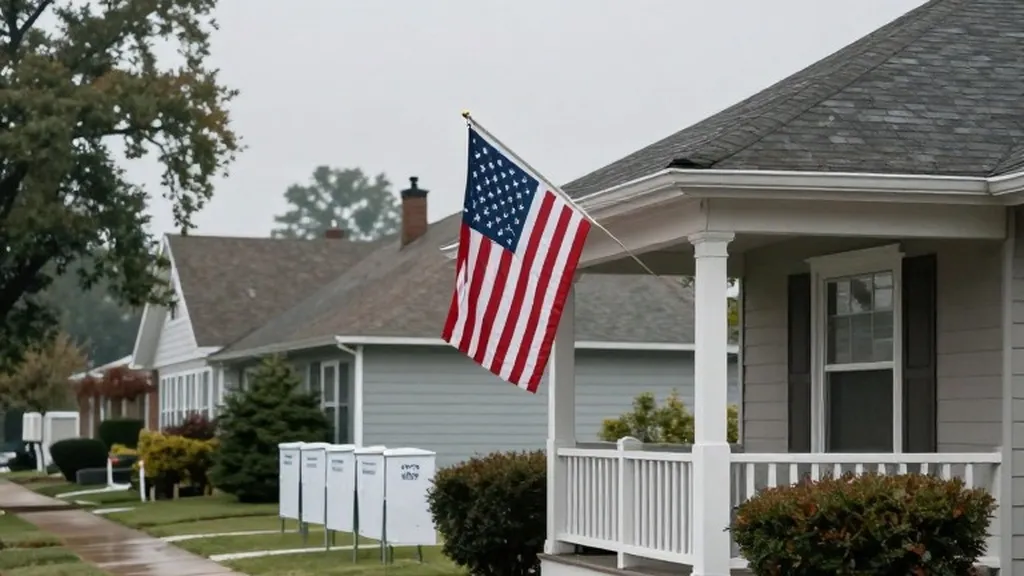
Voters heading to polling places across the United States on Tuesday, November 3, 2026, are confronting a political landscape defined largely by economic anxiety. The Associated Press describes the midterm election as a referendum on President Donald Trump’s second term, noting that citizens are struggling with high prices and expressing anger over an unpopular war with Iran. This sentiment is reflected in recent polling data that places the cost of living at the center of the national debate.
Only 35 percent of U.S. Adults approve of Trump's job performance, while just 25 percent approve of his handling of the economy. Approximately seven in 10 respondents say the country is heading in the wrong direction, and most of those respondents attribute high prices to the president. These numbers suggest that while the presidential race has ended, the economic pressure remains a potent force in determining who controls Congress for the final two years of the current term.
The financial stakes for the parties are high, with Republicans bracing for a potential loss of the House while fighting to retain control of the Senate. The Associated Press notes that one or two seats could tip either chamber, a narrow margin that underscores the competitive nature of the races. Democrats, for their part, are described as cautiously optimistic, with leadership emphasizing the desire for change among the American public. DCCC Chair Rep. Suzan DelBene stated that the people are angry and want change, a sentiment that resonates with many voters facing rising costs for essentials.
In North Carolina, the economic strain is palpable for many residents. James Moore, a 57-year-old librarian in Raleigh, summarized the mood in his community by noting that he is paying more in taxes, more for healthcare, and more for everything. His comments align with the broader AP finding that most voters blame the president for high prices. The state is also a battleground for the U.S. Senate, where Democratic former Governor Roy Cooper faces former Republican National Committee chair Michael Whatley. This race is particularly significant because it involves a new congressional map following mid-decade redistricting, which has altered the political landscape in the state.
Tariffs have emerged as a specific point of contention, particularly in states where they have made the races competitive. In Maine, economic strain and tariffs have turned the Senate race into a tight contest. Senator Susan Collins, a Republican, faces a challenge from Troy Jackson, a Democrat and former state Senate President. The state is rated as a toss-up by major political analysts, highlighting how trade policy has become a central issue for voters in traditionally varied political environments.
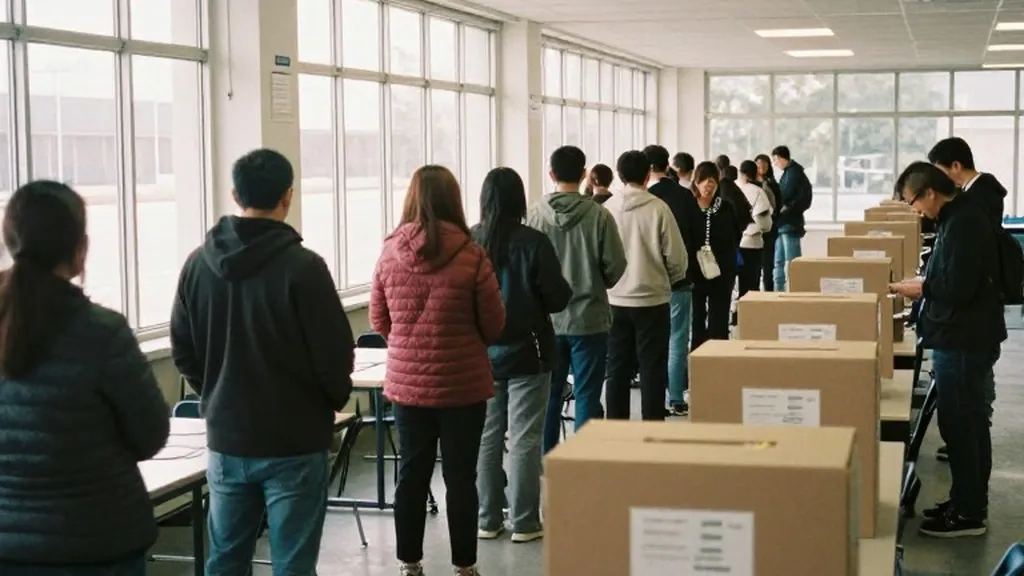
The early voting numbers suggest a high level of engagement, with more than 57 million people having already cast ballots as of Monday. This figure surpasses the early vote totals from four years ago in many closely watched states. The volume of early voting indicates that a significant portion of the electorate has already made their decision, potentially shaping the final outcome before polls close in the evening. The Associated Press notes that this early surge is a critical component of the current election cycle, affecting the strategies of both parties as they work to mobilize their remaining supporters.
Money is playing a decisive role in the campaign, with the 2026 elections likely to be the most expensive in history. Republican committees outraised and outspent Democratic committees at the national level, aided by Trump-affiliated groups and the influence of Elon Musk. However, at the candidate level, Democrats outraised their opponents, suggesting a different dynamic at the local and state levels. An analysis of TV ad spending shows that 88.1 percent of Republican general election spending went to states and districts that Trump won in 2024, including more than $850 million in areas where he won by 10 points or more.
In Palm Beach Gardens, Florida, voter Mark Barker offered a contrasting perspective, stating that he has been following Trump and believes he is doing an awesome job. His view reflects the segment of the electorate that remains supportive of the president despite the economic concerns highlighted in the polls. Florida is a key state in this election, with a special Senate election for the rest of the term held by Marco Rubio. The race features Ashley Moody, a Republican, in a state where Trump won by 13.1 points in 2024. The state also uses a new congressional map, which may impact the outcome of House races in the region.
The administration has faced challenges in election administration, with a federal judge temporarily barring a plan to prevent noncitizen voting on Monday. Critics argue that the plan risks disenfranchising eligible voters, while the Justice Department threatens to prosecute local election officials. These legal maneuvers have added a layer of complexity to the election day process, with the U.S. Postal Service adding hours and staff to ensure mail ballots are counted on time. The legal battles continue to unfold, with the administration suing in Alaska and California, raising concerns about the integrity of the voting process.
The outcome of this election will determine the balance of power in Congress, with implications for oversight and potential investigations. If Democrats win even one chamber, House Democratic Leader Hakeem Jeffries would be the first Black speaker and has outlined a 100-day agenda focused on the cost of living and oversight of the administration. The results will also influence the path of potential 2028 candidates, including Gavin Newsom, JB Pritzker, and Pete Buttigieg. As polls open in states like North Carolina and Florida, the focus remains on whether the economic discontent reflected in the AP-NORC numbers will translate into a shift in congressional control.