Voters Weigh Cost of Living and Iran War in Midterm Referendum
With polls open, economic strain and the unpopular conflict with Iran are driving voter decisions in a high-stakes midterm election.
By Gabriela Ivanov ·
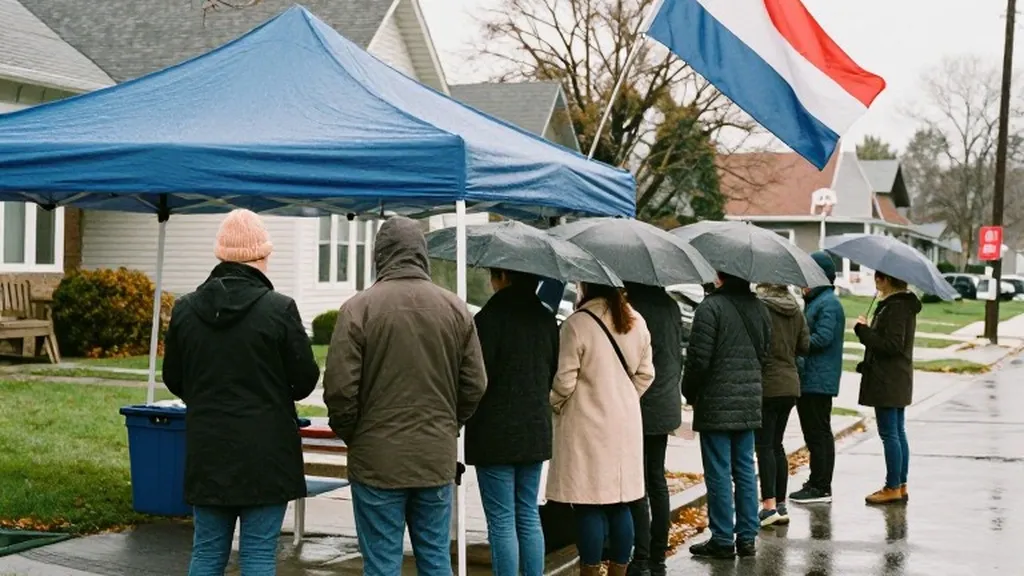
The Associated Press describes today's midterm election as a referendum on President Donald Trump's second term, noting that voters are struggling with high prices and are angry over an unpopular war with Iran. This conflict has emerged as a central issue, influencing how voters in key battleground states evaluate their options. The AP-NORC polling indicates that 35% of U.S. Adults approve of the president's job performance, while only 25% approve of his handling of the economy. About seven in 10 adults say the country is heading in the wrong direction, with most blaming the president for high prices. This sentiment is particularly acute in states where the war's economic ripple effects are felt most acutely.
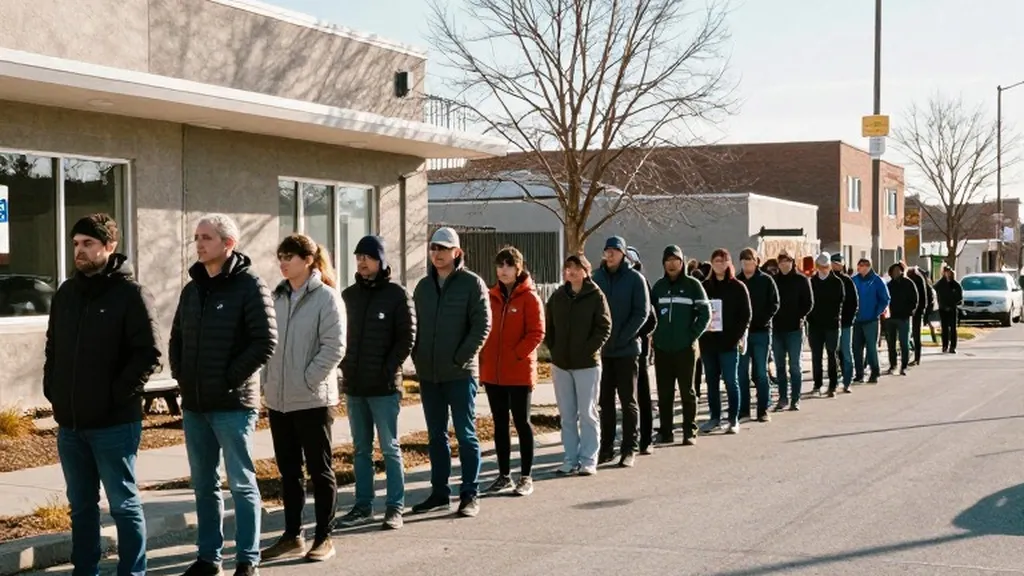
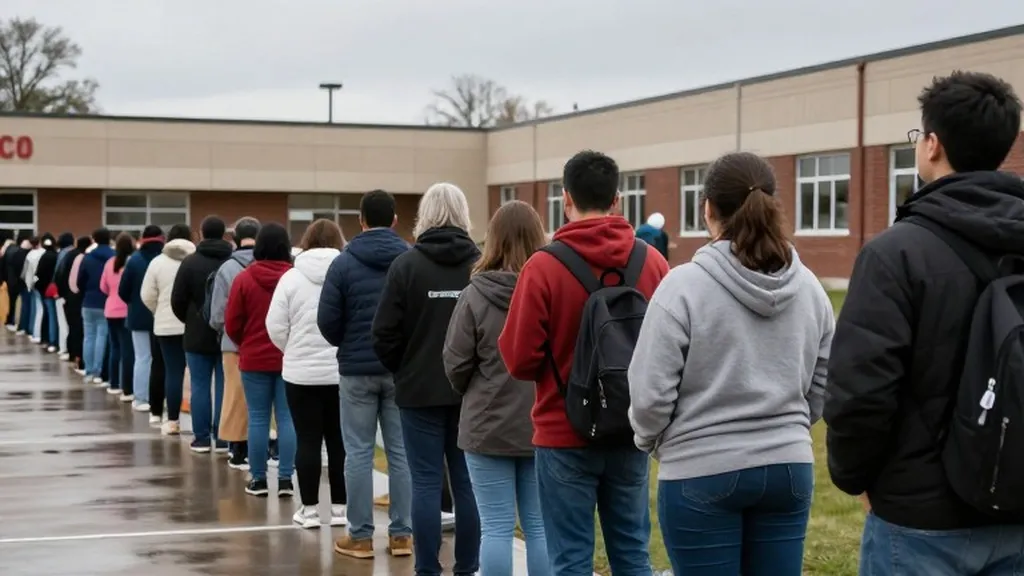
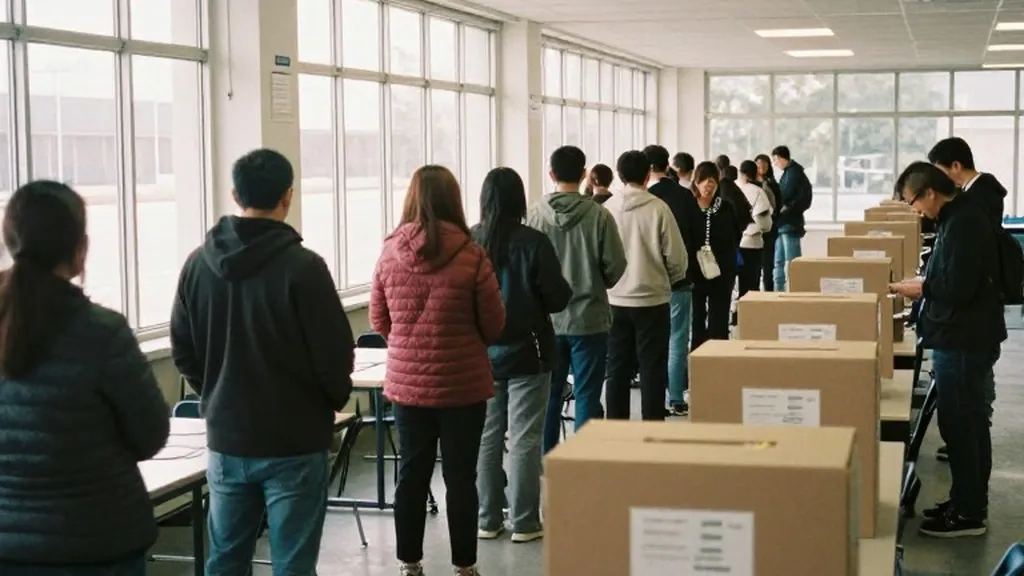
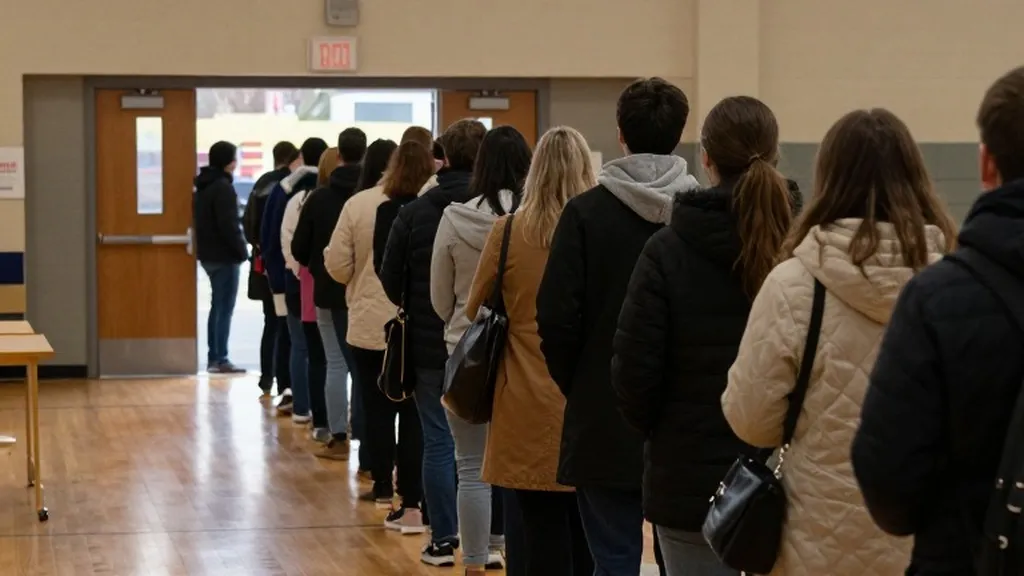
More than 57 million people had already voted as of Monday, surpassing the early vote totals of four years ago in many closely watched states. This surge in early voting suggests that economic concerns and the ongoing conflict are mobilizing the electorate early. In Palm Beach Gardens, Florida, voter Mark Barker said that he has been following Trump the whole time and believes he is doing an awesome job. However, in Raleigh, North Carolina, librarian James Moore, 57, stated that he is paying more taxes, more for his healthcare, and more for everything. These contrasting viewpoints highlight the divided national mood entering Election Day.
The war with Iran is not just a foreign policy issue but a domestic economic one for many voters. The AP notes that Republicans were bracing to lose the House and fighting to hold the Senate, with one or two seats potentially tipping either chamber. Democrats were described as cautiously optimistic, pointing to the public's anger over the cost of living. If Democrats win even one chamber, investigations and possible impeachment proceedings become likely. House Democratic Leader Hakeem Jeffries would be the first Black speaker and has outlined a 100-day agenda focused on the cost of living and oversight of the administration.
Republican committees outraised and outspent Democratic committees, helped by Trump-affiliated groups and Elon Musk, making this likely the most expensive election in history. 88.1% of Republican general election TV ad spending went to states and districts Trump won in 2024. This included more than $850 million spent in areas where he won by 10 points or more. Despite this financial advantage, many Republican candidates kept their distance from the president, who held dozens of rallies ending in Salina, Kansas, where he asked voters to pretend he was on the ballot. This strategy reflects a cautious approach to a potentially volatile electorate.
In the Senate, 35 seats are up for election, including 33 regular elections and two special elections. Republicans hold 53 seats, Democrats 45, plus two independents who caucus with Democrats. Democrats need a net gain of four seats for a majority, while Republicans can lose only two. Key battlegrounds include Maine, which is a toss-up on all four major race ratings. Economic strain and tariffs have made Maine competitive, where Sen. Susan Collins faces Democratic former state Senate President Troy Jackson. In Michigan, an open seat is contested between Republican former Rep. Mike Rogers and Democrat Abdul El-Sayed, with El-Sayed's former primary opponent Haley Stevens endorsing Rogers on Sunday.
The House race involves all 435 seats, with Republicans holding 218 and Democrats 214. Democrats need a net gain of three districts for a majority, while Republicans can lose no more than two. Ballotpedia counts 46 battleground districts, 25 held by Democrats and 21 by Republicans. Twenty-one Democratic-held districts voted for Trump in 2024, and nine Republican-held districts voted for Kamala Harris. This overlap indicates that the war and economic issues are influencing voters across party lines. The new congressional maps in six states, including California, Florida, and Texas, add complexity to the prediction of outcomes.
Governorships in 36 states are also on the ballot, with Republicans holding 26 offices and Democrats 24. Democrats would need a net gain of two governorships for a nationwide majority, which Republicans have held since 2010. In Georgia, Republican health care executive Rick Jackson faces Democratic former Atlanta Mayor Keisha Lance Bottoms. In Nevada, Republican Gov. Joe Lombardo is running against Democratic Attorney General Aaron Ford. The AP calls Texas, Florida, and Iowa competitive governor races, suggesting that the national mood regarding the war and the economy is translating into state-level contests as well.
Trump has continued to make false claims about voting fraud, including that noncitizens vote in large numbers. His administration sued in Alaska and California, and Democrats fear interference and intimidation as the Justice Department threatens to prosecute local election officials. A federal judge on Monday temporarily barred the administration from carrying out a plan to prevent noncitizen voting, while another judge ordered the administration to stop demanding that California election officials segregate ballots cast by people on its lists of suspected noncitizens. These legal moves add a layer of uncertainty to the election administration process.
The U.S. Postal Service added hours, staff, and special lines so mail ballots are counted on time, ensuring that the surge in early voting does not lead to delays. Wall Street is watching for more than control of Congress, with Reuters noting that results could add to investor concerns about AI spending and debt ceiling negotiations. The economic stakes extend beyond the ballot box, affecting markets and policy directions. As polls open in states like Alabama at 7 a.m. And close at 7 p.m., voters are making choices that will shape the final two years of the current administration.