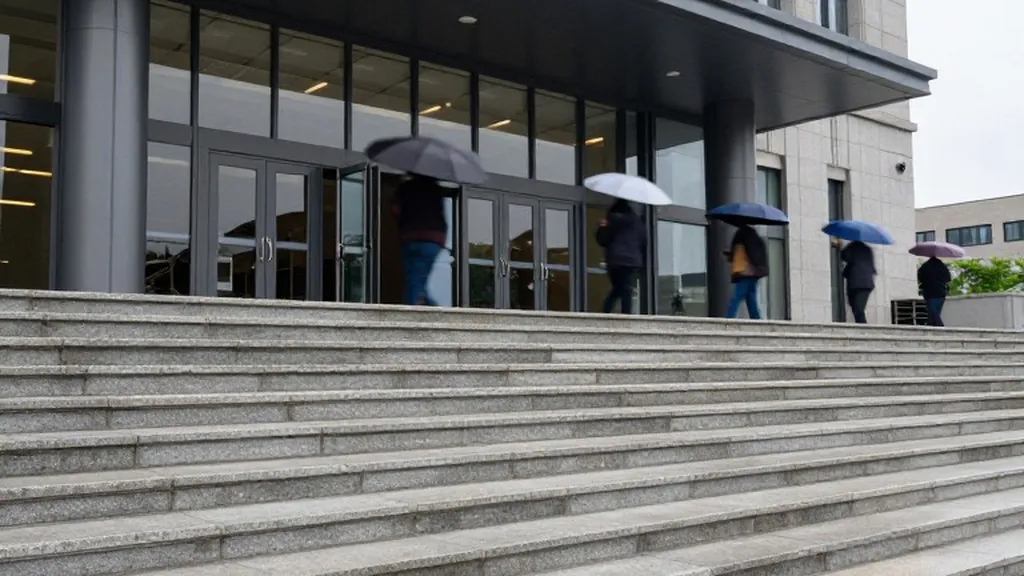
Breaking: Election Day is here! Make your selections: The fate of Congress and the cost of living are on the ballot
Voters across the nation head to the polls today to decide the balance of power in Congress, with the cost of living, health care, and the war in Iran dominating the conversation.
By Gabriela Ivanov ·
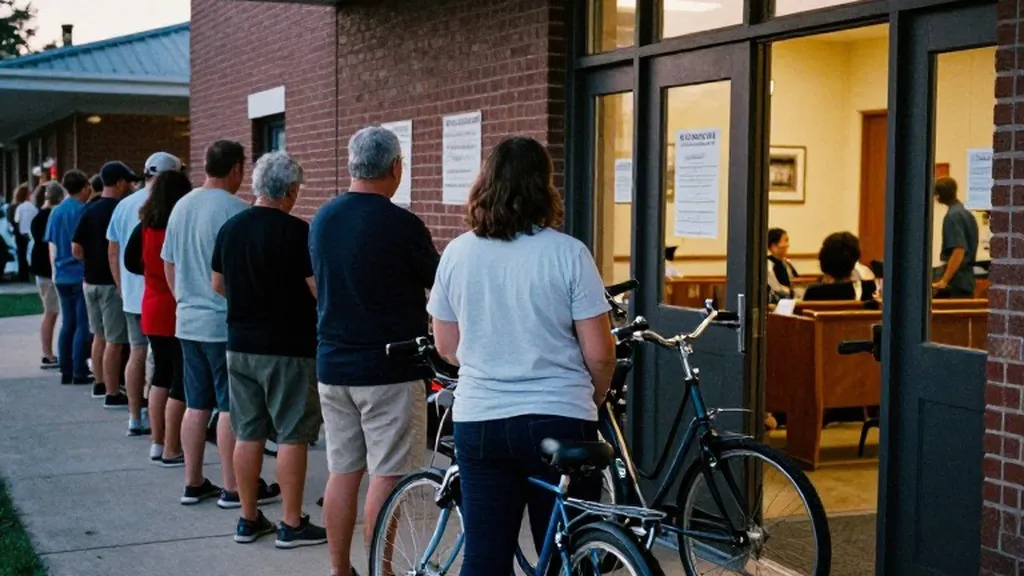
It is Election Day, Tuesday, November 3, 2026, and the polls are open as the nation prepares to choose its congressional majority for the final two years of President Donald Trump's second term. This midterm election is being framed as a referendum on the administration, with many voters expressing frustration over high prices and the ongoing conflict with Iran. The mood is defined by a struggle with the cost of living, and the outcome will determine which party holds the gavel in Washington.
At the heart of the Democratic strategy is the economic burden on families. House Democratic Leader Hakeem Jeffries has outlined a 100-day agenda focused specifically on the cost of living and oversight of the administration. DCCC Chair Rep. Suzan DelBene captured the sentiment of the day, stating, "The American people are angry. They want change." This sentiment is echoed by voters on the ground who feel the pinch of inflation in their daily lives.
In Raleigh, North Carolina, voter James Moore, a 57-year-old librarian, provided a stark example of these financial pressures. He told reporters, "I'm paying more taxes. I'm paying more for my healthcare. I'm paying more for everything." These personal accounts highlight why health care and grocery prices have become central themes for Democrats, who are urging their base to vote despite the challenges.
The stakes for the U.S. House of Representatives are high, with all 435 seats up for grabs. Republicans currently hold 218 seats, while Democrats hold 214, with one independent and a few vacancies. For Democrats to claim the majority, they need a net gain of three districts. Ballotpedia identifies 46 battleground districts, creating a tight race where every vote counts. Meanwhile, Republicans are bracing for potential losses and fighting hard to maintain their footing.
In the Senate, 35 seats are on the ballot, including 33 regular elections and two special elections to complete the terms of Marco Rubio and JD Vance. Democrats hold 45 seats and need a net gain of four to take control of the chamber. Republicans hold 53 seats and can afford to lose only two. The race is particularly intense in states like Georgia, Michigan, and North Carolina, where the margins are thin and the campaigns have been aggressive.
Governorships are also a major focus, with 36 races on the ballot. Democrats are aiming to hold a majority of governorships for the first time in two decades. They currently hold 24 offices, while Republicans hold 26. In key states like Michigan and Wisconsin, Democrats are defending their leadership, while Republicans are trying to expand their reach in states like Ohio and Texas. The outcome in these races will shape the state of the union for the next two years.
One of the primary obstacles for Democrats is the financial advantage held by Republican committees. Republican committees have outraised and outspent Democratic committees, boosted by Trump-affiliated groups and Elon Musk. A staggering 88.1% of Republican general election TV ad spending went to states and districts that Trump won in 2024. This money advantage has allowed Republicans to dominate the airwaves in many key areas.
Redistricting has also played a role in shaping the landscape. Six states, including California, Florida, and Texas, are using new congressional maps following mid-decade redistricting. While Republicans hoped these new maps would help them beat the typical midterm pattern of the president's party losing seats, the new districts may not vote as drawn. This uncertainty adds another layer of complexity to an already volatile election.
Voters are also watching the administration's actions on voting rights. A federal judge temporarily barred the Trump administration from a plan to prevent noncitizen voting, a move critics say risks disenfranchising eligible voters. Additionally, the administration was ordered to stop demanding that California election officials segregate ballots cast by people on lists of suspected noncitizens. These legal battles have raised concerns about interference in the election process.
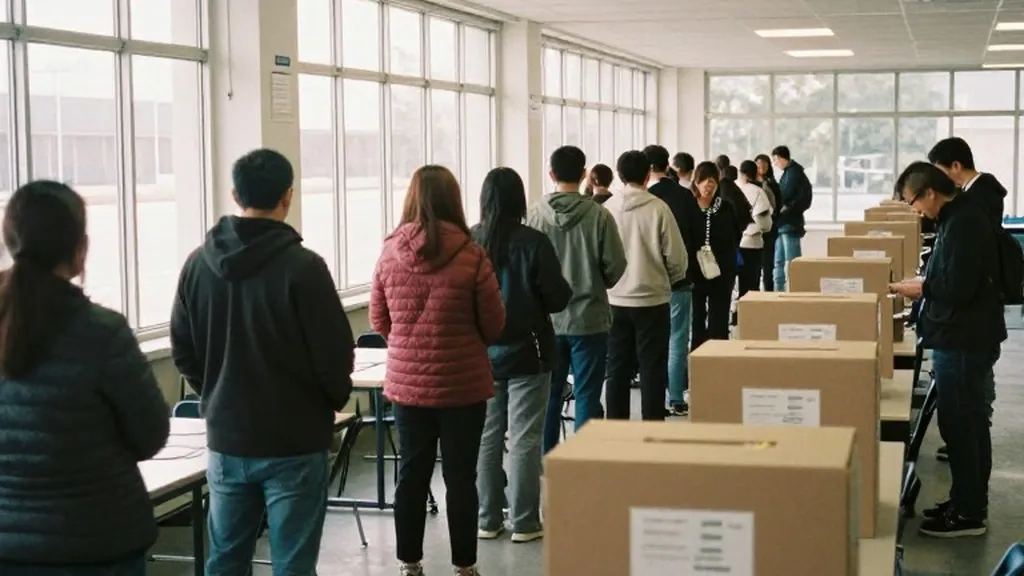
Despite the challenges, the turnout has been robust. More than 57 million people had already voted as of Monday, surpassing the early vote of four years ago in many closely watched states. This high level of participation suggests that voters are engaged and motivated to make their voices heard. The U.S. Postal Service has added hours and staff to ensure that mail-in ballots are counted on time, reflecting the importance of every single ballot.
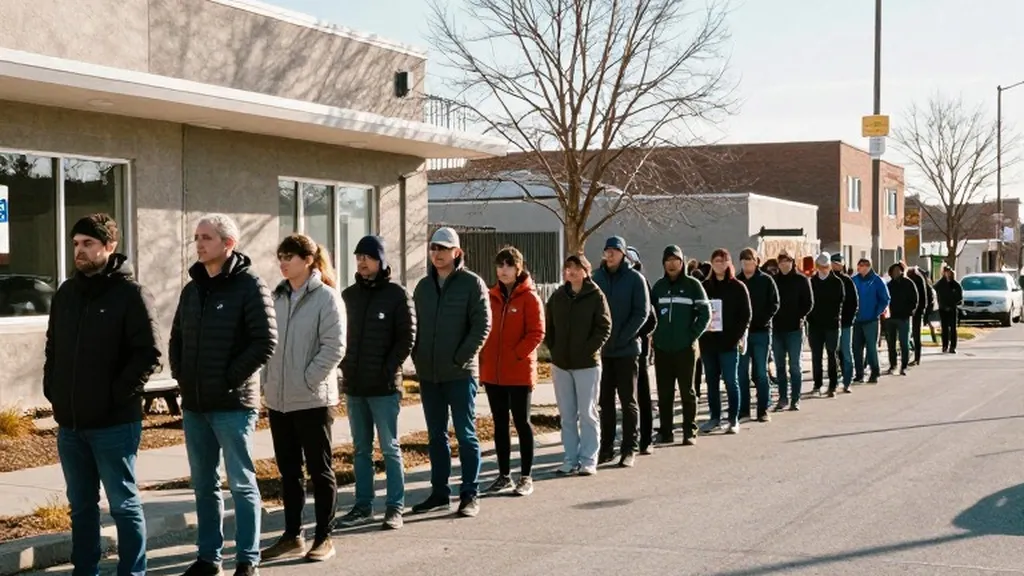
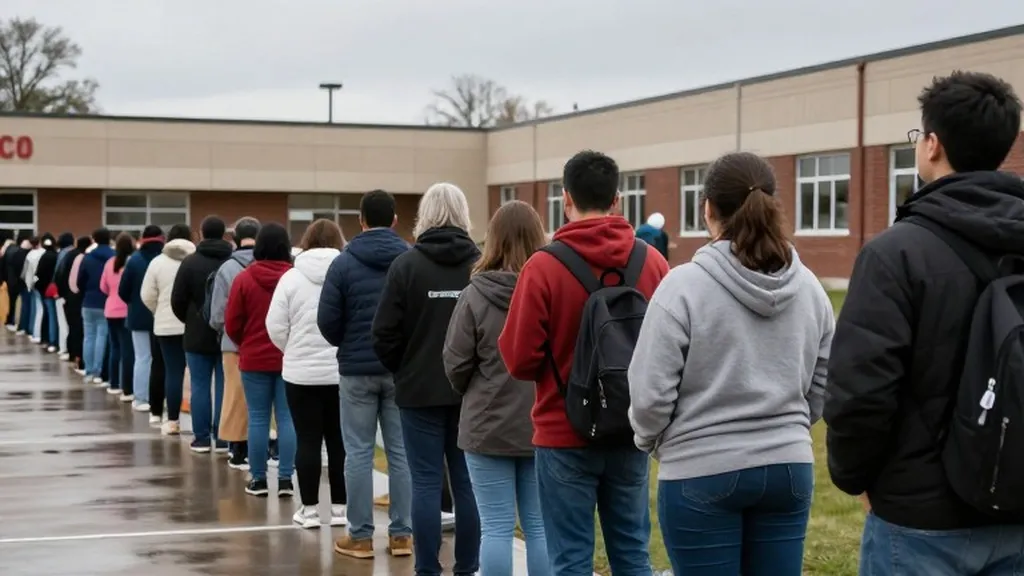
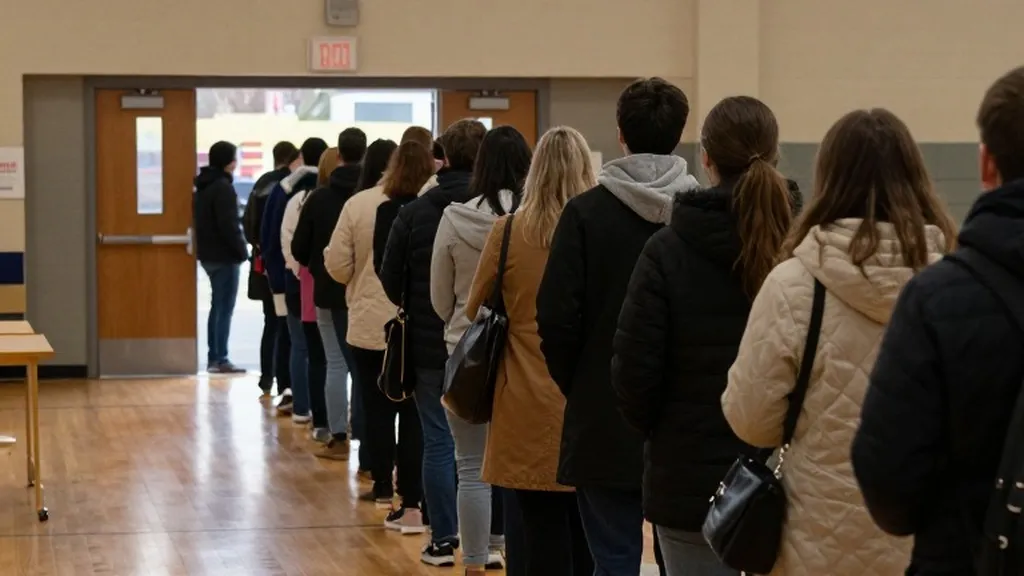
For those voting today, it is essential to know your polling place and hours. You can find your local polling place at vote.gov or your state election office. Polling hours vary by state, so it is important to check the specific times for your area. For example, in North Carolina, polls are open from 6:30 a.m. To 7:30 p.m., while in Texas, they are open from 7 a.m. To 7 p.m. Remember that anyone in line when the polls close is entitled to vote, so do not hesitate to join the queue.
As the day unfolds, the nation will be watching closely to see how the vote breaks. The results will determine the direction of the country for the next two years, with significant implications for the cost of living, health care, and oversight of the administration. Whether Democrats can overcome the Republican money advantage and redistricting hurdles will be the defining question of the day. Stay tuned for updates as the votes are counted and the results begin to come in.
This election is more than just a change in leadership; it is a decision about the future of the country. Voters are making their selections with a clear understanding of the stakes, and the outcome will shape the policies that affect their lives. As the polls close, the nation will hold its breath, waiting to see which party will emerge with the power to lead the country forward.
In the end, the power rests in the hands of the voters. By showing up and making their selections, they are determining the balance of power in Congress and the direction of the nation. The cost of living, health care, and the war in Iran are not just political issues; they are daily realities for millions of Americans. Today, they have the opportunity to speak their minds and shape the future of their country.