Energy Policy: Democrats Plan Push to Lower Bills
New congressional leadership aims to restore clean energy incentives while President Trump vows to use his veto power aggressively.
By Ana Castro ·
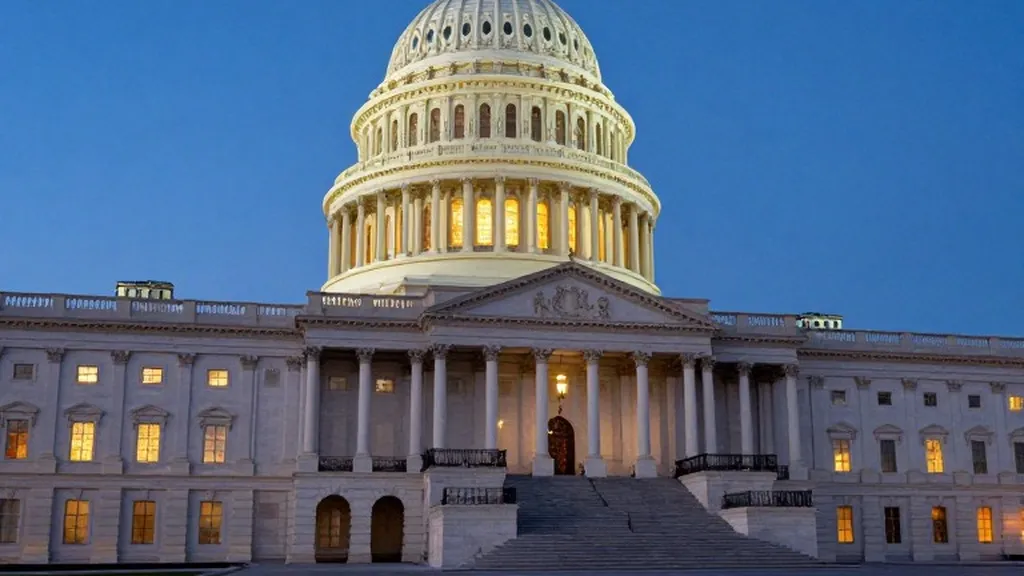
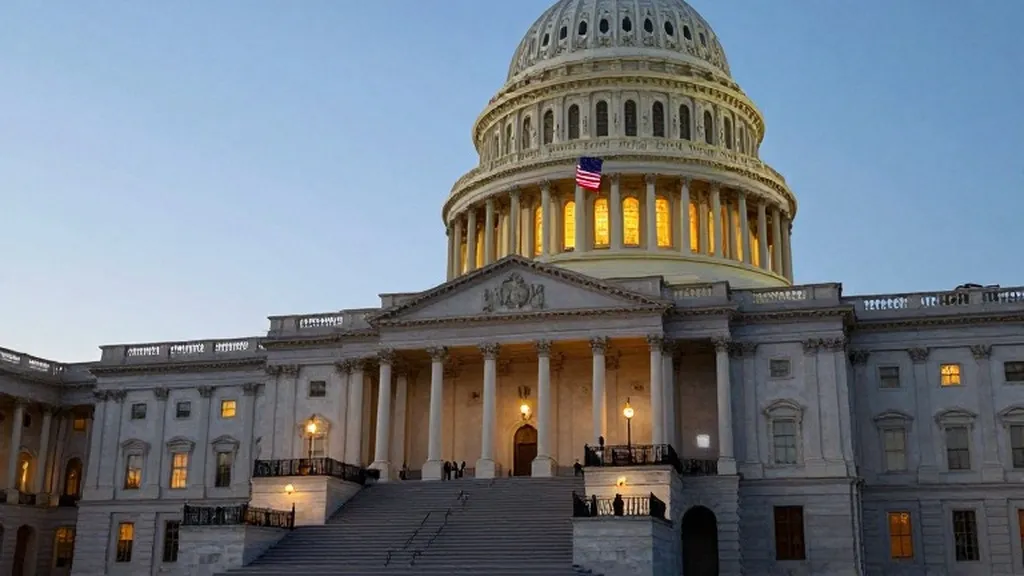
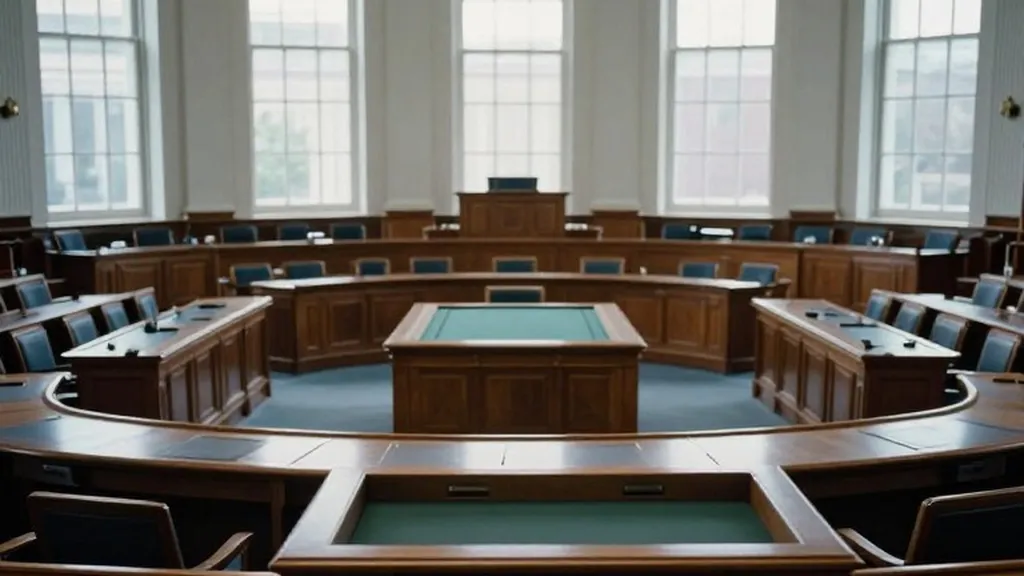
Democrats hold new majorities in the House and Senate following last week's midterms and plan to prioritize clean energy to reduce consumer costs. President Donald Trump stated he will use his veto power aggressively to block legislation, though he predicted he and Democrats will eventually find ways to work together.
The party’s agenda includes launching investigations into climate policy rollbacks and the elimination of green energy grants by the Republican administration. These efforts aim to restore renewable energy incentives that were previously cut. Democrats will also target healthcare access, trade tariffs, and the Iran war, though clean energy remains a core component of their platform.
Sen. Sheldon Whitehouse of Rhode Island, the top Democrat on the Senate Committee on Environment and Public Works, said Trump’s attacks on clean energy raised prices for taxpayers. He stated, "We will work every angle to lower consumers’ energy costs, and we will demand accountability for the massive corruption wrought by Trump’s fossil-fuel donors."
Enacting major changes will be difficult because Democrats lack the votes to override presidential vetoes. Lisa Sachs, director of the Columbia Center on Sustainable Investment, noted that the vote was for affordability and opportunity. She said, "The wins give Democrats more leverage over spending and more political power to advance a coherent agenda; the question is whether they’ll use that power effectively."
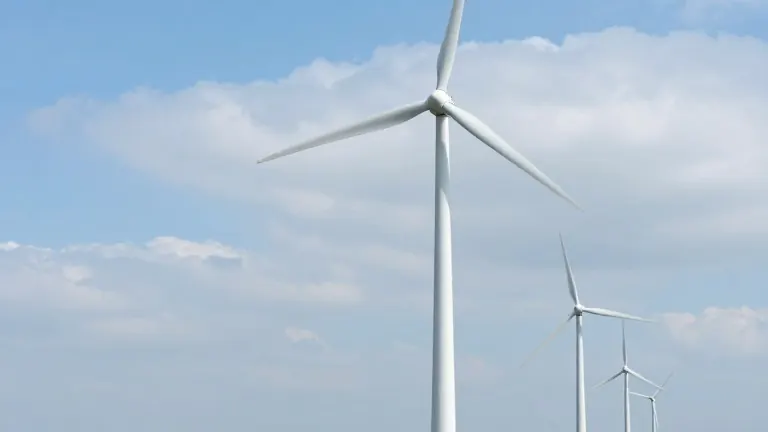
The White House said in a statement Wednesday that Trump is committed to unleashing reliable, affordable, and secure energy sources. He is willing to work with anyone to accomplish this goal. Trump specifically dislikes offshore wind, although developer Orsted reported that the Revolution Wind farm in federal waters off Rhode Island has started operating commercially.
Former Sen. Byron Dorgan of North Dakota said Trump is likely to keep pushing his energy issues. He predicted the president will be forced to give some room for a new Congress to recreate a different strategy that will add clean energy. Meanwhile, the administration has reshaped the Environmental Protection Agency to reverse pollution limits and promote fossil fuels.
State action may provide a path forward as Democrats won governorships in Texas and Georgia. Jay Inslee, a former Washington governor, said these victories are a powerful instrument for the United States to join the rest of the world. He expressed hope that people will pay attention to the big progress being made on a state-level basis, even if federal legislation faces stalemates.