Trump's $5,000 Dividend Fizzles as Democrats Seize Both Chambers of Congress
The president's promise of checks for every adult, conditioned on Republican control, faces a new reality after a sweeping Democratic victory reshaped the map in Washington.
By Gabriela Ivanov ·
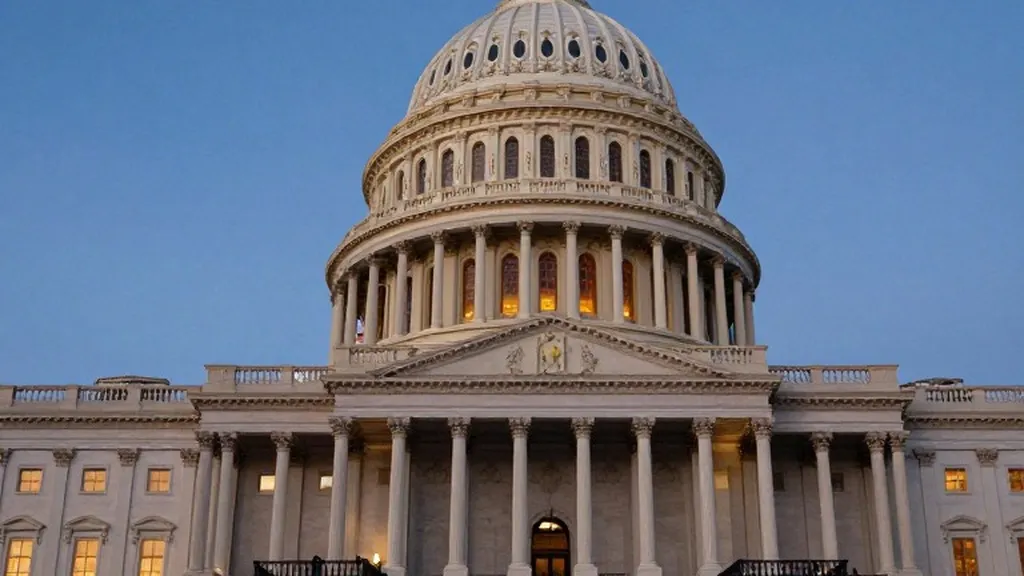
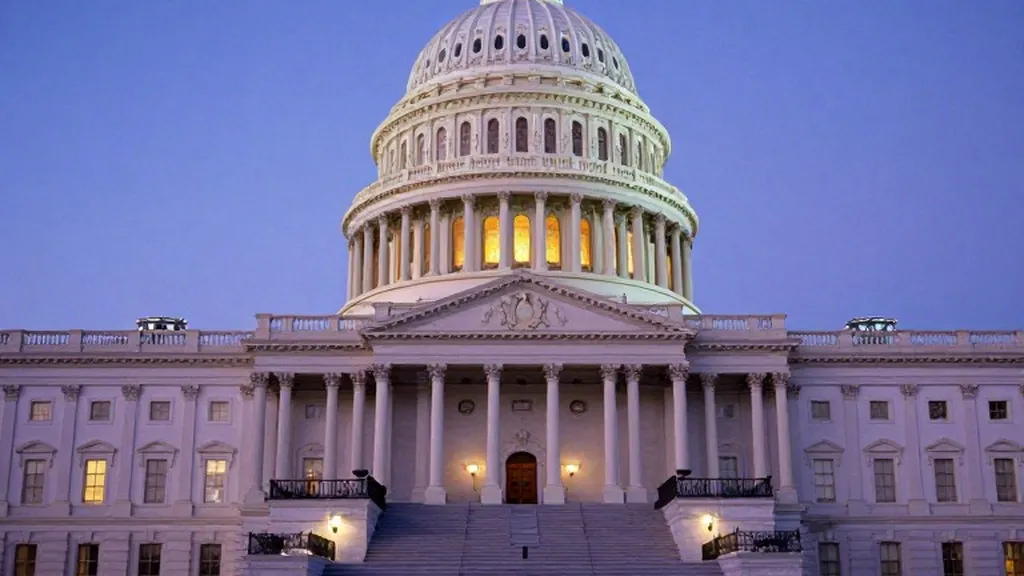
President Donald Trump’s pledge to send $5,000 to every American adult if Republicans maintained control of Congress has effectively vanished from the political landscape. The offer, which he branded the "Trump Dividend" during a speech at the Republican Midterm Convention in Dallas last week, was explicitly tied to the GOP holding both the House and Senate. On Tuesday, voters delivered a decisive rebuke, electing Democrats to majorities in both chambers and flipping the balance of power in Washington.
Democrats won control of the U.S. Senate and the U.S. House, delivering a shockingly decisive rebuke of Republican governance. In the Senate, Democrats secured 20 of the 35 seats on the ballot, while Republicans won 13, with two seats remaining uncalled. In the House, Democrats are projected to win a majority, with 223 seats called compared to 133 for Republicans. This outcome means the specific condition for the dividend, Republican control of both chambers, has not been met.
During his nearly two-hour address in Dallas, Trump told the crowd, "If the Republicans win the House of Representatives and the United States Senate, both of them.. I will issue a dividend to every adult citizen in the United States of America for $5,000." He compared the payment to companies distributing cash to shareholders and cited the country's economic success as the rationale. The promise was a central part of the GOP campaign strategy, aimed at energizing voters who were frustrated with the cost of living and the war in Iran.
However, the path to delivering these checks was fraught with legal and fiscal hurdles even before the election. House Speaker Mike Johnson, R-La., stated on Sunday that congressional approval was needed to make the payments a reality. "I would assume, yes, he'd need Congress to act, and that's a creative idea," Johnson said. This comment contrasted with Trump’s earlier remarks to CBS News Texas, where he suggested Congress might not need to authorize the spending, though he did not specify how he would spend more than $1 trillion without lawmakers' sign-off.
PolitiFact analyzed the proposal and found that the biggest payment is far from certain. The fact-checkers noted that the White House announced no formal plan for the checks and that fiscal experts cast doubt on the feasibility during a time of existing economic challenges. The payment could cost the federal treasury more than $1 trillion, a figure that would strain the national budget significantly. PolitiFact highlighted that while Trump cited tariff revenues as a funding source, the One Big Beautiful Bill Act tax and spending bill did not include a separate tariff dividend.
Bipartisan criticism of the plan emerged in the days before the election. Some Republicans questioned the price tag, with Texas Congressman Chip Roy writing on social media that "Dependency is evil and soul-sucking in all its forms." Election law expert Rick Hasen of the UCLA School of Law noted that while the promise is likely legal under the First Amendment as a campaign promise, Trump does not have the unilateral power to execute it. "He doesn't have the power to do this on his own. You have to get Congress to do it," Hasen said.
The economic context for the promise was tense. The Associated Press reported that consumer prices rose 3.6% in September from a year earlier, and the economy faced persistent inflation and increasing interest rates. Trump argued that the payments would be possible because of the strong economy, stating, "We can easily handle that because we're taking in so much money." However, a July poll from the AP-NORC Center for Public Affairs Research found that only one-third of U.S. Adults approved of how Trump was handling the presidency, with many citing the cost of living as a crucial factor in their voting decision.
With Democrats now controlling both chambers, the legislative process for the dividend changes significantly. Speaker Johnson had pledged to work to get the proposal through Congress despite a small Republican margin, saying, "I commit that Congress will work through it and find consensus on that like they have to do everything else." Now that the House is in Democratic hands, the proposal must navigate a chamber that had previously expressed skepticism about the administration's economic policies and spending priorities.
The Democratic victory was characterized as a wave election, with wins in states that were long considered reliably Republican. Kansas, South Carolina, Texas, Ohio, and Iowa all backed Democrats for the U.S. Senate. In Texas, Democratic candidates swept to power, with no Democrat having won a statewide race in the state since 1994. This shift in state power adds another layer of complexity to federal spending, as Democratic governors may fight for a stronger defense against the president's second-term agenda.
The fate of the $5,000 checks remains uncertain as the new Congress prepares to convene. While Trump declared before boarding Air Force One that "The 5,000's going to happen, 100%," the structural requirements for the payment have not been satisfied by the election results. The administration has not released detailed plans on how citizens would receive the money or exactly where the funds would come from, leaving the promise in a state of political limbo as the new leadership takes office in January.
The results represent a durable tectonic shift in the political map, potentially reshaping the path to the presidency. For voters who hoped the dividend would alleviate financial hardship, the outcome raises questions about whether the promise was a strategic bid to buy votes or a genuine policy proposal. As the new Congress forms, the focus will likely turn to the immediate challenges of the budget deficit and the ongoing economic pressures facing American households.