Trump's $5,000 Dividend: A Vote Buyer or Fiscal Reality?
With Democrats now controlling Congress, the feasibility of the president's election-night promise faces immediate legislative hurdles and bipartisan scrutiny.
By Giulia Donovan ·
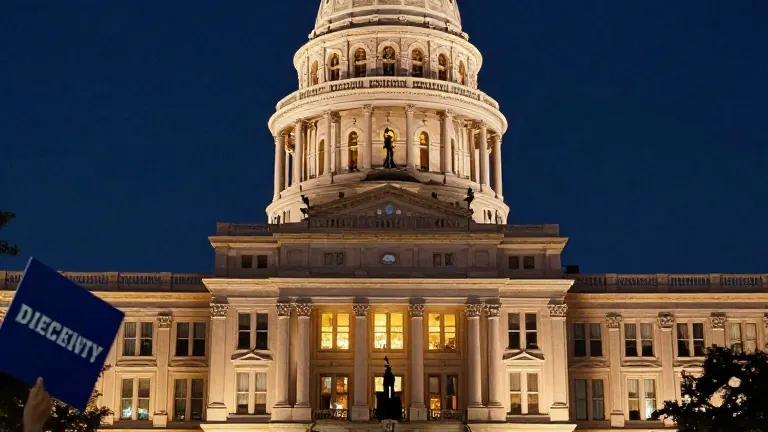
President Donald Trump promised a $5,000 "Trump Dividend" to every adult American citizen if the Republican Party maintained control of both chambers of Congress during the 2026 midterm elections. The pledge, made at the Republican Midterm Convention in Dallas, was conditioned on a GOP victory in the House and Senate. However, Democrats have since won control of both chambers, shifting the balance of power in Washington and altering the legislative landscape for this proposal.
House Speaker Mike Johnson stated the payment requires congressional approval. Johnson, who will not seek reelection as House Republican leader following the Democrats' win, said he would work to get the proposal through Congress despite the party's loss. He described the idea as creative and pledged that the legislature would work to find consensus on the matter.
The potential payout could cost more than $1 trillion. This figure would add to the country's nearly $1.8 trillion annual budget deficit. The Associated Press reported that Trump said he did not think Congress would need to authorize the payments, though he did not specify how he could spend such a large sum without lawmakers' authorization.
PolitiFact found that the biggest payment is far from certain, noting that the administration has announced no formal plan for the checks. The organization highlighted that fiscal experts cast doubt on the plan during a time of existing economic challenges. The White House press release provided no details on how Americans would receive the money, and the timing remains unclear.
Vice President JD Vance said that some of the money for the dividend would come from tariff revenue. However, the Tax Foundation estimated that the cost of the checks would spend almost all the revenue that new tariffs are projected to bring in over a decade. The Tax Foundation noted that U.S. Tariff revenue would not be able to cover the cost of the dividend checks based on their estimates.
Democratic Sen. John Fetterman made a surprise video appearance at the Dallas convention, where he introduced his Senate colleague. The Associated Press reported that the potential payout raised questions from some about whether the president was trying to buy votes. Election law expert Rick Hasen of UCLA said that if a state tried to prosecute Trump for the promise, courts would likely say the activity is protected by the First Amendment as a campaign promise.
The AP Voter Poll found that about 6 in 10 voters disapprove of how Trump is handling the presidency. The poll also indicated that views of Trump's priorities were mostly negative. Trump told reporters before boarding Air Force One in Ireland that the $5,000 payment was going to happen 100 percent, emphasizing his confidence in delivering on the promise despite the election results.
Speaker Johnson appeared on CNN's State of the Union and NBC's Meet the Press to discuss the proposal. He said he would assume the president needs Congress to act. The Associated Press noted that Johnson pledged to try to make the dividend happen, calling Trump the big ideas president and committing to implement everything the party can.
The economy is confronted by persistent inflation and increasing interest rates. Trump argued that payments would be possible because of the strong economy, citing high revenue intake. However, consumer sentiment is weak as gasoline prices rise because of the war with Iran and wages struggle to keep pace with inflation.
PolitiFact cited Sen. Bernie Moreno of Ohio, who said he would introduce legislation to fund the proposal. The organization noted that political analysts say such legislation is unlikely to attain the required 60-vote supermajority in the Senate. The Associated Press reported that the payment could cost the federal treasury more than $1 trillion, exacerbating concerns of inflation.
Trump made the unusual pitch at the party's midterm convention in Dallas last week. He compared the dividend check to successful companies distributing cash to shareholders. The Associated Press noted that the president later said that he did not think Congress would need to authorize the payments, creating a discrepancy with Speaker Johnson's earlier comments.