GOP Loses Both Chambers, Leaving 500 Bills Stalled in Senate
Democratic gains of 260 House seats and 56 Senate seats have triggered internal disputes over policy failures and procedural gridlock.
By Ana Castro ·
The Republican Party lost control of both the House and Senate in last Tuesday's midterm elections, handing Democrats a legislative majority for the final two years of the Trump administration. The shift in power leaves more than 500 bills passed by the House sitting idle in the Senate, creating an immediate legislative backlog that members say requires urgent resolution before the new session begins.
The electoral defeat was unexpected in its scale. Prior to voting, few analysts predicted such a wide margin of loss for the GOP. In the coming session, Democrats are projected to hold approximately 260 seats in the House. In the Senate, the Democratic caucus is expected to reach 56 seats. These numbers mark a decisive reversal from the starting point of the current Congress and place the burden of legislative failure on the party that held power for the previous two years.
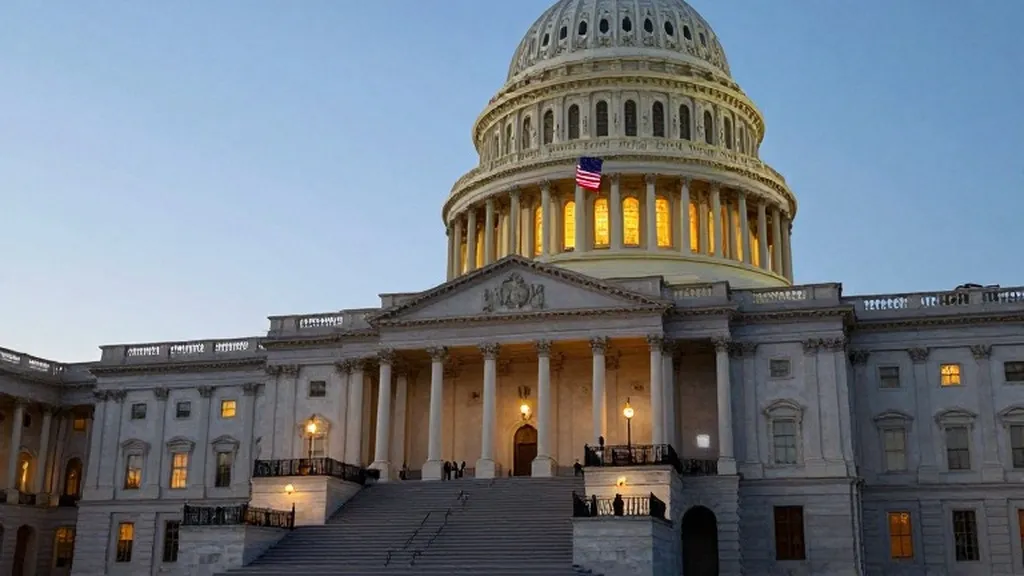
Lawmakers returned to Washington on Monday to begin a period of internal review. The atmosphere in the Capitol was marked by frustration rather than celebration for the few Republicans who retained their positions. Representative Richard McCormick of Georgia described the mood in the House chamber as one of anger. He noted that members were openly discussing spending patterns, fundraising tactics, and the effectiveness of campaign messaging. Representative Troy Nehls of Texas was more direct, stating that Congress deserved an F on its performance report card for the election year.
Disputes over responsibility have already emerged within the party. Some members, including Senator Josh Hawley of Missouri, argue that the House leadership bore the brunt of the blame because the Senate failed to act on legislation. Nehls emphasized that over 500 bills, which he described as America First priorities, were sent to the Senate and left untouched. Other members, such as Senator John Cornyn of Texas, pointed to President Trump's immigration enforcement actions. Cornyn suggested that the aggressive use of ICE alienated voters who initially supported the president for border security.
Representative Jason Smith of Missouri, chair of the House Ways and Means Committee, proposed delaying the election of new GOP leadership. He wrote on social media that the conference needs time to understand why it lost voter trust. Smith also called for a review of House rules that allowed members to vote against internal party directives. He argued that addressing these structural issues is necessary before selecting a new leader to guide the minority caucus.
The next step involves a formal assessment of the party's rules and strategy before the leadership contest concludes. Some defeated members, including Representative Jeff Van Drew of New Jersey, are already planning to return to the race in 2028. Van Drew cited high gas prices, ongoing conflicts in Ukraine and Iran, and internal party disagreements as key factors in the loss. The party must now decide whether to delay leadership changes to allow for this internal restructuring or move forward immediately with new elections.