Starlink speeds jump to 250 mph after weeklong cap
Ukrainian officials confirm satellite internet speeds have returned to pre-restriction levels, resolving a technical bottleneck that affected military logistics and drone operations.
By Giulia Donovan ·
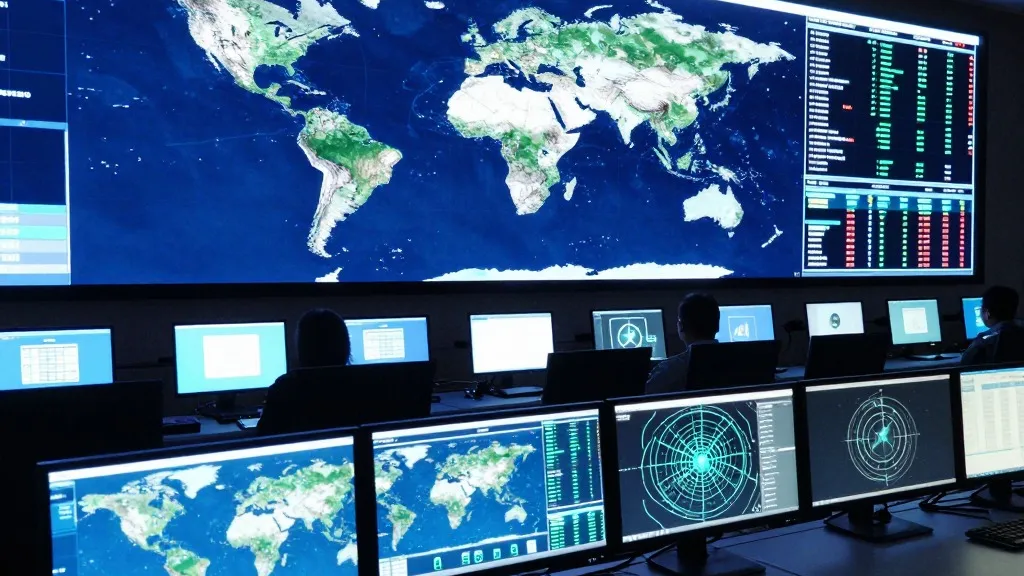
SpaceX’s satellite division has restored standard transmission speeds for Ukraine’s military and civilian networks following a period of throttled service. President Volodymyr Zelenskyy announced on Saturday that the Starlink and Starshield systems are operating at full capacity, marking the end of a disruption that lasted more than one week. The move stabilizes a critical digital infrastructure layer that supports the ongoing conflict.
The Defense Ministry confirmed that monitoring systems now show stable connectivity exceeding 250 megabits per second. During the previous week, bandwidth was limited to approximately 100 megabits per second. Officials stated that the lower threshold created significant friction in intercepting aerial threats and disrupted the flow of data essential for mission planning. The return to higher speeds removes a technical constraint that had been identified as a vulnerability in the defense chain.
Zelenskyy noted that the restored speeds are critical for maintaining operational efficiency. He highlighted the network’s role in coordinating drone strikes, managing supply chains for food and water, and maintaining communications along the front line. The system also plays a defensive role against Iranian-made Shahed drones utilized by Russian forces. The restoration ensures that these logistical and combat functions can proceed without the latency issues experienced during the slowdown.
Defense Minister Yevhen Khmara attributed the resolution to direct diplomatic engagement by the president. He emphasized that the fix benefits the entire operational structure, from front line communications to broader logistics. Zelenskyy expressed gratitude to American counterparts, specifically citing members of Congress, the State Department, and President Donald Trump for their involvement in the process.
The speed restrictions have been a source of diplomatic friction between Washington and Kyiv. Ukrainian officials previously indicated they believed the U.S. government directed the changes. Elon Musk stated on social media that Starshield is owned by the U.S. government, with speed limits determined by the military and the president. This clarification added context to the technical adjustments observed by users in Ukraine.
The Trump administration has not officially confirmed that it ordered the slowdown. Speaking to reporters on Friday, President Trump declined to identify who issued the directive. He maintained a supportive stance toward Musk, describing him as a fair person who would not act incorrectly. The ambiguity surrounding the origin of the restrictions has kept the issue in the public eye despite the technical resolution.
The restoration of service coincides with a renewed push for diplomatic engagement. Russia has agreed to a trilateral meeting with Ukraine and the United States scheduled for next month. Additionally, the parties have agreed to a localized ceasefire in the occupied city of Oleshky. The White House stated that First Lady Melania Trump helped broker this arrangement, which includes provisions for humanitarian aid and civilian evacuation.
Military operations continue in other regions despite the diplomatic developments. On Saturday, Ukrainian forces targeted a chemical plant in the Russian city of Tolyatti. In a separate incident, a Russian drone struck a residential building in Kyiv’s Obolon District, causing a fire. These events underscore that while digital infrastructure has been stabilized, the physical conflict remains active.
The return to normal speeds provides a clearer picture of the network's performance under pressure. The period of restricted bandwidth highlighted the dependency of modern military operations on high-speed satellite data. As peace talks move forward, the reliability of this communication backbone will likely remain a focal point for both technical and diplomatic discussions.
More Business · World news · Buyer Beware · Report a business · Got a Story?