Tesla Withdraws: Cybertruck Discontinued in Australia and New Zealand
Seven years after deposits were collected, Tesla has voided reservations for its electric pickup in the Pacific region, citing the costs of right-hand-drive production.
By Ana Castro ·
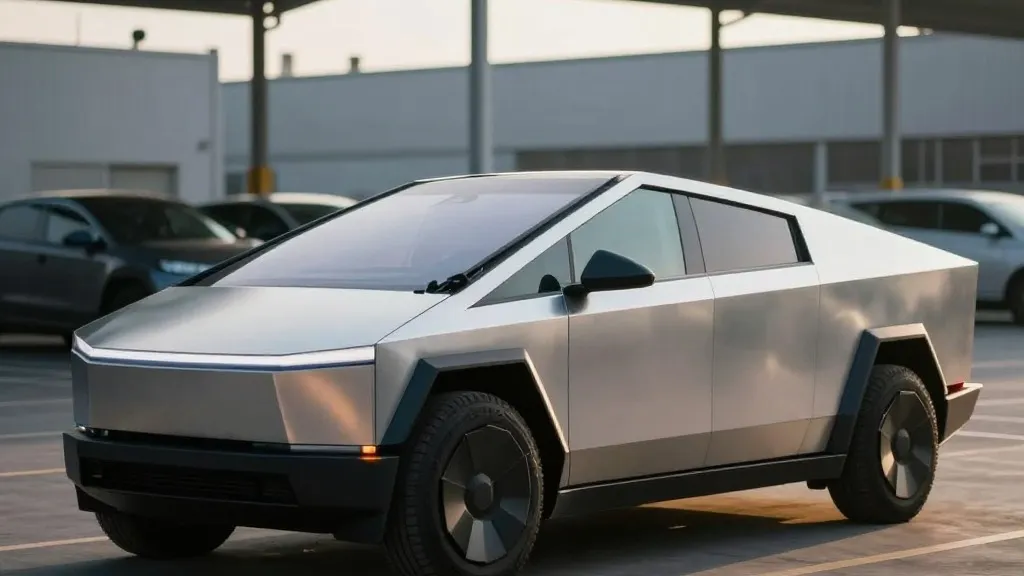
Tesla has formally ended the Cybertruck project for Australia and New Zealand, leaving thousands of reservation holders with cancelled orders and full refunds. The automaker sent emails to affected customers on Thursday, confirming that plans to produce the vehicle for these markets have been discontinued. This decision marks the end of a long wait for buyers who have been holding deposits since late 2019.
The primary reason for the withdrawal appears to be the significant engineering investment required to make the truck compatible with right-hand-drive markets. Tesla’s pickup is currently built exclusively for left-hand drive configurations. Australia, New Zealand, the United Kingdom, and Japan all require right-hand-drive vehicles, with Australia additionally demanding specific certification under its own design rules. For a vehicle facing softening demand in North America, the cost of re-engineering the platform for two markets with a combined population of roughly 33 million people may no longer be justifiable.
Australians began paying A$150 in reservations for the electric pickup in November 2019. For nearly seven years, these customers waited while Tesla navigated production challenges. In May 2022, the company quietly closed the Australian reservation page, replacing it with a button to sign up for updates, but it did not issue refunds at that time. Customers were left to wait while the truck’s specifications and pricing evolved. In 2024, Tesla shipped a unit to Australia for a display tour, and CEO Elon Musk told shareholders that the vehicle might be certified for other markets the following year. That deadline passed without a right-hand-drive version being produced.
The timing of the announcement comes just one day after Tesla reported its third-quarter 2026 earnings. The financial data provides context for the strategic shift. Tesla delivered 8,295 units categorized as 'Other Models' in the third quarter. Since production of the Model S and Model X has ended, this category now consists almost entirely of Cybertruck sales. Estimates suggest actual Cybertruck sales were between 7,000 and 8,000 units last quarter, equating to an annual pace of roughly 30,000 units. This is a significant drop from the production line’s target capacity of 250,000 units per year.
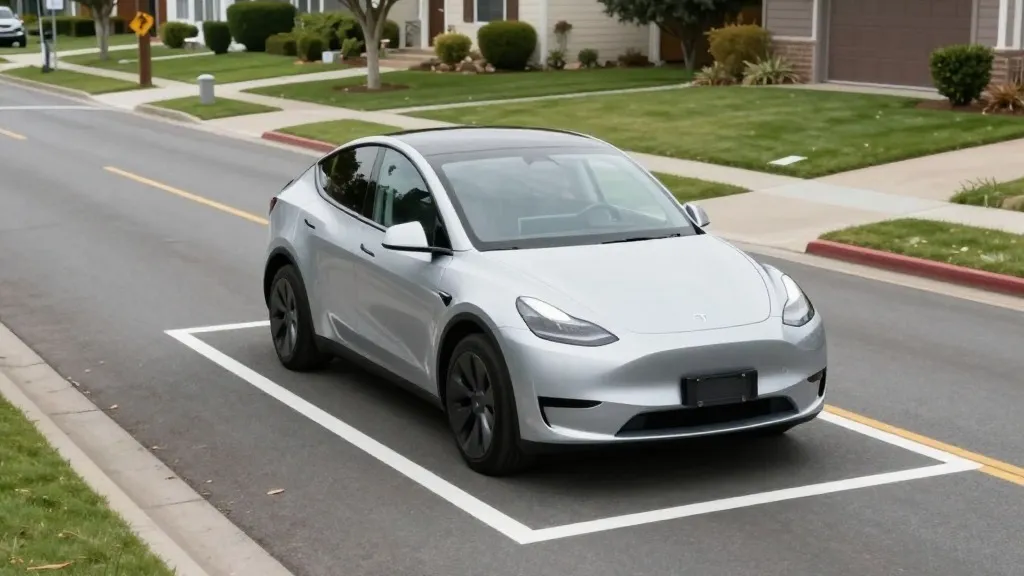
Tesla has attempted to soften the blow for disappointed reservation holders by offering a free one-year subscription to Full Self-Driving (Supervised). This incentive is available if customers choose to order a new Model 3 or Model Y instead. These sedans and SUVs are currently manufactured in right-hand drive configurations, allowing Tesla to convert a cancelled pickup reservation into a sale of a vehicle it can already deliver locally.
The international footprint of the Cybertruck has been limited to left-hand-drive regions. Deliveries began in South Korea late last year, followed by the United Arab Emirates in January. Configurations for the truck are also available in Saudi Arabia, Qatar, Jordan, and Israel. The vehicle remains blocked from entering the European Union primarily due to concerns regarding pedestrian safety. These existing markets align with the truck’s current production capabilities, avoiding the need for new engineering work.
Data from 2020 suggested Australia was a significant potential market, ranking third in reservations behind the United States and Canada. It accounted for approximately 3% of all global Cybertruck reservations. By 2023, crowdsourced tracking indicated total reservations had reached around 2 million globally, though Tesla has never officially confirmed these regional figures. The volume of interest did not, however, translate into the sustained demand needed to justify the additional engineering costs.
The situation highlights a growing perception that the Cybertruck is becoming a niche product focused largely on the American market. While US sales have declined from approximately 39,000 units in 2024 to a lower figure today, the international expansion strategy seems to focus on finding buyers for existing left-hand-drive units rather than adapting the vehicle for new regions. Many Australian reservation holders may have already cancelled their pre-orders, as the current model is more expensive and offers less range than originally promised.
Tesla stated that full refunds for any payments made will be processed within 30 days. The email notification to customers was brief, noting that after careful consideration, the company was unable to fulfill the reservations. This final step resolves a pending uncertainty for those who have held onto their deposits for years, effectively closing the chapter on the Cybertruck in the Pacific region.
The move underscores the financial realities facing electric vehicle manufacturers. As demand shifts and production lines are optimized for higher-volume models, specialized vehicles may struggle to secure the resources needed for complex international adaptations. For Tesla, the decision prioritizes liquidity and immediate sales of available right-hand-drive models over the long-term engineering project of bringing a left-hand-drive pickup to a right-hand-drive market.
More Business · Buyer Beware · Report a business · Got a Story?