The Hidden Cost of the Moon: A Surging Launch Requirement for Artemis
New internal estimates suggest NASA may need nearly two dozen Starship flights to fuel a lunar lander, raising questions about the program's timeline.
By Giulia Donovan ·
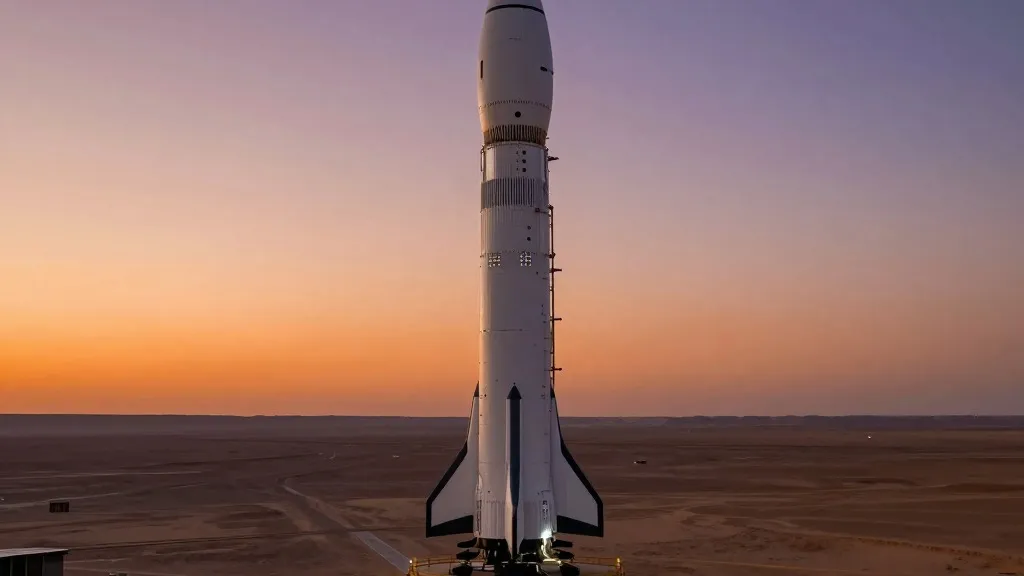
NASA officials are now working with a startling new figure regarding the logistics of the Artemis program. The latest internal estimate suggests that 22 Starship launches will be required to fully fuel a lunar lander for a crewed mission to the Moon. This number, which has remained closely guarded by the space agency, marks a significant shift from previous projections and raises serious questions about the feasibility of landing astronauts on the lunar surface within the current decade.
Until recently, the exact number of refueling flights needed in low-Earth orbit was a subject of quiet debate within the agency. NASA has historically treated this metric with extreme caution, often comparing its secrecy to the handling of nuclear codes. The core issue is the amount of liquid oxygen and methane propellant required for a Starship-based lander to travel to the Moon, land, and return to lunar orbit. For years, the agency’s public stance has been one of deliberate ambiguity, with officials often stating that they do not have a firm answer and are therefore reluctant to commit to a specific count.
In 2023, Lisa Watson-Morgan, who served as the director of NASA’s Human Landing System, acknowledged this uncertainty in an interview. She noted that while the agency had a general understanding of the requirements, she was hesitant to provide an exact figure. Later comments from her suggested the number fell within the range of high single digits to low double digits. This earlier estimate implied approximately a dozen launches, a figure that already represented a substantial logistical undertaking for SpaceX.
Under that earlier model, SpaceX would need to launch one depot Starship and approximately 11 tanker Starships to complete the refueling process. However, other officials have previously cited figures in the high teens, reflecting the ongoing uncertainty in the calculations. The prevailing hope among planners was that SpaceX would achieve dramatic improvements in the lift capacity of the Starship rocket. Such advancements were expected to reduce the total number of tanker flights needed, thereby streamlining the operation and lowering the overall risk and cost of the mission.
Current concerns within NASA suggest that these anticipated improvements may not materialize soon enough to keep the timeline on track. There is a growing worry that the Starship rocket may not achieve the necessary performance boosts in time to play a meaningful role in returning humans to the Moon this decade. This shift in perspective indicates that the agency is now preparing for a more resource-intensive scenario than previously anticipated.
The new estimate became public during the quarterly meeting of the NASA Aerospace Safety Advisory Panel held on Thursday. Panel member Charlie Precourt, a former NASA astronaut, discussed the various risks associated with the Artemis program and the challenges of landing humans on the Moon. His presentation highlighted the complexities involved in managing the high volume of launches required to support the mission.
The move to a higher launch count signals a potential recalibration of the program's operational strategy. It underscores the technical hurdles still facing the development of the Starship system and the integration of its components into NASA's broader lunar architecture. As the agency moves forward, the balance between technological advancement and schedule adherence will be critical.
Looking ahead, the implication of requiring 22 launches is profound for both NASA and its commercial partner. It suggests a longer period of activity in low-Earth orbit and a greater dependency on the reliability of the Starship fleet. This development provides a clearer, if more demanding, picture of what is needed to achieve the goal of a sustained human presence on the Moon.
NASA continues to refine its plans as it navigates these logistical challenges. The upcoming months will likely see further discussions on how to manage the increased launch cadence and ensure that the necessary infrastructure is in place. For now, the number 22 stands as a benchmark for the scale of effort required to fulfill the promise of Artemis.