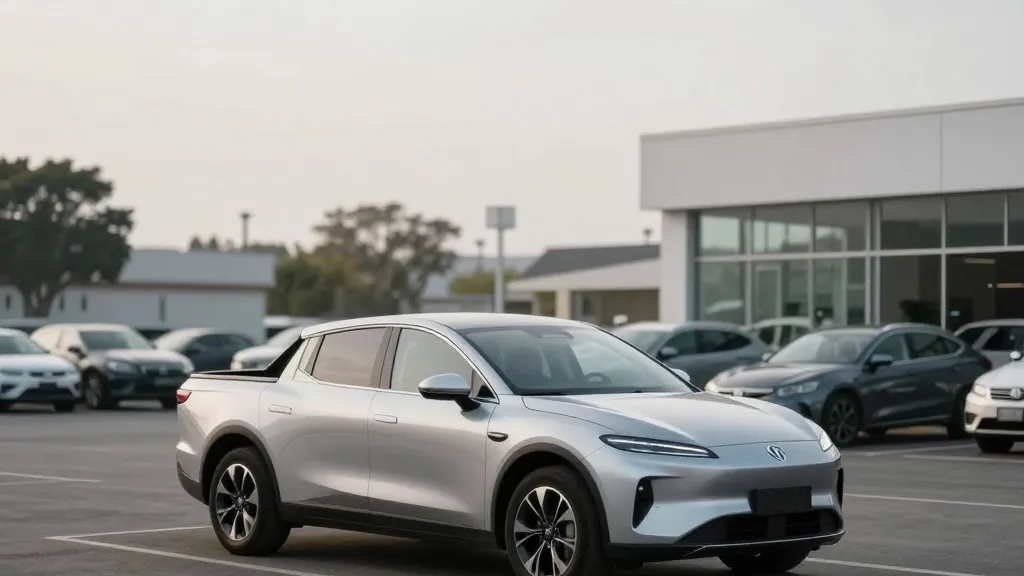
2026: The Final Year for Initial Cybercab Customer Deliveries
Tesla confirms that private buyers can expect to receive the two-seater robotaxi before the end of the current year, although most units will initially support the company's internal fleet.
By Gabriela Ivanov ·
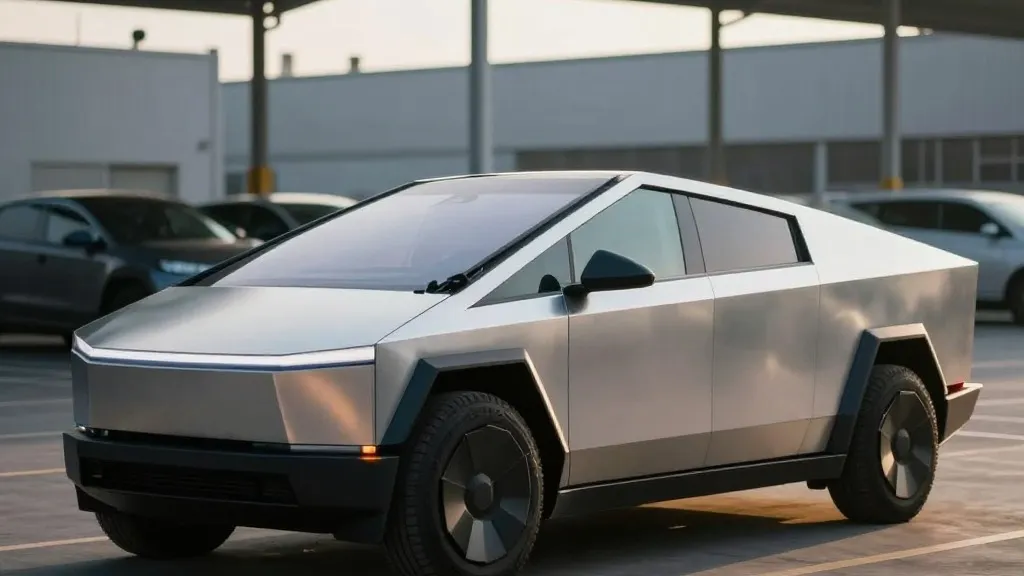
For consumers in California and elsewhere who have been waiting for a clear timeline on Tesla's newest vehicle, the uncertainty surrounding the Cybercab has finally ended. The company has established a definitive target for when the first private buyers can take possession of the two-seater robotaxi. This new schedule resolves long-standing questions about whether the fully autonomous vehicle would be available to the general public in the near term.
During the third-quarter 2026 earnings call held on October 21, Lars Moravy, the Vice President of Engineering, provided the specific timeframe for these initial releases. He stated that the company is striving to place Cybercabs into the hands of customers before the end of 2026. This announcement marks a significant shift from previous vague estimates, offering a concrete deadline for the vehicle's entry into private ownership.
Despite the imminent customer availability, the current production focus remains heavily tilted toward Tesla's internal operations. Moravy confirmed that manufacturing is actively underway at the Gigafactory Texas. However, he noted that every unit currently rolling off the line is being assigned to Tesla's own internal Robotaxi fleet rather than being sold directly to individuals. This strategy allows the company to maintain strict control over the early deployment of the technology.
The transition to private sales is expected to begin slowly as the company refines its logistical and operational processes. Moravy explained that initial deliveries will be small in scale. This gradual rollout is designed to help Tesla gain experience in several critical areas, including delivery logistics, various ownership models, fleet management, and the operation of autonomous vehicles outside of the company's direct supervision.
CEO Elon Musk further clarified the nature of the Cybercab's market position during the same call. He emphasized that the vehicle is primarily intended as a transport-as-a-service offering rather than a traditional personal car like the Model 3 or Model Y. Musk stated that the vast majority of Cybercab units will remain Tesla-owned. This approach contrasts with the company's other models, which are typically designed for individual private ownership.
The Cybercab itself is a distinct departure from Tesla's existing lineup. It is a two-seater vehicle that lacks a steering wheel and pedals, relying entirely on the company's Full Self-Driving suite. Production of the vehicle began in February, and early units were integrated into the public Robotaxi service in early September. Tesla has previously indicated that the target price for the vehicle is approximately $30,000.
While the path to customer delivery is now defined, several challenges remain. Ashok Elluswamy, Tesla's Head of AI, indicated during the call that unsupervised Full Self-Driving is expected to ship to consumer cars during the second quarter of 2027. Consequently, early Cybercab buyers or fleet operators may face geographically restricted autonomous capabilities due to the pace of regulatory approvals. These hurdles must be addressed as the company moves toward its year-end delivery goal.
More Business · Buyer Beware · Report a business · Got a Story?