Saudi Defense Chief Arrives in Tehran for Trilateral Security Talks
Khalid bin Salman joins Pakistani and Turkish officials in a meeting with Iranian leaders to test the new Mecca Joint Defense Agreement.
By Giulia Donovan ·
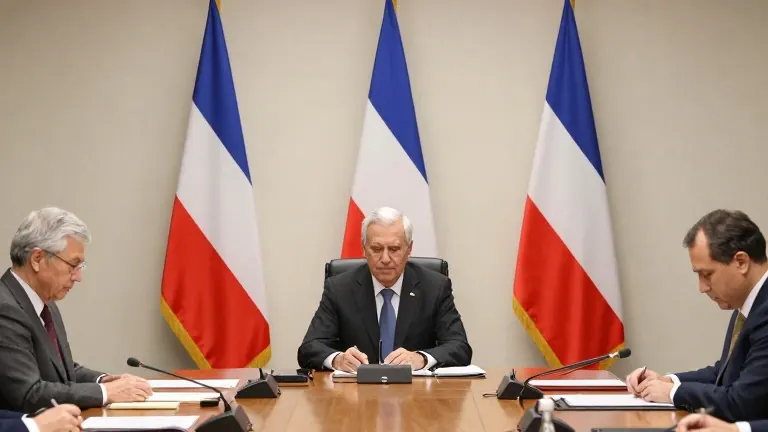
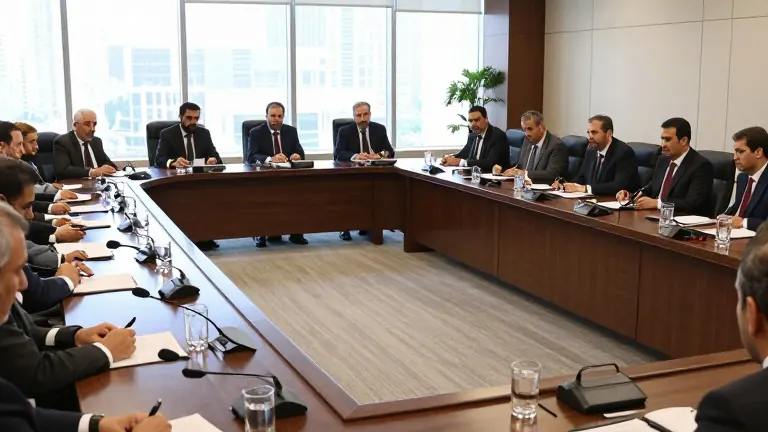
Saudi Arabia’s Defense Minister Khalid bin Salman arrived in Tehran on October 26. He is leading a delegation that includes Field Marshal Asim Munir from Pakistan and Ibrahim Kalin from Turkey’s intelligence service. These three nations signed a new security pact in August. Their arrival marks the first high-level meeting between the Mecca pact members and Iran.
The agreement was signed on August 7, 2026. Saudi Crown Prince Mohammed bin Salman, Turkish President Recep Tayyip Erdogan, and Pakistani Prime Minister Shehbaz Sharif signed the document in Mecca. It creates a trilateral security alliance with a collective defense clause. An armed attack against one member is treated as an attack against all three. The pact also calls for joint exercises, intelligence sharing, and cooperation in defense technology. Turkey published the full text in October to move toward parliamentary ratification.
Doubts arose after Houthi attacks on Saudi Arabia. Critics asked whether Turkey and Pakistan would come to Riyadh’s aid. The Tehran talks aim to answer that question with practical arrangements. Iran’s Foreign Ministry Spokesperson Esmaeil Baghaei called the meeting a key step toward regional diplomacy. He said the region can achieve stability only by working together. This message suggests a preference for local solutions over outside military intervention.
The United States and Israel have stated that the war with Iran will continue. President Donald Trump has endorsed Israel’s prime minister to remain in power to keep fighting. Iran reads these public signals carefully. The presence of the Saudi, Pakistani, and Turkish delegation implies these countries believe war can be postponed. This contrasts with the immediate military expectations some analysts hold for the new pact.
NATO, which the Mecca pact loosely resembles, has not engaged in many wars in its 77 years. It functions largely through training, shared operations, and consensus building. Saudi Arabia is a cautious state. Turkey has become more conservative since 2022. Pakistan remains cautious despite recent border clashes. These traits suggest the alliance focuses on diplomacy and pragmatic meetings rather than immediate battlefield coordination.
Saudi Arabia’s Deputy Minister for Public Diplomacy, Dr. Rayed Krimly, said the talks aim to ease regional tensions. He noted the meeting will be held with Iranian President Masoud Pezeshkian and Mohsen Rezaei, Secretary-General of the Supreme National Security Council. Riyadh views this as part of ongoing efforts to de-escalate the current situation and encourage dialogue.
The Strategic Political and Defense Committee established by the pact will coordinate these efforts. The three nations bring together nuclear-armed Pakistan and NATO member Turkey. The outcome of the Tehran talks will determine if the agreement functions as a diplomatic tool or a military shield. The leaders are in the city to negotiate those specifics.