Student List begins Serbian government talks
The leaderless movement wins a decisive vote after two years of campus blockades, forcing a end to 14 years of rule by President Aleksandar Vucic.
By Ana Castro ·
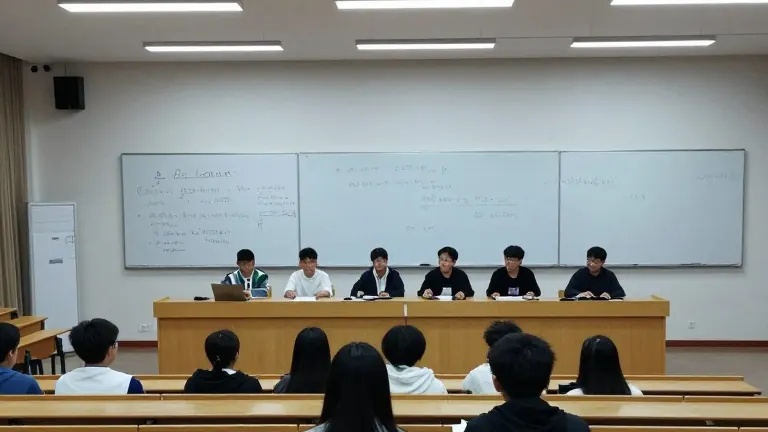
Serbia's new government is being formed by a leaderless student movement that defeated the ruling party on Sunday. The Student List has begun negotiations to build a cabinet, marking the first time in over a decade that the opposition has displaced President Aleksandar Vucic. This victory ends a two-year nationwide struggle that began on university campuses and eventually reshaped the country's political landscape.
The movement gained momentum after 16 people died in a train canopy collapse at a newly renovated station in 2024. Students blamed local elites for corruption and mismanagement that eroded living standards. They also criticized international corporations for feeding that corruption while offering low-quality jobs with little room for social advancement. The group stayed independent, refusing to align with any domestic party or the four major global powers: Russia, China, the European Union, and the United States.
From 2024 through 2026, students blockaded and occupied universities across Serbia. Higher education came to a standstill as they took over buildings. They established their own internal structures to run affairs at these sites. At the Faculty of Technical Sciences in Novi Sad, which serves more than 16,000 students, the facility was transformed. Student guards controlled entrances with metal fencing and communication equipment. LED screens in corridors displayed schedules for alternative lectures and plenaries.
Inside the occupied buildings, students created functional communities. Kitchens, reading rooms, and medical supplies were organized and stocked. Student nurses tended to those in need. A student-run administration handled daily operations. Discussions on political and economic issues were common. These sessions often involved 300 to 400 students and lasted five or six hours. Topics covered during these debates later formed the core of the Student List's electoral program.
By March 2025, the students called for the creation of citizens' assemblies to support their demand for justice regarding the 16 deaths. As government repression increased, the movement made its first public demand for snap elections. They applied the same principles of independence and transparency to their candidacy process. Decisions were made collectively through a network of assemblies and local committees rather than a central party headquarters.
The selection of candidates avoided established politicians. The group rejected leadership-based politics in favor of direct participation. Candidates were chosen after interviews with student groups. In one session near Novi Sad, 300 students questioned each candidate while phones were kept outside the room. The final list included an equal number of men and women and represented various university regions.
The Student List's electoral program included a clear stance on foreign policy. It condemned the genocide in Gaza and stated the new government would not be complicit in it. This position creates a direct conflict with the policies of the Vucic administration. Under Vucic, Serbian arms exports to Israel jumped from $3.3 million in 2023 to $126 million in 2025. In September, Vucic opened a factory for the production of Israeli drones.
Implementing the program requires halting these arms exports at a minimum. This move would extend political change into the economic sphere and challenge Serbia's position in the wider geopolitical order. It could provoke resistance from domestic vested interests and foreign partners. The Student List faces the complex task of managing these tensions while undoing the damage of the past 14 years.
External forces have already intervened. US-based conservative influencers framed support for Vucic as a defense of Serbia's Christian identity during the final days of the campaign. The Conservative Political Action Conference is set to open a Serbian chapter in November, with Vucic expected to play a central role. The new government will test its ability to maintain its principles while navigating these domestic and international pressures.
The Student List has started its work immediately. Negotiations to form the government are underway. The outcome of these talks will determine whether the movement can translate its electoral mandate into concrete policy changes.