Putin targets miners and investors in new tax package to fund war
The 2027-2029 budget introduces windfall levies on mining profits and higher rates on investment income as the state deficit widens.
By Ana Castro ·
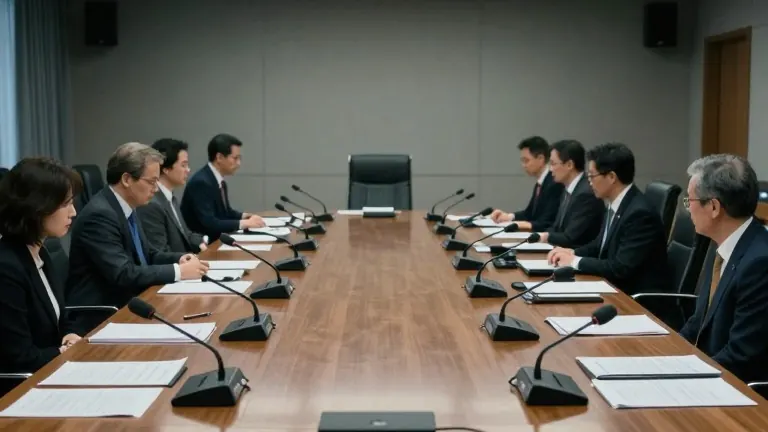
President Vladimir Putin will present a 2027-2029 state budget to the Russian parliament on Thursday, a plan that imposes new taxes on mining companies and wealthy individuals to offset a growing fiscal shortfall.
The revenue measures target a narrow slice of the economy, focusing on extractive industries and higher-income earners, after the previous fiscal year saw a broad-based increase in value-added taxes.
Russia’s budget deficit reached 5.8 trillion rubles, approximately $72 billion, through August, a figure nearly 50 percent higher than the same period last year and above the government’s revised target of 4.8 trillion rubles, according to the Kyiv School of Economics.
The shortfall stems from increased military spending and slow economic growth driven by sanctions, high interest rates for civilian firms, labor shortages, and Ukrainian strikes on oil infrastructure.
The new budget proposes a 20 percent to 30 percent windfall tax on mining firms that have benefited from rising prices for iron ore, nickel, and gold. It also raises tax rates on income from interest, dividends, and property sales to a range of 13 percent to 22 percent.
Current rates tax such income at 13 percent for amounts under 2.4 million rubles and 15 percent above that threshold. Additional measures take effect on January 1, including a 100-ruble fee per online parcel and 22 percent VAT on foreign goods valued under 200 euros.
A 35 percent tax will apply to dividends paid into restricted accounts for foreign investors from countries labeled as unfriendly by Moscow.
Citizens in Moscow expressed a mix of complaint and acceptance regarding the new financial burden. Denis Bystrov, 39, stated that the state needs to collect more from ordinary people to fill state coffers. Nelly Godunova, 92, noted that she has given much to the country and believes those who earn must give back.
Sergei Sukachev, who identified his age as almost 70, said he understands the money is directed toward the military operation and intends to hold on as a businessman.
Chris Weafer, CEO of consultancy Macro-Advisory Ltd., said Russia has enough financing to cover deficits through 2028 but at the expense of higher costs for households and businesses. He explained that the budget is now primarily funding the military, leaving less capital for infrastructure and general economic development.
The state also seized a subsidiary of German retailer Metro, tapping it for a one-billion-ruble, or $12 million, contribution to the war effort. Metro AG headquarters said the donation does not reflect its position, while the Russian branch stated the funds would purchase vehicles, communications devices, and anti-drone equipment for troops.
Government data projects economic growth of 0.6 percent of GDP this year, with unemployment at a record low. Finance Minister Anton Siluanov estimates the deficit will remain around 3 percent of GDP, comparable to the European Union average, though the Kremlin faces limited options for borrowing due to sanctions and a dwindling National Wealth Fund, which holds only 1.7 percent of GDP in liquid assets.