Gas prices above $4 hit Republicans ahead of Nov. 3 vote
Voters in swing states cite fuel costs as a primary reason for shifting their vote, despite President Trump's dismissal of the economic impact.
By Gabriela Ivanov ·
The conflict in Iran has lasted nearly eight months, defying the initial timeline set by the White House. This prolonged engagement now poses a direct threat to the Republican Party’s bid to hold Congress.
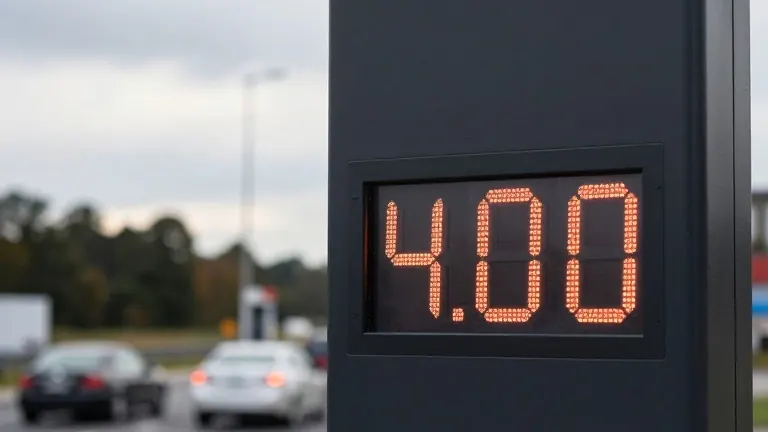
President Donald Trump launched the war in March, describing it as a "little detour" that would conclude in a matter of weeks. By October, the national average for gasoline had remained above $4 per gallon since mid-June. Diesel prices are hovering near all-time highs, a trend that particularly affects workers in logistics and transportation.
The financial strain has altered voter behavior in key states. Noor Dubow, a 44-year-old dispatcher in Columbus, Ohio, voted early for Democrats this cycle. He cited frustration with the administration’s handling of the conflict and the resulting rise in fuel costs. Dubow noted that he has a clear view of how surging prices disrupt the economy from his job at a trucking logistics firm.
The conflict has expanded beyond the initial front lines. Iran-backed Houthi rebels attacked Saudi Arabia’s oil infrastructure and airports. A Saudi-led coalition responded with strikes on Houthi-held territory in Yemen. The State Department announced over the weekend that it is reducing staffing at four U.S. embassies in the Middle East. Officials cited intelligence suggesting Iran is targeting American personnel.
Republican strategists have raised alarms internally for months. In June, after a brief interim ceasefire, officials appeared confident. That agreement collapsed within weeks. Internal polling then showed that House districts Trump won easily in 2024 were becoming competitive. Campaign officials in battleground races reported that voters were linking the war to higher grocery and travel costs.
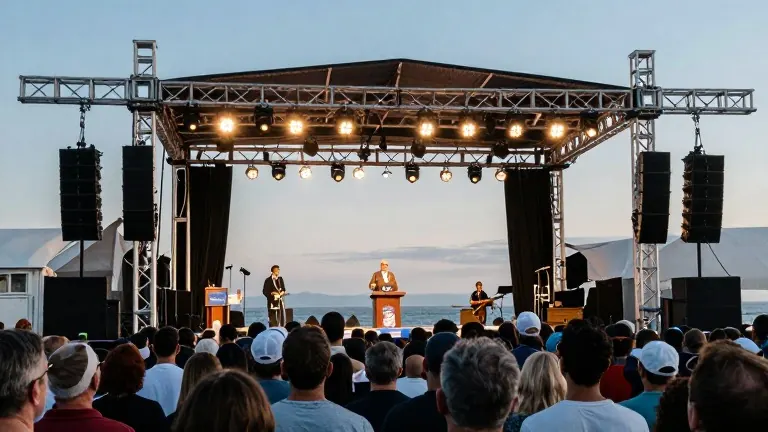
Trump has downplayed the economic fallout during recent rallies. In Michigan, he told supporters he had no regrets about launching the war. He argued that gas prices had not doubled or tripled as he had feared. "It’s a small price to pay for taking a nuclear weapon away from maniacs," Trump said.
An AP-NORC poll published last week found that voters from both parties want the next Congress to prioritize affordability and end the war. Christopher Borick, director of the Lehigh University Opinion Observatory, said Trump’s messaging resonates with a shrinking group of voters. He noted that the president’s claims are not changing the negative outlook of those disappointed by the conflict’s direction.
The Nov. 3 election will test the durability of Republican support in states like Iowa, Kansas, Ohio, and Texas. Some conservative voters, such as Sean O’Brien, a student in Alabama, are reconsidering their party alignment. O’Brien, who attended the Conservative Political Action Conference earlier this year, said he expects to vote Democratic due to disillusionment with the war.