Honda plant in Ohio marked the start of Japanese car production in America
A 1982 milestone in Marysville, Ohio, changed the automotive industry by bringing foreign manufacturing to U.S. soil.
By Ana Castro ·
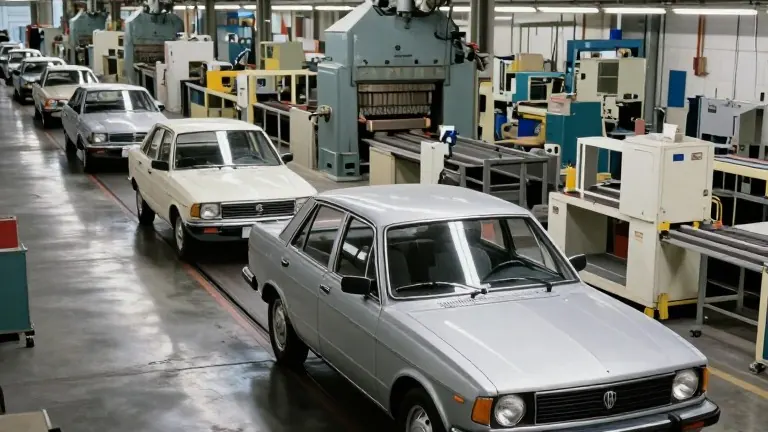
The automotive map of the United States shifted permanently 44 years ago this month when foreign manufacturers began building vehicles on American soil. That change started in the small city of Marysville, Ohio, where a new factory opened its doors to a changing industry.
On November 1, 1982, the first Japanese car produced in the United States rolled off the assembly line at a Honda manufacturing plant in Marysville. The facility represented a major step for the company, which had previously imported its vehicles from Japan. This event marked the first time a major Japanese automaker established a full production presence in the country.
The decision to build in Ohio was part of a wider trend in the auto sector during the early 1980s. Foreign brands looked to U.S. factories to meet demand and navigate trade dynamics. Honda’s move to Marysville placed the company in the heart of the American automotive corridor, a region already known for domestic production.
The timing of the plant’s launch coincided with other major historical events occurring on November 1 throughout the centuries. The date serves as a marker for various turning points in history, from religious ceremonies to military appointments and diplomatic shifts.
In 1512, Pope Julius II inaugurated the ceiling of the Sistine Chapel at the Vatican. The artwork, painted by Michelangelo, depicted biblical stories including the creation of the world and the fall of man. The event marked a high point in the Renaissance, showcasing artistic achievements that still stand in Rome today.
Two centuries later, in 1755, a powerful earthquake struck Lisbon, Portugal. Seismologists estimate the quake had a magnitude of 8.5 or higher. The shaking unleashed a tsunami and raging fires that killed tens of thousands of people. Authorities at the time described it as one of the most destructive earthquakes in European history.
In 1765, the Stamp Act passed by the British Parliament went into effect. The tax prompted stiff resistance from American colonists, adding fuel to the growing tensions that would eventually lead to revolution. The law required a special stamped paper for many printed goods in the colonies.
By 1800, President John Adams and his wife Abigail moved into the unfinished mansion now known as the White House. The home was largely unfurnished when they took up residence. They lived there for less than five months before Thomas Jefferson took office in March 1801.
During the Civil War in 1861, President Abraham Lincoln named Maj. Gen. George B. McClellan as General-in-Chief of the Union armies. McClellan succeeded Lt. Gen. Winfield Scott in the role. The appointment placed McClellan in command of all Union military forces during a critical early phase of the conflict.
In 1989, East Germany reopened its border with Czechoslovakia. The move prompted tens of thousands of refugees to flee to the West. This event set the stage for the opening of the Berlin Wall on November 9, a moment that signaled the end of the Cold War division in Europe.
More Business · Buyer Beware · Report a business · Got a Story?