Chinese Youth Turn to Moss Bricks for Low-Maintenance Companionship
A growing trend sees young adults treating moss-covered bricks as pets to avoid the financial and emotional costs of traditional relationships.
By Giulia Donovan ·
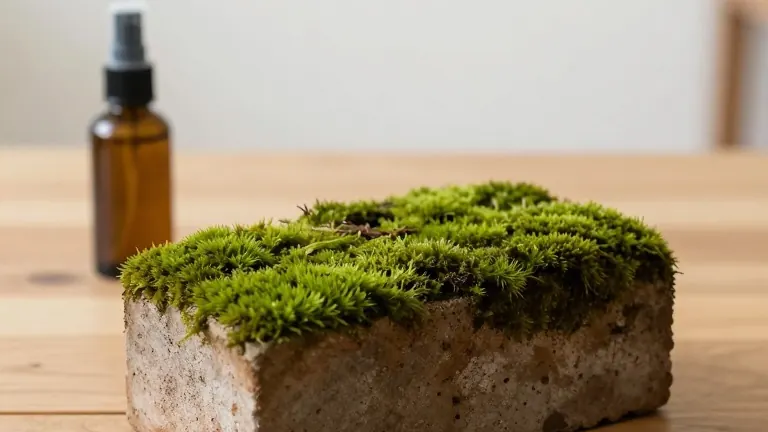
Young adults across China are increasingly adopting moss-covered bricks as a substitute for pets and children, prioritizing low-cost companionship over traditional life milestones. Participants in this movement label themselves as brick parents and refer to their plants as brick babies. The practice offers a tangible sense of purpose without the financial burden or emotional intensity required by other forms of caretaking. One enthusiast noted on social media that with no cats and no dating, they started raising a brick.
The trend gained momentum as economic pressures mounted on the younger generation. Official statistics indicate that nearly one in five people aged 16 to 24, excluding students, are currently unemployed. Some estimates suggest the figure is even higher. Concurrently, China's birthrate dropped to a record low last year, continuing a stubborn decline. Many young people are opting out of intense competitive education and demanding job markets in favor of a low-stress lifestyle often described as lying flat. Brick raising fits this preference because it requires minimal effort and provides a sense of certainty that many find lacking in human relationships.
The hobby is simple to maintain, requiring only a daily spray of water. Owners allow moss spores already present in the air to settle and grow on the surface. Chinese media have described the bricks as practically immortal. If an owner forgets to water the brick, the moss enters a dormant state. When watering resumes, the greenery returns to full health. This resilience makes the hobby attractive to those seeking a manageable routine.
Social media platforms have amplified the trend. A specific hashtag on Weibo has accumulated more than 5 million views. On Xiaohongshu, users share photos of their brick babies and discuss the psychological benefits. One user highlighted the absence of performance metrics, stating there are no KPIs to hit and no need to beg the plant to bloom. Another described the experience as zero-energy emotional companionship. This type of connection meets the need for company without requiring love in return. Friends often ask if the hobbyist has lost their mind, but the common response is that they are simply raising a brick.
Health experts have begun issuing warnings about the practice. Cultivating moss can encourage the spread of mould, leading to physical discomfort for some owners. Reports cite itchy eyes and runny noses as common complaints. Xuedong Li, a retired moss professor at Beijing's Capital Normal University, advised enthusiasts to manage their environment carefully. He recommended keeping the bricks in an enclosed space to limit spore dispersion. Li also urged users to wear disposable gloves and masks during handling to reduce direct skin contact and spore inhalation.
The trend continues to spread among young people who feel disconnected from traditional social expectations. The bricks serve as a tangible anchor in a volatile job market and shifting demographic landscape. The community of brick parents continues to grow as more individuals seek a grounded sense of accomplishment.
More Culture · World news · Report a business · Got a Story?