Casual AI: The music industry's fight for authenticity in 2026
A surge of digital fakes and manufactured stars has forced artists to pivot toward raw, DIY sounds to prove they are real.
By Giulia Donovan ·
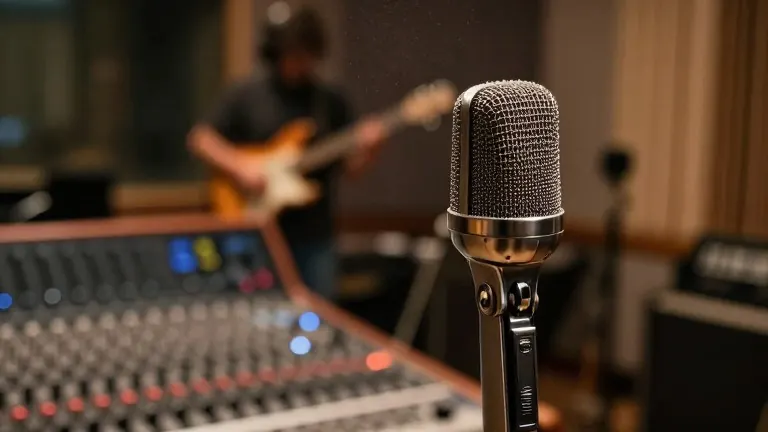
Nearly half a century ago, guitarist Ry Cooder became the first major label artist to record an album using a computerized digital system. His 1979 record, Bop Till You Drop, sparked a debate that defines the music industry today: is the sound real?
That question has become the central conflict of 2026. Mainstream pop is filled with stories of chicanery, from viral successes that turn out to be rigged to faked musical identities. The Rolling Stones recently de-aged themselves in a video, while emerging stars face allegations of plagiarism and nepotism. This constant stream of scams has left fans feeling unable to trust what they hear or buy.
In response, a new wave of artists is turning to raw, confrontational sounds and DIY methodologies. Bands like Twisted Teens and Westside Cowboy are using punky retro garage sounds to stand out. Mandy, Indiana, is utilizing noise rock, while the act underscores employs self-dismantling hyperpop. GENA is offering oozing jazz-funk. These groups are winning acclaim because they are fighting for the soul of music as it drifts toward what listeners call AI slop.
Caspian Hollywell of the New Orleans-based rock band Twisted Teens embodies this shift. In a song titled Is it real?, he sings about the need to believe in the magic of the performance. He tells an interviewer that people can like or hate the band, but they cannot say they are not real. This claim connects to a long history of debates about authenticity that date back to the early 20th century in New Orleans.
Past eras faced similar crises of faith. In 1979, listeners worried that Cooder's digital recording would kill the authentic feel of music, though he later admitted the master tape sounded thin and cold. In the 1990s, choreographer-turned-pop star Paula Abdul faced accusations from session singer Yvette Marine. Marine claimed Abdul and her producers used computers to create a composite voice for the hit Opposites Attract. Marine sued but lost the case.
Critic Simon Reynolds defended Abdul against what he called a campaign for real music. He argued that Abdul was a star devoted to showbiz, using synthesizers and studio tools to create palatable sounds. While he conceded her music was louder than life but lacking in resonance, he stood by the use of technology. This mirrors the current defense of artists who use digital tools to create their work.
Hugh Barker and Yuval Taylor identified three types of authenticity in their 2007 book, Faking It. Representational authenticity asks if an artist actually performed the work. Cultural authenticity requires verifiable ties to specific communities. Personal authenticity questions whether a song is based on the artist's own experience. These rules establish the tests every artist must face as their career progresses.