San Onofre waste removal gains traction as five states explore storage roles
Officials say new state partnerships and rail transport tests could help move 3.6 million pounds of spent fuel out of California within the decade.
By Ana Castro ·
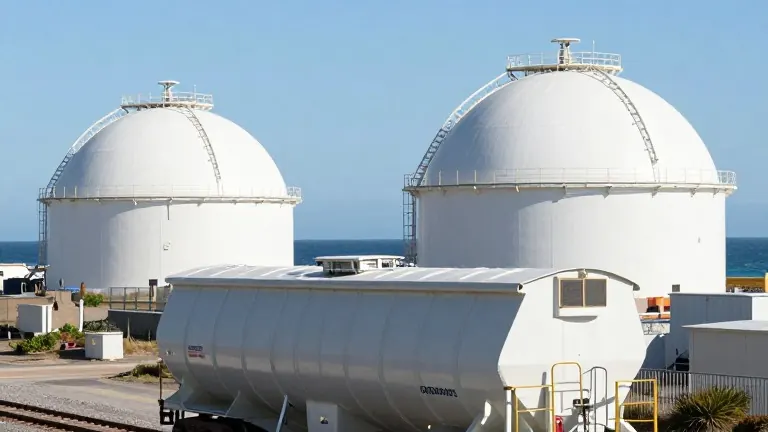
Southern California Energy CEO Steven Powell said there is new momentum behind plans to remove spent nuclear fuel from the San Onofre site in California. The plant currently holds about 3.6 million pounds of spent fuel in dry storage. Powell stated that while the fuel is safe, keeping it at the site is not a long-term solution.
The San Onofre plant shut down permanently in 2013 after a 2012 leak revealed premature tube wear in its steam generators. The facility has been offline for more than a decade. Dismantling work is now 80% complete. The plant's containment domes are scheduled for removal by the end of 2027.
Congressman Mike Levin noted that states are actively seeking ways to manage the waste. He said five states have signed agreements to explore a new concept from the Department of Energy called Nuclear Lifecycle Innovation Campuses. These campuses would combine nuclear research, fuel processing, power generation, and waste disposal. The states involved are Utah, Tennessee, Oklahoma, Louisiana, and Idaho.
Levin said the federal government has not yet fulfilled its 1998 pledge to remove the waste. He estimated that storing spent fuel at nuclear sites costs taxpayers about $3 million per day. He added that states volunteering to help mark a change in the long search for a storage location.
Transportation remains a key part of the plan. A specialized railcar called the Atlas is designed to move spent fuel on existing commercial railway lines. The Atlas is expected to undergo testing in April for a trial run from Virginia to Idaho. If that test succeeds, a canister of spent fuel will travel the same route in the fall.
Powell emphasized that the current dry storage system was built to withstand extreme coastal conditions, including earthquakes and tsunamis. He confirmed the fuel is safe today but stressed the need for a permanent exit strategy. Levin said substantial work remains before the waste physically leaves the site.
If the process moves forward as planned, a train carrying spent nuclear fuel could depart San Onofre by the end of the next decade.
More Business · Buyer Beware · Report a business · Got a Story?