San DA Seeks Mexican Files on Tijuana Factory Pollution
Prosecutors request three years of environmental enforcement data to identify U.S. owners of maquiladoras dumping chemicals into the Tijuana River.
By Gabriela Ivanov ·
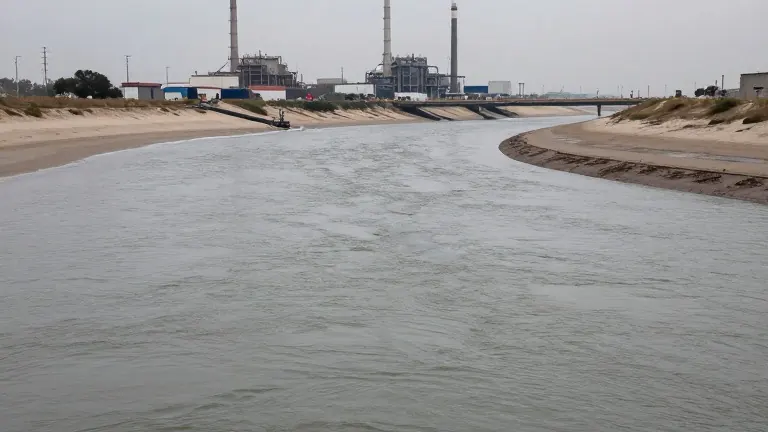
San Diego County residents face potential legal scrutiny of foreign-owned factories after the District Attorney's Office filed a formal request for records from the Mexican government on Thursday. The move targets industrial businesses in Tijuana that may be contributing to cross-border pollution affecting local water supplies and public health.
The request was directed to PROFEPA, Mexico's Federal Attorney for Environmental Protection. The agency functions as the counterpart to the U.S. Environmental Protection Agency. District Attorney Summer Stephan stated that the office aims to gather evidence on industries operating as maquiladoras that hold U.S. financial interests or parent company ties.
The data request covers the period from January 2023 through September 2026. It seeks specific documents including environmental inspections, enforcement actions, sanctions, and citizen complaints. The office also asked for technical findings, administrative proceedings, fines, warnings, and closure records involving potential illegal discharges or hazardous waste handling.
The scope of the investigation includes the Tijuana and Alamar rivers. The request specifically targets records of improper handling of hazardous waste that affects these waterways. This follows a 2025 report from the nonprofit San Diego Coastkeeper titled the 2025 Tijuana River Valley Water Quality Report.
That report identified industrial and chemical pollutants in the river water. Among the detected substances were volatile and semi-volatile compounds, heavy metals, pesticides, PFAs, acetone, phenols, and benzoic acid. The organization concluded that the findings pointed to pollutants originating from Tijuana factories.
The Coastkeeper report noted that these factories either dumped pollutants directly into surface waters or allowed them to enter the sanitary sewer system. It attributed this to inadequate wastewater treatment facilities at the factory level. While billions of gallons of sewage have flowed into the county annually via the Tijuana River, the new data request focuses on industrial chemical loads.
Stephan said in a statement that the office believes environmental violations crossing the border have consequences in San Diego County that cannot be ignored. She compared the legal principle to pursuing jurisdiction over a robbery that began in Mexico but continued into San Diego County. The office intends to use the requested records to identify and gather evidence against companies with U.S. ownership interests.