Cannabis pesticide levels drop, but 376-chemical tests reveal lingering gaps
Analysis of 49 inhalable products shows improved safety, yet unregulated chemicals remain a concern in California's legal market.
By Ana Castro ·
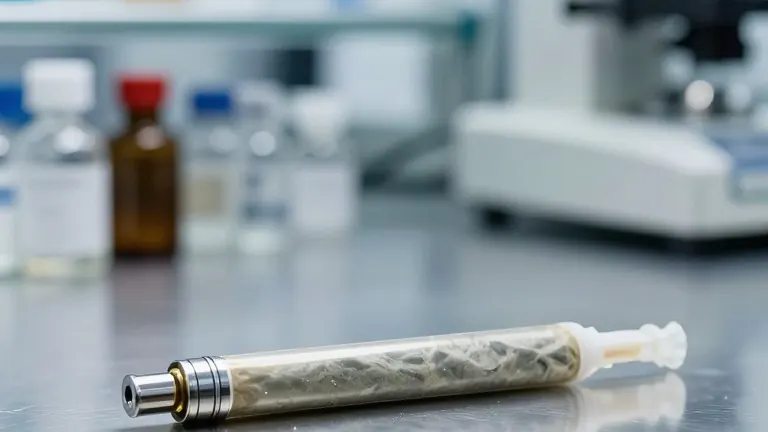
Pesticide levels in California's legal cannabis have decreased compared to 2024, but contamination persists for chemicals that state regulators do not routinely monitor. A new analysis of 49 inhalable products purchased from licensed dispensaries and delivery services across the state reveals a mixed picture of product safety. The investigation was conducted two years after the Los Angeles Times published its initial Dirty Weed series.
Researchers purchased samples from various locations and had them tested at three state-licensed laboratories: Anresco Laboratories, Infinite Chemical Analysis Labs, and Excelbis Labs. To ensure impartiality, product labels were obscured so the labs could conduct blind tests. While the primary focus was on California legal weed, the dataset included exceptions such as vapes packaged for New York sales, unlabeled pre-rolls given as freebies, and one sample purchased in Reno.
The testing protocols varied by laboratory. All three labs screened for the 66 pesticides monitored by the state. Two of the labs performed expanded screening, bringing the total number of pesticides tested to 376. This broader scope allowed for the detection of contaminants that fall outside standard state requirements.
Regulatory standards shifted during the reporting period, complicating compliance assessments. California changed the permitted limits for certain pesticides, meaning some products that exceeded state limits at the time of purchase are now in compliance. For other pesticides, state limits will not take effect until April 2028. The analysis applied those anticipated limits to evaluate current products.
For chemicals without a specific state pesticide limit, the evaluation applied the U.S. Environmental Protection Agency standards for pesticide residue safety testing on tobacco. This method provided a benchmark for assessing the safety of unregulated substances found in the samples. The results indicate that while overall pesticide loads have fallen, the presence of these unlisted chemicals continues to be an issue.
Licensed delivery services sometimes provided mislabeled or unmarked products, adding a layer of complexity to the findings. Items listed more than once in the results were either tested multiple times or analyzed by different labs. The data allows consumers to search for specific brands, including Stiiizy, West Coast Cure, and Cam, to see how their products measure up against these benchmarks.
The findings suggest that while the legal market has improved, it has not yet reached a threshold where all contaminants are fully regulated or eliminated. The reliance on EPA tobacco standards for unlisted pesticides highlights a gap in current state frameworks. This approach ensures that even without specific cannabis regulations, a safety baseline is applied to the most common inhalable products.