Maine air ambulance raises paramedic pay to match nurses
LifeFlight of Maine reports near-full staffing for the first time in nine years, citing new training and pay equity measures.
By Giulia Donovan ·
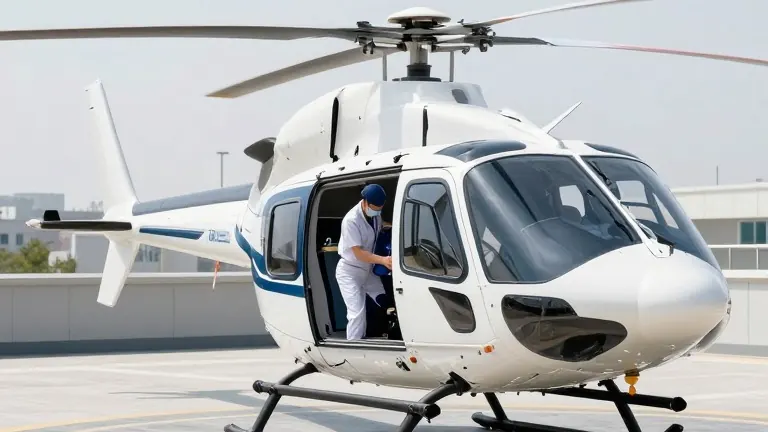
Flight crews in Maine are seeing a sharp rise in demand for air medical transport. LifeFlight of Maine completed 3,031 flights in 2025, averaging more than one mission every three hours. Demand is projected to grow by another 10 percent this year. The surge follows a doubling of requests since 2015, driven by rural hospital closures and gaps in ground ambulance services.
Joe Kellner, the company's CEO, states that LifeFlight is nearly fully staffed for the first time in nine years. To achieve this, the nonprofit has restructured its approach to hiring and retention. A key change involves raising paramedic wages to match those of flight nurses. In the broader industry, paramedics typically earn less than nurses, a disparity Kellner says has made recruitment difficult.
The organization also launched the Critical Care Academy, a six to eight month orientation program. This initiative aims to train new hires in high-acuity scenarios, such as emergency births and resuscitation. Kellner notes that the cost of training a single new employee is approximately $100,000. By investing in long-term staff development, the company hopes to reduce the annual turnover rate that plagues the emergency medical services sector.
Mental health support is another new component of the staffing strategy. LifeFlight hired a full-time mental health counselor to assist clinicians dealing with post-traumatic stress and burnout. Paramedic Brian Merklin, who joined the service after a multi-year break, serves on a peer support team. He describes the counseling as a tangible resource rather than just a policy, noting that previous employers often lacked similar structures.
Nicholas George, who runs the ETHOS Database, confirms that the need for air medical services is increasing year over year nationwide. This trend is partly due to Medicaid cuts estimated at $911 billion over ten years, which threaten the viability of rural hospitals. As ground stations struggle to maintain coverage, air teams are increasingly handling interfacility transports, moving patients from small local hospitals to larger trauma centers.
Mike Abernethy, a retired emergency medicine professor, identifies LifeFlight as a model program for the industry. He argues that independent nonprofits often provide higher quality care than for-profit competitors. LifeFlight’s recent efforts to stabilize its workforce are part of a wider push to maintain air ambulance capacity in states like Maine, where the geography and hospital closures make ground transport challenging.
The next phase of LifeFlight’s strategy involves expanding its mentorship program. This program allows aspiring clinicians to attend training sessions before formally applying for a position. The company recently hired one participant from the previous year's cohort, marking a step toward a more sustainable pipeline of qualified flight medics.