Phaze Secures $8.75 Million From a16z to Unify Human and AI Computer Access
The Utah-based startup aims to turn expensive, idle workstations into shared infrastructure for employees and autonomous software agents.
By Giulia Donovan ·
Phaze announced on Tuesday that it has raised $8.75 million in seed funding. The round was led by a16z, with additional participation from Indie, NextView, Makers, and Lerer Hippeau. The company is headquartered in Utah and focuses on remote computing infrastructure.
The startup provides a high-performance remote desktop that gives both people and AI agents access to powerful computers. For employees in design, 3D modeling, and software development, the tool allows a remote workstation to function with the responsiveness of a local machine. For AI agents, Phaze provides full control of a remote computer, including its graphical interface, without requiring specialized computer-use software on that specific machine.
The founders of Phaze previously built Parsec, a high-performance remote access company that was acquired in 2021. They started Phaze after observing that both humans and AI systems require access to high-end hardware. The company argues that as AI agents become more capable, companies need a way to let these agents operate on machines they control, rather than relying on external cloud resources or local setups that may lack security controls.
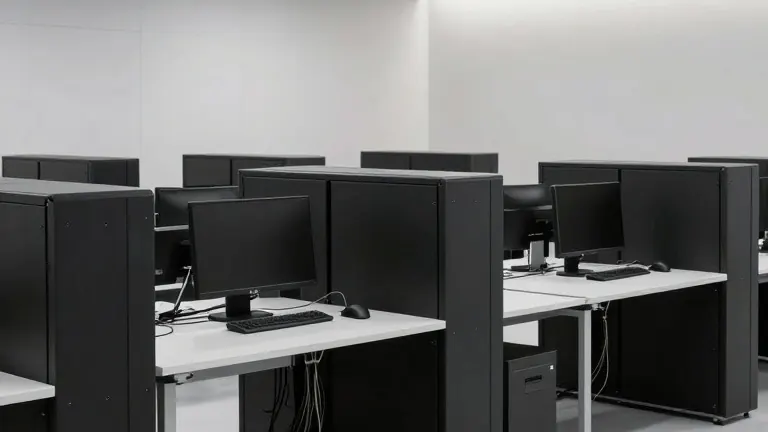
A core feature of the platform is the ability to manage workstations as shared infrastructure. High-end workstations often cost upwards of $10,000 and frequently sit idle when not in active use. Phaze allows IT teams to assign and reassign these machines dynamically based on demand, rather than permanently tying expensive hardware to a single employee's desk. The hardware can be located in a server room, a data center, or on a desk, while users access it remotely.
The company recently released an MCP server that enables computer-use agents to connect to and operate remote computers. This allows an agent to interact with software and perform tasks directly on the machine. Developers can give coding agents access to specific computers to test applications, while IT teams can allow support agents to remotely access employee machines to diagnose and fix issues.
Phaze also supports collaboration between humans and agents within the same remote session. An authorized employee can take control from an agent when assistance is needed and then hand control back to allow the agent to continue working. In one early implementation, the company built an IT support agent that can connect to an employee’s computer, attempt to resolve a problem, and then transfer control to an IT specialist if the issue requires human intervention.
The platform includes centralized access controls, such as enterprise authentication, directory sync, and audit logging. These features allow companies to enforce existing security policies and ensure that AI agents inherit the access permissions of their users. This setup allows agents to work in the background on separate computers without interfering with the user’s active session.
Benjy Boxer, CEO and co-founder of Phaze, said the company is building the access layer that lets either a person or an agent connect to the machine they need. "The computer sitting on your desk shouldn’t determine what compute you can access," Boxer said. "People need powerful workstations to do their jobs, and now AI agents need computers they can actually operate."
Martin Casado, General Partner at a16z, noted that high-end compute is too expensive to remain idle on individual desks. "Phaze is turning those machines into shared infrastructure for people and AI agents," Casado said. "Benjy, Chris, and their team have been building in this space for more than a decade, and they bring that experience to a new era of remote access and machine management."
Phaze will use the new funding to expand its engineering team, accelerate product development, and support customer growth. The company aims to continue developing tools that allow enterprises to manage their hardware more efficiently as the role of AI agents in the workplace expands.
More Business · Buyer Beware · Report a business · Got a Story?