UCLA Coach Cori Close Criticizes WNBA Scheduling and Officiating
Close argues that league planning has failed to keep pace with record viewership and attendance during the current Finals.
By Giulia Donovan ·
UCLA head coach Cori Close used the team’s preseason media day to critique the WNBA’s handling of its championship series. Speaking on Tuesday morning, Close pointed to a scheduling conflict in Game 6 as evidence that the league’s administrative planning is lagging behind its on-court popularity.
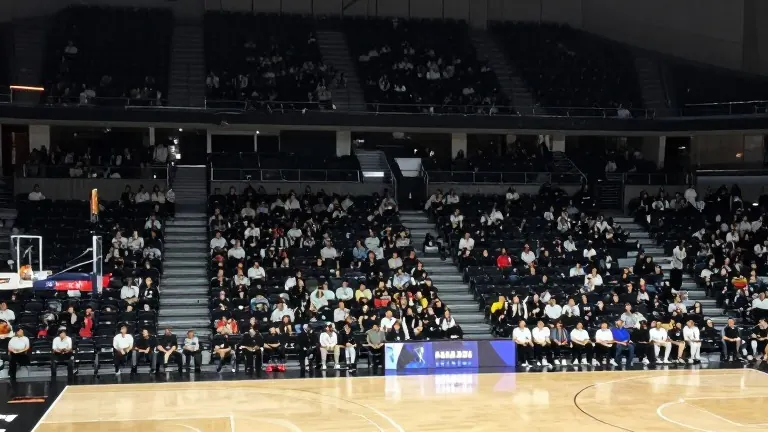
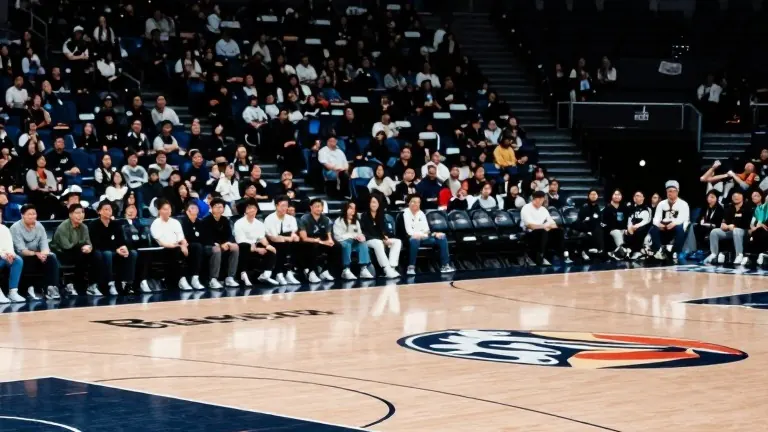
The Golden State Valkyries hold a 3-2 lead over the Atlanta Dream in the best-of-seven series. Game 6 is set for Thursday at 9:30 a.m. PT at State Farm Arena in Atlanta. That arena seats approximately 17,000 fans, but the Dream’s regular season home venue, Gateway Center, holds only about 3,500.
The Thursday matchup clashes with an NBA game featuring the Atlanta Hawks and the Cleveland Cavaliers. The Hawks are in the second game of a back-to-back set, creating a direct competition for local attention. Close noted that this scheduling choice exposed a lack of strategic foresight in the league’s planning process.
“I hope that as the incredible work of the WNBA attendance, corporate sponsorship and viewership continues to soar, that the ownership groups and the planning in advance will match that soar,” Close said. She added that she is not privy to the internal decision-making rooms but believes the league missed an opportunity to capitalize on the current momentum.
The series features two former UCLA players. Golden State coach Natalie Nakase was a walk-on point guard for the Bruins before graduating in 2002. Atlanta guard Jordin Canada, who is averaging 14.9 points and 7.8 assists per game, played under Close from 2014 to 2018. Close described the series as entertaining but noted the early morning slot is not ideal for national television exposure.
Close also addressed officiating, citing frustrations from Dream coach Dean Smesko and star forward Angel Reese following a 64-55 loss in Game 5. Smesko and Reese complained about physical contact that went unpunished. Close argued that the quality of officiating must improve to match the rising level of play and fan engagement.
The WNBA is currently experiencing its most watched season since 2000, with an average of 771,000 viewers per game according to the Sports Business Journal. Close stated that ownership groups and marketing teams need to grow at the same rate as the teams on the floor to fully support the league’s expansion.