Sun Glare and Darkness: How the Clock Change Hits Commuters
Officials warn that the return to standard time on Nov. 1 creates a mix of intense morning sun and earlier evening darkness that increases crash risks for drivers in Southern California.
By Ana Castro ·
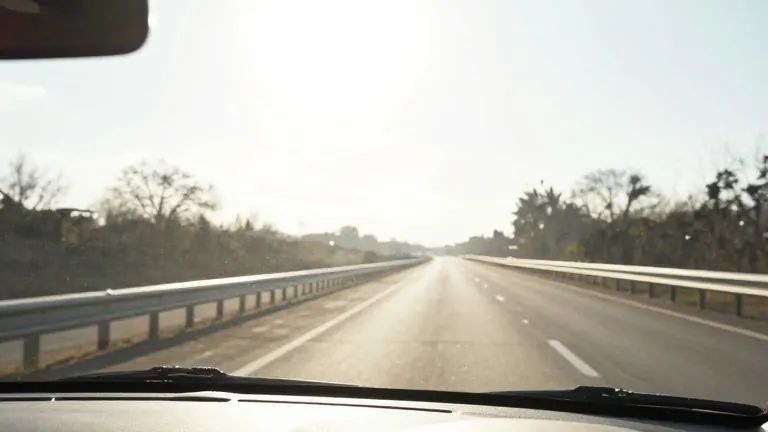
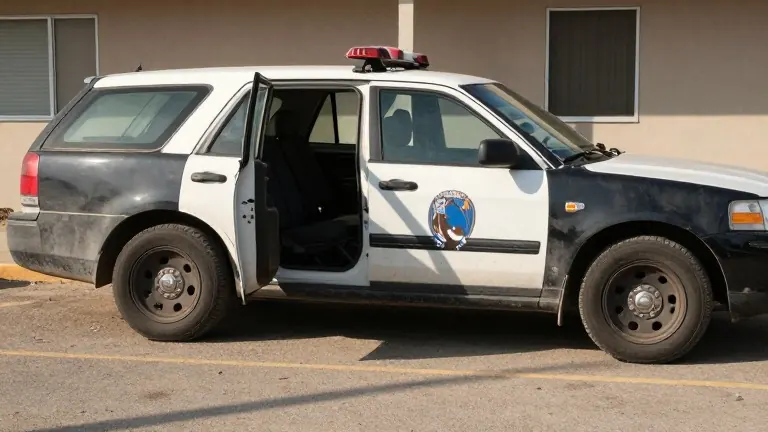
On Nov. 1, clocks fall back one hour, immediately altering the lighting conditions for thousands of daily commuters. California Highway Patrol Officer Andre Ortiz notes that this shift often leads to more crashes during peak travel times, primarily due to the sun’s position.
The change moves the sun’s arc relative to the clock. Drivers traveling east or west face the most glare. Ortiz identifies the 10, 101, and 60 freeways as major routes where this impact is concentrated. He states, "While investigating crashes during those peak commute hours, a lot of drivers do tell me that sunlight played a factor in the crash."
Ortiz advises drivers to mitigate the glare by wearing sunglasses, using visors, and increasing following distance. He also emphasizes vehicle maintenance, warning that smudges on both the inside and outside of a windshield worsen the glare and delay reaction times.
The evening commute faces a different threat. As the sun sets earlier, darkness arrives sooner. Both the CHP and AAA of Southern California report an uptick in drowsy drivers during this period.
Kandace Redd of AAA says drivers must stay alert despite gaining an hour of sleep. She warns that the shift in sleep schedules can make drowsiness more likely. "Get enough sleep and never drive when you're tired," Redd said.
The time change takes effect this coming Sunday. Drivers should expect the brightest glare in the morning and the earliest darkness in the evening, creating a distinct pattern of risk for the week following the switch.