Paper plates become tambourines
A do-it-yourself guide converts single-use disposable plates into musical instruments for children, requiring only basic household supplies.
By Giulia Donovan ·
Disposable plates often accumulate in homes after parties, destined for the trash because they are made of single-use plastic. A new do-it-yourself method repurposes these items into tambourines, providing a musical toy for children without requiring a specialized craft background.
The project relies on standard household waste. Instead of discarding the plastic plates, users wash them and utilize the material already present in the kitchen. The approach emphasizes low-cost creation, allowing families to turn stored items into functional objects rather than purchasing new decorative or musical goods.
The required materials include paper plates, colored ribbon, small jingles, scissors, a hole punch, and stickers. The source notes that these items are typically easy to find, reducing the financial barrier to entry for the activity.
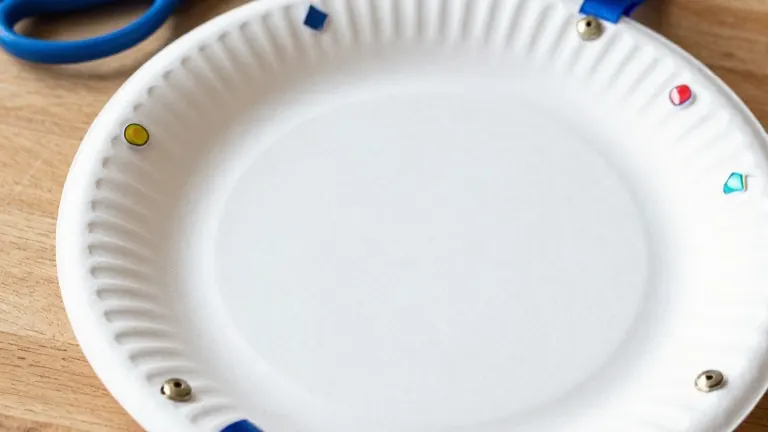
Construction involves five specific steps. First, the maker punches five holes in the plate. Next, a piece of colored ribbon is threaded through a jingle and tied securely in a knot. The ribbon is then threaded through one of the plate holes and knotted on the other side to attach the jingle. This process repeats for all five holes.
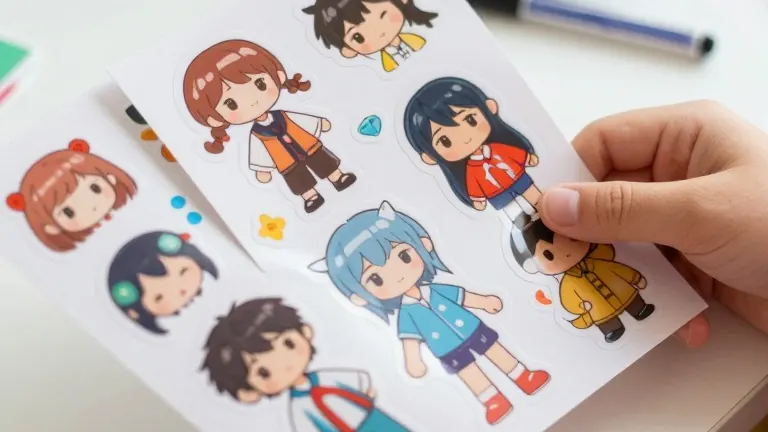
The final stage focuses on decoration. Users apply stickers around the edge of the plate to personalize the instrument. The result is a handheld tambourine that children can use to explore rhythm and sound. The source suggests this activity helps young people develop an interest in music while engaging with recycled materials.
The guide positions the project as a practical alternative to buying new home accessories. By reusing items that would otherwise be thrown away, the method supports a cycle of reuse. The instructions are designed for individuals without prior experience in manual arts, making the process accessible to a wide range of households.