Dolomites Ice Melt: Army Removes 250 World War I Bombs
Retreating glaciers in Trentino have exposed a century of hidden munitions, requiring a specialized military sweep to neutralize the danger for hikers and locals.
By Giulia Donovan ·
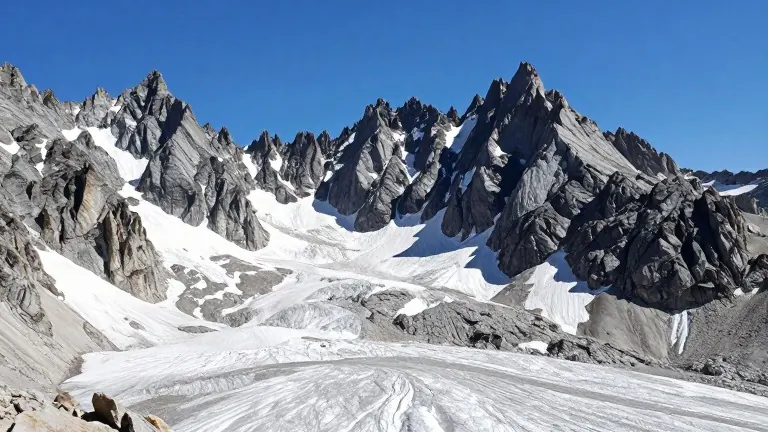
Two hundred fifty unexploded devices from the First World War have been recovered and defused by the Italian army this summer. The explosives emerged from rapidly shrinking glaciers in the Dolomites, exposing hazards that had been frozen in place since the conflict ended in 1918. The military unit responsible for the removal is the Julia Alpine brigade, which confirmed the recovery in a recent statement.
The recovered items include 18 Italian 75mm artillery shells and 37 Thevetot mortar shells. The Thevetot device was manufactured in France but supplied to the Italian royal army during the war. The weapons date back to the period known as the white war, a brutal campaign fought between Austro-Hungarian and Italian troops across high-altitude terrain between 1915 and 1918.
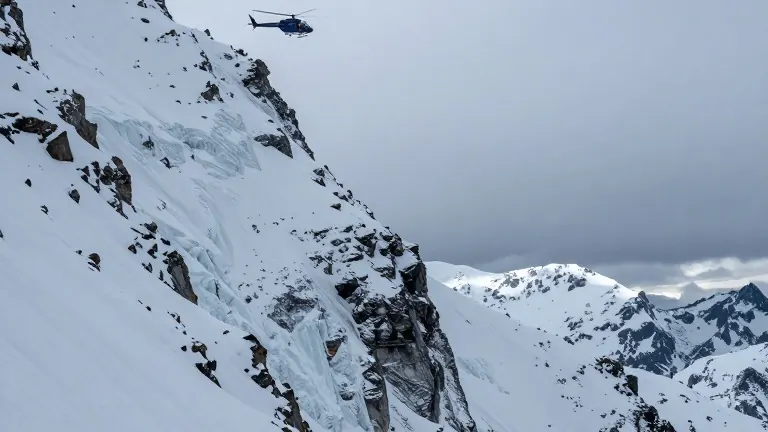
Hikers first reported sightings of the bombs during the summer months. Most reports came from the area of Canal San Bovo in the Primiero Valley in eastern Trentino. Following these reports, soldiers conducted a sweep of high-altitude and glacier locations across the Trentino Alto Adige region to locate and secure the munitions.
Stefano Morosini, a professor at the University of Bergamo and coordinator of heritage projects at Stelvio national park, linked the discovery directly to rising temperatures. He noted that the ice preserved the artifacts for more than a century, but recent heat has accelerated their return. Morosini stated that the number of emerging dangerous artifacts increases at the end of each summer. He warned that while some devices had already exploded over the decades, many remained intact and highly volatile upon re-emergence.
The white war was fought primarily in the Dolomites of Trentino Alto-Adige and the Alps of Lombardy. Global heating began revealing perfectly preserved relics in the 1990s. These finds have included weapons, sledges, letters, and diaries. In 2015, a wooden barracks dug into a cave on Mount Scorluzzo reappeared after the ice sealing it for almost a century melted away. The shelter contained straw beds, clothes, lanterns, newspapers, postcards, coins, and tinned food left behind when soldiers abandoned the site in November 1918.
Access to these high-altitude areas has become increasingly difficult due to intense summer heat. Morosini explained that long heatwaves at high altitude make glacier access more dangerous. In 2022, eleven people died when a large section of the Marmolada glacier broke off. He observed that the speed of glacial retreat offers a clear visual indicator of climate change impact in the region.
Dozens of corpses have also emerged from the melting ice over the past 15 years. Some victims were still wearing their uniforms. In 2017, relatives were able to bury an Italian soldier after identity documents were found with his body on Presena glacier. The white war is estimated to have claimed more than a million lives, with many deaths caused by avalanches, falls, and hypothermia rather than direct combat.
A museum dedicated to the white war is scheduled to open in Bormio in June 2027. The facility will house relics recovered from the glaciers. Military advice for hikers and mountaineers remains straightforward: never touch any explosive device found in the area, regardless of its location, and report any discovery to the police immediately.